It is volume 54 (53 52 51 50 49 48 47 46 45 44 43 42 41 40 39 38 37 36 35 34 33 32 31 30 29 28 27 26 25 24 23 22 21 20 19 18 17 16 15 14 13 12 11 10 9 8 7 6 5 4 3 2 1 0)
This is a part of a raw and uneven journal of discovering the origins of the writing systems,
Λуч Λight Λumiere
Λiquid
Ray
R ~ DΛ?
Rema ~ Dilema забавно, и по смыслу схоже, но нет.
Думал дело похожим словом в латыни названо, но нет. Работа как ДеДо? DеΛо?
Но думал про Res, которая не дело, а вещь. thing. Rah's?
Though two words can be used in the same context with the same thing:
R is for Rah.
h is for hot, heat, hat? head! head is of hat? Because hat wa worn in heat.? Probably, they lived in the south.
Если Re от Rah, то Res подобно слову Тварь, только с Господом они не в отношениях созидания, но в отношениях обладания.
𒆙 is so beautiful and basically geniale that that alone is a proof of the autheticity of the script.
If the ammount itself was not enough to
be clear that it is real.
No meaning seems to be known though.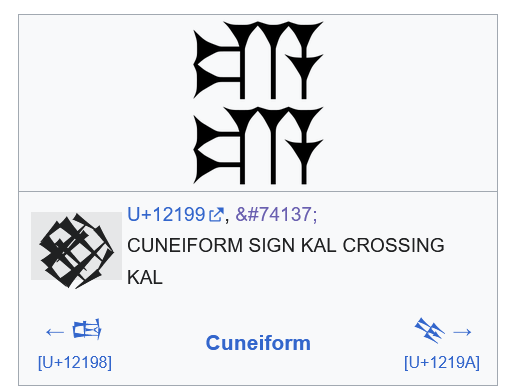
𒆗 over 𒆗 also (other form of the same) 𒄨 over 𒄨
𒆗 and 𒄨 are the same hieroglyph, what does it teach me? that 𐎝 ~ 𐎓𐎂𐎓? Probably not.
buy they sound differently. 𒆗[kal] 𒄨[gurush]
Thinking that broken 𒑰 could be L, solid 𒑰 could be R.
Whateven was before that would be a predecessor of C.
and that ush told me how easy it is to obscure your speech if you added stressed os to each word.
кал would become колосс, or even colossus to
колос изначально означало какашка?
пегас пегий конь? бегий! крылья как символ скорости (как на крыльях. вот это как не от кака ли)(
Ai teaches, we'll see in the future how well were we taught.
𒆗 (KAL)Primary Meanings: Strong, powerful, mighty, or precious.Usage: In Sumerian, it is often read as kalag (to be strong). It was frequently used in royal inscriptions to describe kings, gods, or monumental walls as "mighty."
𒄨 (GURUŠ)Primary Meanings: Young man, able-bodied worker, or warrior.Usage: In Sumerian society, this sign designated a class of adult male laborers or soldiers who formed the backbone of the workforce and the military.
wiki supports that point of view:
(probably because that's where ai took it)
Sumerian
1) 𒆗 • (g̃uruš) young man, able-bodied man, adult male worker
If that is this meaning, 𒆙 is whether
wrestling or gay sex, depending on context.
2) Alternative forms of /kalag/ 𒆗𒆷
(kal-la)𒆗 • (kal, kala, kalag /kalag/)
to be strong, mighty, powerful 𒈗 𒆗𒂵 ― lugal kalag-ga /lugal kalaga/ ― a mighty king
to strengthen, reinforce, mend
to provide for
If that is this meaning, 𒆙 is unite
forces, shake hands.
3) 𒆗 • (lamma /lammar/)
alternative form of 𒀭𒆗 (dlammar /lammar/)𒀭𒆗 • (dlammar,
dlama₂, dlamma /lammar/)
a lammar deity, a lamassu (a female tutelary deity, good genie, guardian spirit, corresponding to the Akkadian lamassum)
Coordinate term: (male counterpart) 𒀭𒆘 (dalad /alad/)
a lammar deity, a lamassu (a female tutelary deity, good genie, guardian spirit, corresponding to the Akkadian lamassum)
Coordinate term: (male counterpart) 𒀭𒆘 (dalad /alad/)
If this meaning of 𒆗 is at play in 𒆙,
then 𒆙 could be whether a double protection, or
struggle of opposing spirits over a man, depending on
context.
4) 𒆗 • (sig₁₅ /siki/) a
kind of bread5) 𒆗 • (sig₁₅ /sig/) alternative form of 𒅊 (sig₇ /sig/)
a)
𒅊 • (agar₄ /agar/) alternative form of 𒀀𒃼 (a-gar₃
/agar/)
c) 𒅊 • (sig₇, se₁₂/si₁₂ /sig/) (reduplicated form 𒅊𒅊 (si₁₂-si₁₂ /sissig/)) to be green, yellow, pale
And I can only wonder if 𒆙 is a synonym of 𒅊𒅊 and if both mean ultra-green
(in Akkadian it is in that c meaning, if it even matters)
6) 𒆗 • (sag₈)
alternative spelling of 𒊷 (sag₉) which has the same meanings in
akkadian𒀀𒃼 • (a-gar₃
/agar/) field, arable land,
irrigation district meadow
b) 𒅊 • (sig₇,
se₁₂/si₁₂) to
pluck hair or wool
to be trimmed, prunedc) 𒅊 • (sig₇, se₁₂/si₁₂ /sig/) (reduplicated form 𒅊𒅊 (si₁₂-si₁₂ /sissig/)) to be green, yellow, pale
And I can only wonder if 𒆙 is a synonym of 𒅊𒅊 and if both mean ultra-green
(in Akkadian it is in that c meaning, if it even matters)
1) 𒊷 •
(g̃ešnimbar) date palm) (alternative
form: 𒄑𒊷 (g̃ešg̃ešnimbar)
2) 𒊷 • (sag₉, sa₆, ša₆ /sag/) to be good, excellent to be beautiful to be pleasing (omen) to be favorable
7) 𒆗 • (sig₁₅)
alternative spelling of 𒅊 (sig₇, “green”)2) 𒊷 • (sag₉, sa₆, ša₆ /sag/) to be good, excellent to be beautiful to be pleasing (omen) to be favorable
(Alternative forms:
𒆗 (sag₈) & 𒅆𒂟 (sig₅, sag₁₀)
and ooh-la-la, that's the 7th meaning is the same as 5th, but I do not dare to edit the wiki page, because I still don't feel competent in this stuff. And then it's not wikipedia, it's from wikitonary, cannot edit that.
Akkadian Orthographic borrowing from Sumerian 𒆗 (kal, kalag /kalag/, “to be strong”).
Logogram 𒆗 • (KAL, KALAG) Sumerogram of danānum (to be strong) Sumerogram of dannum (strong)
[dan, kal, lab/lap, lib₂/lip₂, rib/rip, tan]
Peer review is as if musical critics banned issue of most of albums only because they were not to their taste (as they had it in soviet union, duh, with the inevitable result of dictate of a clerk's petty taste)
In science a clique of such assholes took over and established their agenda of which Fred Hoyle carefully speaks:
the agenda is not persuit of science, but that their children have a teacher's tenure in the industry they took over and monopolized by state they also corrupted to the core.
And the solution is not necessary to holocaust those people, but to issue lustrative acts to anybody who was caught in acts of corruption, to ever be a statesman or to have contracts with the state.
And to solve corruption is in science is very simple:
typo is instead of in was almost missed. Beware of typos.
typos are they from mistypos? which related type and take.
was there o instead of e to emulate a typo in the word itself. as in ашипки.
So, back to the "peers" such a commie term, like what? you?
fortunately, some great guys speak against peer-review more and more, louder and louder:
https://youtu.be/RUB37QhWNkw?t=3820
here is another cool guy speaking about that overall problem:
https://youtu.be/ebqAH5mLZNk?t=92
вуду - состояние омовения в исламе.
Italian alphabet could hold the key to why M is out of the labial column:
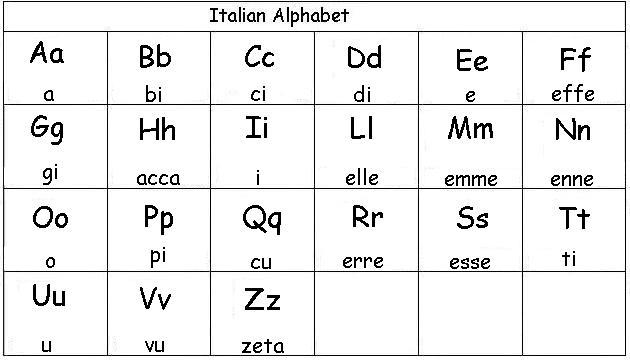
M is famously the central letter, and when they added the two final letters, it had to be moved with them.
A B C D
E F G H
I L M N
O P Q R S T
U V Z
A
B C
D E F
G H I L M
N O P
Q R
S T U V Z
could be B C
D E F
G H I L M
N O P
Q R
S T U V Z
A B C D
E F Z H
I M N L
O P Q R S T V
A
B C
D E F
Z H I M N
L O P
Q R S T
V
and if it was a square?B C
D E F
Z H I M N
L O P
Q R S T
V
A B C D
E F Z H
I M N L
O P Q T
A
B C
D E F
Z H I M N
L O P
Q T
B C
D E F
Z H I M N
L O P
Q T
and it makes me wonder if V was introduced to make the axial symmetry complete and that alone could start a chain reaction of further modifications.
IEAOU by Greatsy
Еврейский шрифт великий алфавит
сегодня он особняком стоит
с арабским вместе названый семитским
лишён он гласных академией глупцов.
То комментарий к Сефер Йецире
смутил учёных оболгав те буквы
которые мы произносим в горле
их гуттуральными за это обозвав.
Монументальна Сефер Йецира
мистической считается, однако
по филологии она древнейший труд
и по себе сама премного труъ
И то что хет меж этих букв стоит
про греческий быть может говорит
что был потерян или может потаённый
источник с коего у нас лишь перевод:
изопсефия шла гематрии вперёд
и хета етой стала потому что "Гласные, которые добавили жрецы Аполлона, чтобы установить соответствие между гласными и струнами божественной лиры, — это, вероятно, те, которые упоминает Деметрий — александрийский философ I в. до н.э. — в своем труде «О стиле»: «А, например, у египтян в гимне, который поют жрецы, прославляя богов, следуют друг за другом семь гласных звуков. И звучание этих гласных в результате создаваемого ими благозвучия воспринимается как звучание флейты или кифары... Но сейчас не время продолжать рассуждение об этом»."
И вот то время славное пришло
ИЕѸА
ΙΕΗΩΟΥΑ
יהעא
в первой версии там было יהעוא, которое
сейчас вижу как ieo&a
ieo&a усиленно typoлась как ieoYa, что любопытно, потому что Y is и,
и потому что форма буквы такова, словно она сводит две нити в одну.
ieo&a усиленно typoлась как ieoYa, что любопытно, потому что Y is и,
и потому что форма буквы такова, словно она сводит две нити в одну.
ет по казахски мясо, и может быть когната слова eat, а такоже еда.
My Heart is not of Gold. It's Meaty.
(Мити, капиш?
(though I never call me that, I'm aware that I'm that
too))
(je'm apelle demon)
It's Me Tea (I wonder if it matters in any other way than as some conceptual poetry)
(je'm apelle demon)
It's Me Tea (I wonder if it matters in any other way than as some conceptual poetry)
Tea and Pee could have common ending
and thus exposing the difference between T & P.
isn't Pee of Poo?
That pairing makes Tea of Too? To? of what?
poo and pie vocally different, both 𓊪
пара пить и писать говорит, что русское п вовсе не еврейское п.
пить ~ мыть
писать ~ мыться
писать = поить собою!!!
пи = вода?
пить = воду делать
писять = воду ссс делать
ссс звукоподражание журчанию мочи,
оно же съ как звукоподражание ссыпающейся крупе,
а как оно стало ся в значении себя?
Так а сыпется-то откуда? Моча-то с кого льётся
ну, как объяснение, окей, но как-то интуитивно пока не щёлкает.
себя.. что такое бя?
оно же в тебя.
by?
тобою = by thou
собою = By self?
by thy?
יהעא ~ ieoa, но выглядят как 1 2 3 4 by the number of
strokes.isn't Pee of Poo?
That pairing makes Tea of Too? To? of what?
poo and pie vocally different, both 𓊪
пара пить и писать говорит, что русское п вовсе не еврейское п.
пить ~ мыть
писать ~ мыться
писать = поить собою!!!
пи = вода?
пить = воду делать
писять = воду ссс делать
ссс звукоподражание журчанию мочи,
оно же съ как звукоподражание ссыпающейся крупе,
а как оно стало ся в значении себя?
Так а сыпется-то откуда? Моча-то с кого льётся
ну, как объяснение, окей, но как-то интуитивно пока не щёлкает.
себя.. что такое бя?
оно же в тебя.
by?
тобою = by thou
собою = By self?
by thy?
(see how ה and ע look in cursive; see how א looks like X)
(even though cursive א is two strokes. typed א looks as it is of three, so what. X. 𐡀.
𐡉 𐡊 𐡋 𐡌
𐡍 𐡎
𐡄 𐡅 𐡆 𐡇 𐡈
𐡏 𐡐 𐡑 𐡒 𐡓 𐡔 𐡕
𐡀 𐡁 𐡂 𐡃
those 𐡏 and 𐡀 are like V & X
O & A
imagine how excited would I be if it was the other way around: aa is o in dannish, ogham, runes.
But it could be a coincidence. And it is not. What does it tell?
Different traditions? here we go..
Seriously, be rigorous, please.
What rigorous? I am rigorous when I decide what to put into my book.
Here I only play around.
aorta of air? просторна
𐡄 𐡅 𐡆 𐡇 𐡈
𐡏 𐡐 𐡑 𐡒 𐡓 𐡔 𐡕
𐡀 𐡁 𐡂 𐡃
those 𐡏 and 𐡀 are like V & X
O & A
imagine how excited would I be if it was the other way around: aa is o in dannish, ogham, runes.
But it could be a coincidence. And it is not. What does it tell?
Different traditions? here we go..
Seriously, be rigorous, please.
What rigorous? I am rigorous when I decide what to put into my book.
Here I only play around.
aorta of air? просторна
𐡉
𐡊 𐡋 𐡌 𐡍
𐡎 𐡄 𐡅
𐡆 𐡇 𐡈 𐡏 𐡐 𐡑 𐡒
𐡓 𐡔 𐡕 𐡀 𐡁 𐡂 𐡃
𐡓 is basically r
𐡒 is basically q
(both glyphs are to be inverted)
(because the direction of the writing is inverted)
𐡊 𐡋 𐡌 𐡍
𐡎 𐡄 𐡅
𐡆 𐡇 𐡈 𐡏 𐡐 𐡑 𐡒
𐡓 𐡔 𐡕 𐡀 𐡁 𐡂 𐡃
𐡓 is basically r
𐡒 is basically q
(both glyphs are to be inverted)
(because the direction of the writing is inverted)
𐡐 is 𒌋 which is thus f, not p, because it was detected as such in the following dialogue:
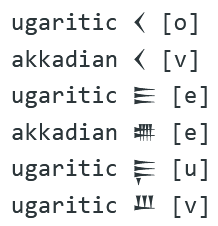
В аккадском и шумерском не было звука /v/, его пришлось бы передавать через /b/ или /w/, как, например, аккадский 𒆍𒀭𒊏𒆠 Bābilim "Вавилон".
Откуда мы это знаем? Прям ни в одном диалекте не было?
Допущение исходя из достижений компаративной филологии и имеющихся знаний о языке. Однозначно на 100% фонетика аккадского не реконструирована.
w как вариант тоже подходит.
Поскольку w занята в позиции вава (следующей за той самой 𐎅), то 𐎜[f] даже более логично предположить.
..но тогда шумерская 𒌋 была бы F, во что мне почему-то очень сложно поверить. В общем, выкладки на тех двух изображениях (на втором изображении и есть та самая KTU 5.14, которая упоминается в первом. Прикладываю его в виде фотографии, чтобы труъ) может какой мегамозг прошаренный за клинопись больше меня подхватит и врубится и доведёт эту мысль до ума.
is 𐡑 lazy 𐡒? ч? ч ~ ᚴ? why do runes have it the other way around, if they are not inverted in the direction of the writing?
צ is definitely inverted Ч:
too my enormous surprise, 𐡕 reminds ᛐ the ᛏ ..and not any other t.
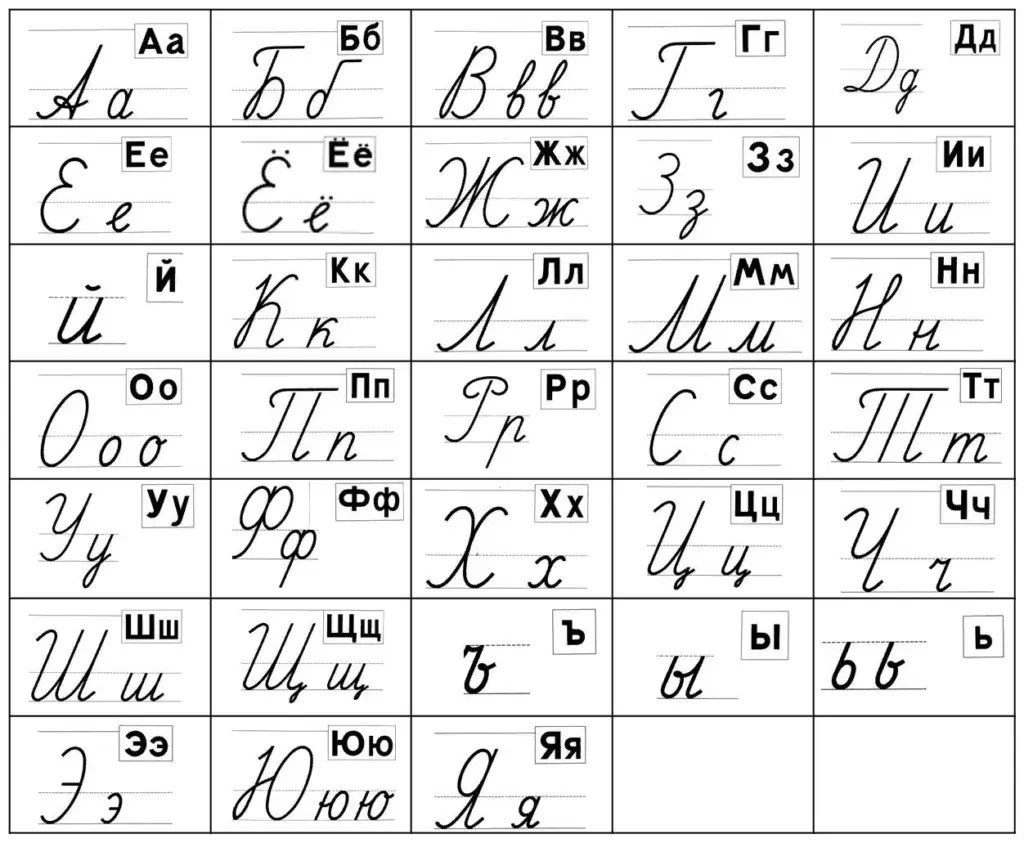
Р и Г выглядят одинаково почти: Р это Г с поджатым глювом, р это г с глубоким ставом ן.
Р выглядит как Ф. Г Р Ф?
У Ц Ч Ш Щ. И ещё. в верхней половине этого нет, забавно, что начинается серия г-дшлу
Х и Э имеют общее начало. и Ж
у Х формы Э и С, как и у Ж. Ж is zigzag. zz. double z is palatalized z, which is ž the Ж.
КНЮ имеют общее начало. Это как иероглифа радикал. KNEW
If cursive is called that because they didn't manage to eradicate it. Wait. They standartized it. If both statements are true, why even dig into it. It gives me ideas, it gave me ideas when I was a kid.
Я говорит, что снизу Я начинается как Э, а поскольку дальше шло нечто похожее на q, но и на ɑ
ɑ более открытое чем а.
е в другую сторону открытое, потому что это улыбка, по
другому рот открыт, не для речи.для еды!
Alaska Canada Detroit E
Ostreich: Poland, Russia.. Turkey? What is S? Snake Island?
England: France Germany Hungary.
I... or is E is for España? It also borders France.
Ingland J K L M N ..Netherlands? J ~ I for Ireland?
Ireland is I!!!
Ireland J K L M Norway
J is for Jsland? Ysland, Ijsland@!
K for Kingdiom?
L for London?
M for Manchester
N for Northfurd or something
and sometimes this line has some S, probably for Scotland.
GB is an United Kingdom, so it unites many shires which were states? Just thinking, looking, finding, thinking of how maps could be... Those are.. Alphabet is a map. It is irregular because we knew South better than North. Russian is was is some noman land.
A is many.. Today it is America, naturally, the absolute alpha.
B is for Belgium? EU is governed from Belgium.
C is for China?
D is for what? Disneyland? Deutschland!
A-line is a global map's maps
(maps placed to the corners of the
global map, in places where ocean alone.)
B is for Britain? why not Belgium? Because Britain is also
a IJK ~ UKIJK London, is it how some Marseille went off the central part of the map? When it was printed in English, not in French.
U V W X Y Z what countries would those be? Did they have to add letters, because they kept on discovering places? But they are of no country.. maybe of Africa? The central part of it was a white spot on the map. In the form of an abecedary those spots would be placed in the bottom of the page. And Africa is geographically the bottom of the european map.
Uganda Venezuella W X Yemen Zambia
there's no countries starting with V,
W, X, Y in Africa today: Algeria, Angola, Benin, Botswana,
Burkina Faso, Burundi, Cabo Verde, Cameroon, Central
African Republic, Chad, Comoros, Democratic Republic
of the Congo, Djibouti, Egypt, Equatorial Guinea,
Eritrea, Eswatini, Ethiopia, Gabon, Gambia, Ghana,
Guinea, Guinea-Bissau, Ivory Coast, Kenya, Lesotho,
Liberia, Libya, Madagascar, Malawi, Mali,
Mauritania, Mauritius, Morocco, Mozambique, Namibia,
Niger, Nigeria, Republic of the Congo, Rwanda, Sao
Tome and Principe, Senegal, Seychelles, Sierra
Leone, Somalia, South Africa, South Sudan, Sudan,
Tanzania, Togo, Tunisia, Uganda, Zambia,
Zimbabwe.
There were in the past: Abyssinia, Adal, Agisymba, Aksum, Alodia, Almoravid, Almohad, Angola, Angoche, Ashanti, Aussa, Ajuuraan, Baguirmi, Bambara, Bamum, Baol, Barotseland, Barsalo, Basutoland, Bechuanaland, Benin, Bilad al-Sudan, Bornu, Buganda, Bunyoro, Burundi, Carthage, Cayor, Chokwe, Dahomey, D'mt, Darfur, Denanke, Dendi, Dar al-Kuti, Egypt, Elmet, Fatimid, Futa Jallon, Futa Toro, Gaoga, Gaza, Ghana, Gobir, Gold Coast, Gyaaman, Ifat, Ife, Ifriqiya, Imerina, Isaaq, Jolof, Kaabu, Kaffa, Kakongo, Kanem, Kasanje, Katsina, Kwararafa, Kemet, Khasso, Kilwa, Kongo, Kong, Koya, Kuba, Kush, Luba, Lunda, Mauretania, Makuria, Mali, Mankessim, Maravi, Massina, Matamba, Mauritania, Mombasa, Monomotapa, Mossi, Mutapa, Ndongo, Ngoyo, Nubia, Numidia, Nri, Nupe, Nyasaland, Oyo, Pate, Ptolemaic, Punt, Rwanda, Saloum, Sanwi, Segou, Sennar, Sine, Sofala, Sokoto, Songhai, Swaziland, Tlemcen, Takrur, Timbuktu, Tripoli, Tunis, Tu'i, Upper Volta, Wadai, Walata, Walo, Warsangali, Wassoulou, Winka, Wogodogo, Yao, Yeke, Oyo, Zanzibar, Zaria, Zimbabwe, Zoulou.
Only X is missing, but I know Xhosa:
> Can you the same way list the largest tribes of Africa, starting with the largest.
Hausa, Yoruba, Oromo, Amazigh, Igbo, Fulani, Amhara, Somali, Akan, Luba, Shona, Zulu, Hutu, Chewa, Mongo, Mossi, Kikuyu, Kanuri, Xhosa, Somali, Luo, Kalenjin, Luhya, Sukuma, Nupe, Songhai, Mandinka, Tuareg, Tswana, Sotho, Tigray, Wolof, Mende, Temne, Ewe, Ga, Fon, Bambara, Dogon, Dinka, Nuer, Baganda, Banyankole, Bakongo, Ovimbundu, Mbundu, Chokwe, Makua, Tsonga, Ndebele, Swazi, Venda, Maasai, Samburu, Turkana, Afar, Beja, Nubian, Tuareg, Sahrawi, Bedouin.
Xh in Xhosa is some african click, X is a good graph for an unknown sign.
America
Britain M is for Mexico.
Canada Columbia
D? gonDuras?
Europe
France
England
France
Germany
Hungary
IJsland
Kingdom?
London Luxemburg
Madrid Moscow Monaco
New YORK
Orlean
Paris
Austria deserves to be the first for A E I O U
England
Ireland Moscow we russians are something.. not cool, Ireland doesn' make sense either
O? Paris mixing countries and cities is lame too.
U Vienne? Venice! Wien X? Y? Z?
M is the central letter. It is such a hit, how could we lose the plot?
iy is not only in my mind, it's objcectively central letter, in myth and in italian.
Let's not make it about politics, JK part alone tells that even b... but believers could know, they could do it intentionally, the way they carved crosses on the faces of statues.
Berlin
Амстердам Берлин Вена Г Д
Амстердам Берлин Варшава Гомель Домодедово Ереван
Амстердам Берлин Варшава Гулаг.. жесть сучара, не мори
Alice Boris Gean David
Alice Bobby Cathie Dave
Ann (anna is a word for god in sumerian region)
Bog is a russian word, but is there a name that would stand for god?
Богдан?
Godfrey?
Allah starts with A probably of that reason. Not Abe, Allah
Allah Бог God Deus
Allah stands separated, while Б-G G-D D-Evs
A
Б-G-D
D-E-V-Ѕ
A
БоГGoD
D-E-V-Ѕ
IL oHi M
PaTeR
Que
im himmel
it is as if a poem
I write for quite some time
and, to my fair surprise,
I make some progress in this hopeless adventure.
not as hopeless now.
The culture is so imense, naturally I will find a way.
aMeN
O PaTeR SainT
wait, it's PoQeR, SeTh
PiQueR
PooQueeR?
SaT is of SaTan?
14 and 15 they must be..
a b c d e f g h i j k l m n o p q r s t
1 2 3 4 5 6 7 8 9 10 11 12 13 14 15..
nope, those are M N
m n
look like т п in cursive or italic: т п
were П Т another way to depict n L?
this is how thought wonders
sometimse it finds
iets
also 14 and 15 are literally NO
this rant is rather incoherent,
but it just rolls over the topics in a queer manner of a rolling sausage,
who knows if it sticks the mental map across some unexpected realms
People may conceal their sinfulness
with a showoff piety:Б-G-D
D-E-V-Ѕ
A
БоГGoD
D-E-V-Ѕ
IL oHi M
PaTeR
Que
im himmel
it is as if a poem
I write for quite some time
and, to my fair surprise,
I make some progress in this hopeless adventure.
not as hopeless now.
The culture is so imense, naturally I will find a way.
aMeN
O PaTeR SainT
wait, it's PoQeR, SeTh
PiQueR
PooQueeR?
SaT is of SaTan?
14 and 15 they must be..
a b c d e f g h i j k l m n o p q r s t
1 2 3 4 5 6 7 8 9 10 11 12 13 14 15..
nope, those are M N
m n
look like т п in cursive or italic: т п
were П Т another way to depict n L?
this is how thought wonders
sometimse it finds
iets
iets is dutch for something, it
sounds just as it's does. its.
also 14 and 15 are literally NO
this rant is rather incoherent,
but it just rolls over the topics in a queer manner of a rolling sausage,
who knows if it sticks the mental map across some unexpected realms
Priests listen to the confessions to know whom to fuck. and who to fuck with.
depends ~ deep ends
Что если ластики не стирают до конца, потому что их такими изобрели, чтоб сохранялись палимпсесты нового времени.
Но что там может быть такого важного написанного карандашом? Кто знает, какой-то секрет запросто может быть.
Learn languages in phrases, that's how you learn. Know every word in them, know them in context.
But me myself I know oyasumi, as a long word, I know the context, but not every word.
Японское приветствие «Оясуми» (Спокойной ночи) раскладывается следующим образом:
Кана (хирагана): おやすみ
Кандзи (иероглифы): お休み
お[o] уважительная приставка, типа o!, awe, big: 大[おお] + きい [кий] (о какой!)
休[やす(ясу)] + み[ми] значит отдых
休[やす(ясу)] + む[му] значит отдыхать
окончание "и" словно добавляет "ing"овое окончание.
休日 ~ holiday, day off.
Но это произносится так, что и не угадаешь что то же самое: きゅうじつ [кю́: джи́цу]
ясу и кю.. японский это два языка, впихнутых в один.
Остроной стат.. Острок.. Островной статус даёт японии, как и великобритании, подобный прикол
Просто у великобритании не иероглифическое письмо, not logographic.
фонографическое письмо, термин объединяющий фонетическое и слоговое.
phonographic unites phonetic and syllabic.
В те стародавние времена, когда abc были все буквы, которые у нас были,
пить и вода были одним словом (п ~ ф ~ в ~ w ~ м)
пить и мыть были одним словом
пей русское и пей еврейское были одним словом, ибо губные буквы символизировали воду.
брейся ~ прибирайся ~ сбрей ~ собери (cъ (себя) (у)бери)
ИЕѸА ΙΕΗΩΟΥΑ יהעא
this thrice written name shows how U is Y which is i
and it reads его я (but way more likely than not it doesn't mean anything)
Атцы ~ Ancestors voorouders (voor ~ before, ouders old folks, parents (oudNL = oldGB))
Дети ~ Descendants nakomelingen (en is plural suffix, -ling is -ing)
NL & GB sorta spell alphabet backwards: G used to be instead of C (C used to sound like G, so they say, I didn't verify it)
дали задание для журнала в журнальном стиле написать, стихи никому не интересны, непонятные, и вообще
Я изучаю язык тридцать лет, но лишь недавно узнал про Майкла Вентриса.
Человек расшифровал древнейший греческий шрифт, доалфавитный, а я про него и не слыхивал.
Читал про него, и прочёл что Соломон Лурье сразу врубился в открытие Вентриса, а я знал Соломона Лурье с детства по его книге Демокрит.
И увидел что Соломон Лурье печатался в Еврейская Старина.
И такой, о, точно, кто-то не только иврит знает, но и самой стариной его интересуется, им может быть интересно чего я там раскопал.
А как я вообще на этой территории ноосферы оказался? Я изучал алфавит, после того как случайно обнаружил в нём несколько закономерностей, и там целая теория, оставленная на всеобщее обозрение для будущих поколений гибридов человека и ии.
И открыл для себя Сефер Йецира, в которой обнаружил самый древний слой алфавита, открытый на других примерах, но впервые увиденный с такой ясностью: אמש, [АМS или АМŠ]
א[a], מ[м] ש[s/š]
Похожая формула у слова правда, אמת, ключевое в легенде о големе. amt, родственно слову аmen.
Похожая формула само название алфавита, ABC, всегда было на самом видном месте.
В древнегреческом мифе описывается следующий этап развития алфавита: гласные, Б и Т,
но почему в половине этих мемов М, а в половине Б? почему в половине С, а в половине Т:?
:? is a mighty typoe: it looks like a questioning : )
and like ?
ingraned within . . . squashed into the
space.
и тут я такой узнаю, что א не гласная, и я такой что? почему? и долгое время был в недоумении, но кажется нашёл источник этого заблуждения:
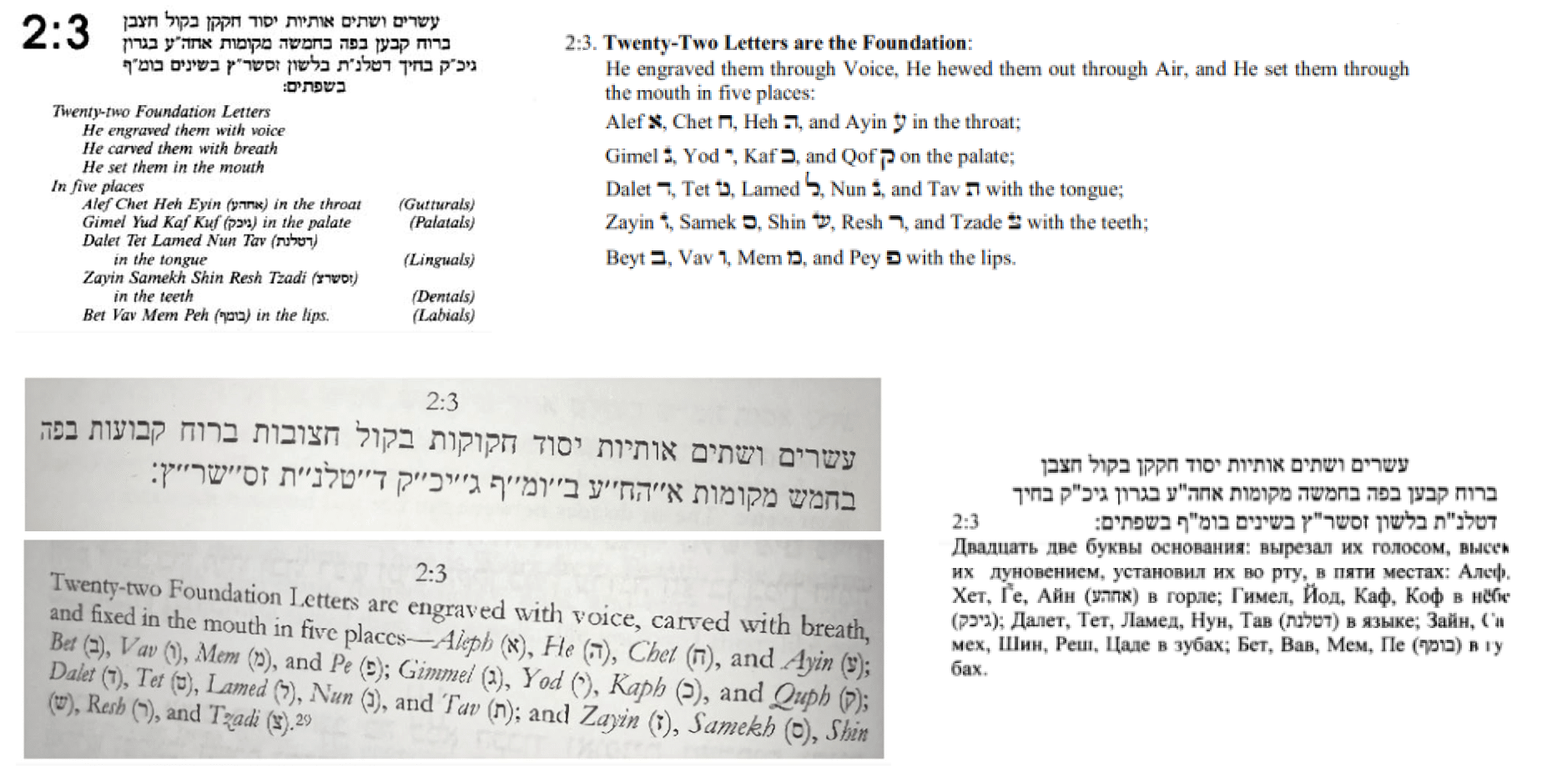
В левом ниженм углу самая точная, самая ранняя, самая мною котируемая версия, короткая.
Над ней может быть источник (хотя может быть лишь соучастником) этого заблуждения: ни в одном тексте на иврите этих дополнений в скобках нет. Гласные тоже произносятся в горле (голосовые связки распологаются в центре гортани)
То, что среди букв, которым при сравнении алфавитов соответствуют гласные, затесался Chet (ח[h]), свидетельствует о том, что это перевод с греческого: в греческом Η сегодня гласная, и когда на русь (rusLT деревня (новгородская русь ~ новгородская область ~ новгородская деревня (когда у слов совпадает и фонетика и семантика, они когнаты, этимологические или нет изучающему языки без особой разницы, и даже если бы консенсус подтвердил это не делало бы какой-то особенной разницы: они ошибаются постоянно, и чаще всего неизвестно в чём именно, но если известно то удачи, понадобится)))
о, я отвлёкся, когда на русь завезли кириллицу, вместо И писали Η. Следовательно и десять веков назад в греческом Η была гласной.
А самое древнее дошедшее до нас издание книги Сефер Йецира датируется 395 годом до первого искусственного спутника Земли, 388BP:
464 года всего прошло меж моментом написания этих строк и тех. Что не говорит о древности некоторых элементов, которые как драгоценные камни в текст Сефер Йецира вошли, но в Греции Η произносили как И.
и когда самая старая из дошедших до нас книг Сефер Йецира была издана (464 года назад) тоже была гласной, в русский Η пришла с кириллицей гораздо раньше, и там уже Η использовалась исключительно как И, в которую со временем и превратилась.
Другое объяснение может быть таким, что ח звучало как и, а י звучало как й.
Может мне как Вентрису не хватает Чедвика, кто бы знал древний язык лучше чем я (я иврит знаю хуже чем Вентрис знал древне-греческий) и может для этого я об этом и рассказал.
Да, слова эме́т (אֱמֶת) и ами́нь (אָמֵן) — это родственные слова, так как в иврите и других семитских языках они восходят к одному и тому же трехбуквенному прасемитскому корню א-מ-נ (Алеф — Мем — Нун).Оба этих слова объединены общей логикой и глубинным смыслом корня, который означает «быть твердым, надежным, верным и заслуживающим доверия».
от чего у меня вопрос а в камень корень то же амень? ии говорит нет, но лишь потому что консенсус говорит нет.
лучше меня
лучше чем я
меня ~ чем я? many ~ чем?
что и чего кажутся синонимами, но один про то, второй про его (неодушевл. и одушевл)
но немного подумал, и решил что лучше перейти сразу к делу, без прелюдий:
Распространённое (и принятое академическим консенсусом) мнение о том, что иврит является консонантным письмом может происходить из вольности переводчика:
Нигде в еврейском тексте группа произносящаяся в горле гуттуральными не названа.
Это гласные: голосовые связки находятся в центре гортани.
При сравнении иврита с другими алфавитами, видно, что три из четырёх букв "in the throat" соответствуют гласным. А если с греческим сравнивать, то все четыре. Может быть, что это перевод с греческого? Изопсефия предшествует гематрии (так общепризнанно академическим консенсусом) и по крайней мере со времён Александра Македонского, если не раньше, этот регион находился под сильным влиянием греческой культуры. Но тогда в греческом Ι было лишь й, чего я сказать не могу, потому что греческого не знаю, да и иврит знаю хуже чем Вентрис знал древне-греческий.
Другим объяснением было бы допущение что "Chet" действительно был гласным (или глухим гласным? открытым выдохом? Потому что наше х произносится "на нёбе", спинкой языка, как и к, осознание чего меня удивило, всегда казалось что где-то в горле, словно кашель, подобно тому как назавние буквы каф похоже на английское cough. В общем, в это объяснение я не верю, но людям по-настоящему знающим иврит эта часть точно видней. Чедвик, ты там?
В общем, нашёл видимо издателя, здесь лишь наброски, third time is a charm, so:
АлфаВиТ
Как-то Майкл Вентрис выступил на BBC, по всей видимости в специализированной передаче, где рассказал о том, что раcшифровал Линейное письмо Б, что на нём написан древнегреческий (что противоречило принятому тогда академическому консенсусу) и посетовал, что сам древне-греческий знает недостаточно, мол нужны помощники. На самом деле ему нужен был кто-то, кто сможет оформить открытие как положено и пропихнуть его в поле зрения академических учёных, они посторонних не жалуют, у них закрытый клуб.
Примерно такой же клич я хочу кинуть среди тех, кто знает древний иврит. d@aeiou.nu
Распространённое (и принятое академическим консенсусом) мнение о том, что иврит является консонантным письмом, может происходить из ошибки переводчика:
На следующем изображении показан один и тот же отрывок из Сефер Йецира, из четырёх разных изданий:
Ошибка переводчика, о которой идёт речь, на изображении слева вверху: (Gutturals) это отсебятина.
Нигде в еврейском тексте группа произносящаяся "в горле" гуттуральными не названа.
Это гласные: голосовые связки находятся в центре гортани. Поэтому, если в самом тексте на иврите даётся определение группы букв, то про них справедливо говорится, что они в горле.
При сравнении иврита с другими алфавитами, видно, что три из четырёх букв, которые "в горле", соответствуют гласным. А если с греческим сравнивать, то все четыре. Может быть, что это перевод с греческого? Изопсефия предшествует гематрии (так общепризнанно академическим консенсусом) и, по крайней мере со времён Александра Македонского, если не раньше, этот регион находился под сильным влиянием греческой культуры. Но тогда в греческом ι было лишь й, чего я сказать не могу, потому что греческого не знаю, да и иврит знаю хуже чем Вентрис знал древне-греческий.
Идиш использует тот же самый алфавит, и в нём Айн/Ayin/Eyin (ע) гласная, Йод/Yud/Yod (י) гласная, Алеф/Alef/Aleph(א) гласная, Ге/He/Heh (ה) отчего-то нет, хотя она стоит в алфавите там, где в остальных алфавитах находится Е, и сейчас будет погружение ещё глубже в историю письменности: похожая на букву Е угаритское 𐎅, стоящее на том же месте, но академически транслитерируемая как h (видимо, вслед за Ге/He/Heh (ה)) в клинописной таблице KTU 5.14, на которой знакам угаритского письма сопоставлены знаки аккадской письменности, так вот там угаритской букве 𐎅 сопоставленна аккадская гласная 𒌑, которая академически транслитерируется как ú, которая гораздо ближе к е, чем к h.
Петрус Альфонси (урождённый Моисей Сефарди / Моше ха-Сфарди) в 11-12 веках транслитерировал ה при помощи буквы е.
Самая древняя версия книги Сефер Йецира, что дошла до нас, датируется 16 веком.
Когда именно появился комментарий из умного слова "гуттуральные" пока неизвестно.
Глсн лшн, это понятно, но даже српскохрватски алфавит это алфавит, а не консонантное письмо.
Дни, что занимаюсь переписыванием этого послания человечеству (сначала решил в виде стиха изобразить, вообще охуели) в общем, словно перешёл на другой уровень of the output, on that level imput stops. Now I have to kickstart it, but I think of other people. Stop. Think of me.
Why is it input and not imput? Because it is not japanese. Wait, imflammable is with that in changed by f.. not p... implosiion.
But input. I don't know.
Maybe because in is the main part of the word. put is an abstraction, maybe the put was him dancing. Like the opposite of putting down.
putting in.
put ~ путы? связал-положил? путы put down.
Умная голова дураку досталась: я по-жизни экстраверт, но когда подросткового возраста гормоны хлынули, мы были не готовы. Я зааутировал и начал получать пизды, от чего общаться с пацанами желания становилось ещё меньше, и видимо демона призвал, хорошим оказался. Сразу многое понял, с гопниками проблемы тоже сошли на нет. Но стоит забухнуть . . .
Но хорошая голова же. И дурак вроде слушается. Он понимает.
Иногда здесь пиздец, и сейчас я пишу словно шизик, а это образность речи дошла до сваго апогэя
Акула
Баран Бык Бобр
Варан Волк Вол
Гусь Гагара
Дятел
Енот Ёж (because Й has no beast to it, Е & Ё are also the same letter)
Заяц
Иволга
Й ...and I googled: Йодотрофеус, Йора, Йоркширский терьер, Йеменские хамелеон, Йеменская синичья славка
Конь Кот Коза Корова (ко стало словом casa? castle? Cave/~! C is for cave.
Лошадь (пара коньлошадь напоминает пару bullcow) Лиса Лось
Мул
Налим (нун рыба и в иврите (что там и? птички поют и))
Окунь Олень
Плотва Пёс
Рысь
Сурок Собака
Тигр
Удод
Филин
Хорёк Хамелеон
Цапля
Чайка
Шавка? Шакал
Щука
Ъ Ы Ь
Эму
Юрок (он же Вьюрок)
Як
сербский выдал: тигањ (гибрид н & ь (выглядит совершенно бешено))
в латинской классификации, шимпанзе названа Pan
g.t. говорит, что pan на латыни значит хлеб (panis)
Немецкий натуралист Лоренц Окен в 1816 году решил назвать род шимпанзе в честь Пана — древнегреческого бога дикой природы, лесов, полей и покровителя пастухов. У него была наполовину человеческая, наполовину козлиная внешность (рога, копыта), и он олицетворял дикую, необузданную первобытную жизнь
I wonder if buck and fuck are cognates.
теперь ~ с тех пор
те перь ~ те поры?
переть ~ пёр
бобр ~ бобёр (к слову о консонантности алфавитов)
Beauty is is the vowels + B + T
A B H T I Y ?
A B ? H T I Y
These letters may spell out BHAYTI the BEAUTY
h ~ ь
бью is the lowest point. ty is the highest, in the sense of their vowels, and this ty could be thee, ты,
and that would bake make beau not бью, but беру.
Beauty = Беру Тебя. Бью Тебя? Бью как в шахматах, крою как в картах и не только.
Баю Тя
ТеБя ТIHBYA
What if ABHTIY are three vowels and three consonants:
A I Y are all vowels Y is not even V, not to confuse it, in greek Y is at the U-spot.
B H T (labial, velar, coronal)
B is always voiced, T is always voiceless. H is both, it even became vowel in Greek. Did they lighted (подсветили) звук h, который они могли считать глупым?
A I U (it makes sense to have these three as vowels: central point, highest point, lowest point)
B H T (all three types of consonants. H could become N in russian or elsewhere, thus depicting sonors. H must be sonors, acccording to the alphabet's structure still registered in
Если же сравнивать с версией Роберта Грейвса, то
A B H I T Y are
A B E I T O U
A B E I O T U
I is in the centre, between B & T (not B & J) as J the H the И!!!!!
ɅbeIəqV
q for t is the qew q weakest point iof this comparison.
was it always b c the b d? is q just a form of d? quaar? daar! similar to who? you!
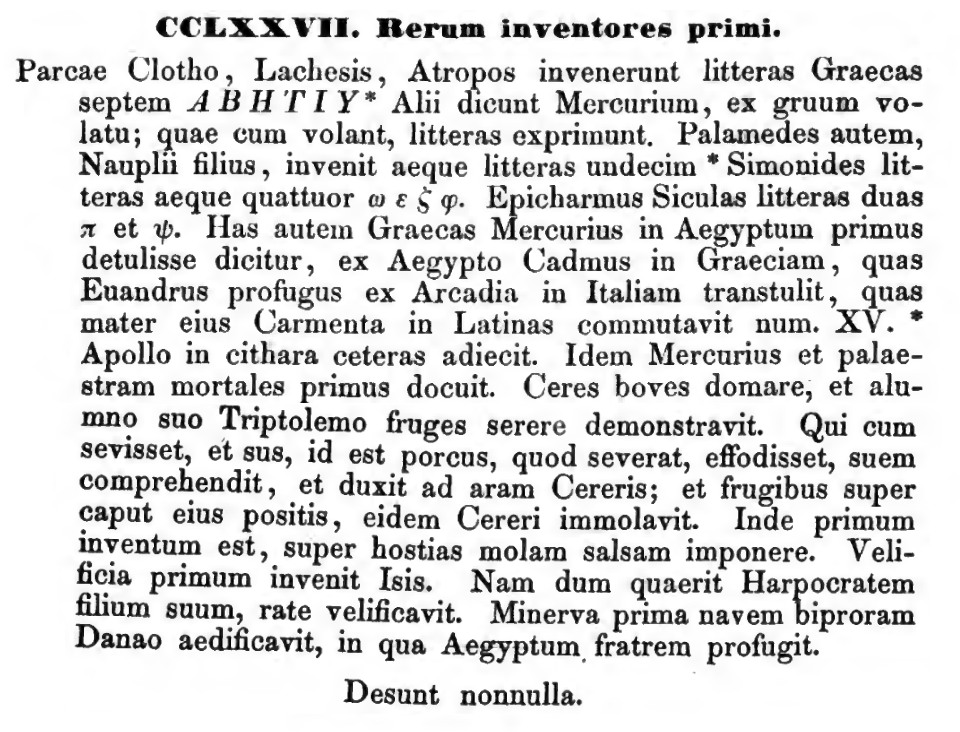
Letters of Simonides are interesting: ε and ζ look like vertical wave, and both are lingual; φ and ω look like horizontal wave, and both are labial. It makes sense, since lips are horizontal line, while tongue is rather vertical, it's position in the central axis matter, literal deviations matter much less if at all. It doesnt' seem to tell who invented ξ, if I had to guess, I'd think on Simonides.
I thought of those waves in the context of C S Σ (but not ш for some reason)
I thought of those.... and in the context of V N M (but not in the context of ш for some reason)
Ш & Ϻ are there as if to disrupt
the idyll
Cadmus appears mid-story. But that maybe tells that Greeks acquired those letters mid-story.
𓃀 [b]
𒁺 [du] this pair naturally makes me wonder if they are the origin of b & d
(only they look the other ways. 𓃀
could look the other, but only when the direction of the
text was reversed in comparison to the texts with
b.
I know even less about cuneiform, I think they're so abstract and so tied to the way they held the styllus, they probably didn't reverse the direction of the text at all. Though I'm not an expert.
I know even less about cuneiform, I think they're so abstract and so tied to the way they held the styllus, they probably didn't reverse the direction of the text at all. Though I'm not an expert.
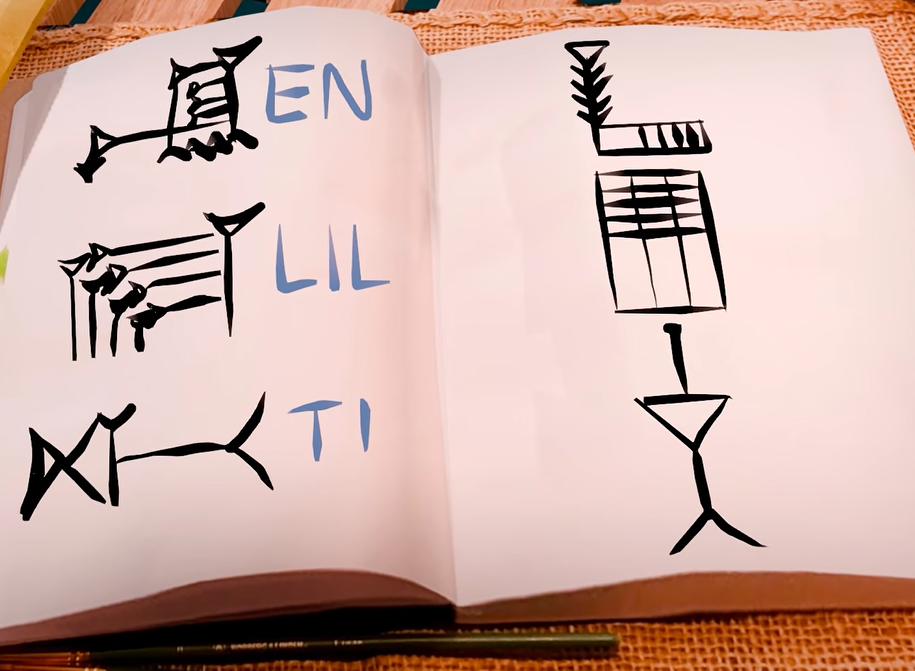
if you follow my work, you probably can guess what I'm thinking at this point:
is that Lil not M for example? the way ΛΛ look? or is it B the way 𒆤 on the right looks.
𒆤 [kid, lil]
𒇸 [lil]
𒉈 [lil, ŠÚ.NE]
𒌍 [lil, ŠÚ.EŠ]
𒆤 • (kid) alternative form of 𒄀𒆤 (gikid /kid/) reed mat
𒆤 • (saḫ) a mat
𒆤 • (lil₂ /lil/) wind, air open air, outdoors, open country nothingness phantom
in the video, to which that image leads 𒆤 is also offered as E, which is nowhere in wiktionary to be seen, so, well, that's how I learn anyway. Little here, little there, little by littly, step by step.
The way 𒁺 looks laying, when why would food be laying like that, long told me that the cuneiform texts should be rotated 90°, that is even more obvious in their glyph for beer, which sounds as.. bi: 𒁉
(ancient pots had sharp bottom, to
stick them into sand, so I was told)
The way it is the way they're on walls is probably a
further modification, as if chinese would decide to rotate
their texts 90° to read them not in columns, but in
horizontal lines.Пусть Патриарх Спит Спокойно ~ Rest In Peace
Peace was a difficult word to write: first came pis than pea and thri.. whatever...
Peace is a weird word. Obviously a cognate of Покой.
And that cognatism shows how far one C can go.
A B C
B is b in ben,
P is sob
V in Вася
and V is also F but I don't know a word in which b sounds like F[f]
ᚠ~ᛓ
ᛓ is ᛒ
F is Fancy, russians didn't even have it.
F is of V, and not all nations went that path in those morphemes.
A can be a, can be э, can be o, cannot be u though, the way B doesnt' go directly to F, but via V, thus A only turns u when o is doubled. o is double a, if doubling labializes..
C goes from G to Ts or S in Caivs Ivlivs Caesar
and here, I built a map of how all the letters could derive from just three:
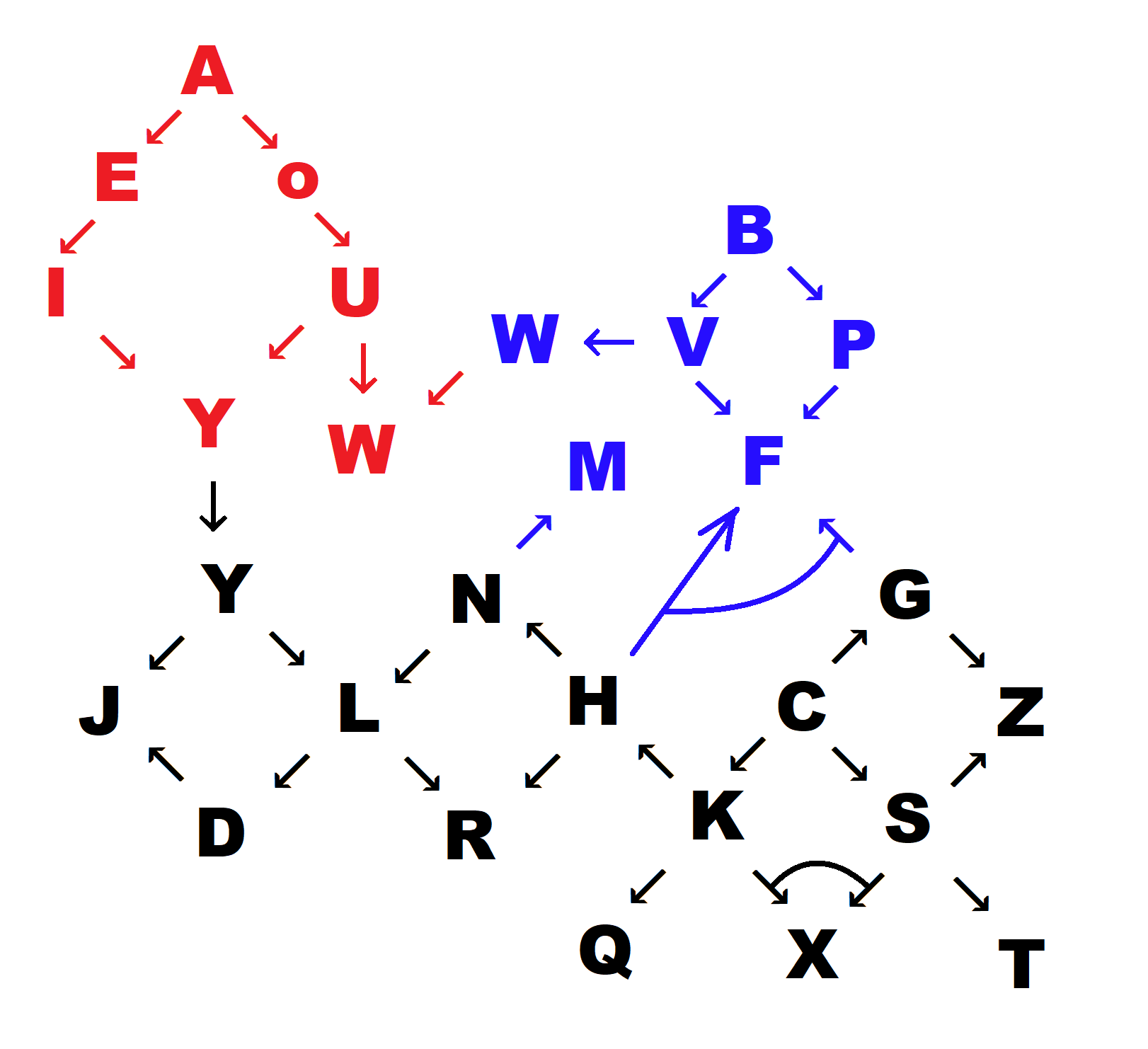
I took A B C for the basis for how diverse these letters are.
If you look at it from AMS position, I don't know if מ is ever read as something else than M
a sounds as e and o (in pan and call)
e sound as i me (and it even sounds as j in new)
o sounds as u in do
Y is greek U yet it sounds as I
U sounds as W in language. (and W sounds as U in new)
B is V in russian and greek.
P is P in words like sob, and even sobs, but not in cobs. s is sloppy, sucks out sound of b. sips. сыпется (словно дорога потягивает зерно из мешка как напиток через трубочку)
V sounds as F in german, P turns into F in hebrew, I wonder if it matters.
V sounds as W in latin: Veni, vidi, vici — Pronounced as "Weni, widi, wici"
M never sounds as anything else, and afaik no other letter sounds as M, but if 𓈖 [n] then m is of n
and the two are also linked
semantically in мы ~ нас
С sounds as K, and as S, and used to sound as GG stands in the second line now, and closest to it in greek is Ζ.. why not Η? H follows G in latin.
ΖΗ ~ GH is how the alphabets roll.
S can sounds as Z, I'm sure, between vowels or in some
languages throughout Europe.T is linked to C by the way it sounds like Ч, which is Tj in dutch, and T probably turns into ч throughout languages of indoeuropean or whatever you call the area. The word. The world.
K & S could be sufficient to bring X sound, but here we go
H looks like X in greek and russian, but h also looks like k,
If you look at the deep history of languages, K actually turned into H over thousands of years. A linguistic rule called Grimm's Law explains how ancient Indo-European hard "K" sounds naturally softened into "H" sounds as Germanic languages (like English) evolved.
You can still see this ancient shift when comparing Latin roots (which kept the "K" sound, spelled as a C) to native English words:
• Latin Centum (pronounced "Kentum") became the English Hundred.
• Latin Canis became the English Hound.
• Latin Caput became the English Head.
• Latin Cor/Cordis became the English Heart.
Q words used to be written by K: Kvinna instead of Queen
(Norman invasion must have been so powerful, that Skandinavian women were considered queens)
Russian Н sounds like N, I wonder if it's an argument to draw the link enough.
Linking H & R may be should be reversed, because R sounds as h in words like Car, or in brazilian version of portuguese in words like Rio (but not Janeiro)
Portuguese has some wild names for it's letters: H is ага́, R is э́ги or э́хи or э́ри, something inbetween
here, a video, speaking of R in brazilian form of portuguese being h in the beginning of the words.
R also sounds as h in the end of a syllable or a word: porta [pohta] oh, wow, почта is a door in a way.
and when the very same sound happens in the beginning of a syllable (inside a word) then... they use RR to say h. Like wtf, I would expect that to be used for R where R normally turns into h, yet that is the other way around: carro [ка́ху]
barriga [бахига (in that video he stressed the first sillable with a ' but pronounced it with the stress on the second syllable, I believe he pronounced it right, because for somebody knowing the language it is easier to make a mistake and not notice it in text than in speech)] reminds russian барыга, which correlates with its literal meaning being "belly" (барыга ~ буржуй, их почти всегда пузатыми на карикатурах изображают)
in barata (таракан) and careca (лысый)
r звучит как русское р[r]
He reminded me that T & D sound as lingual R, in better and ladder.
So, there's too much to change in that chain:
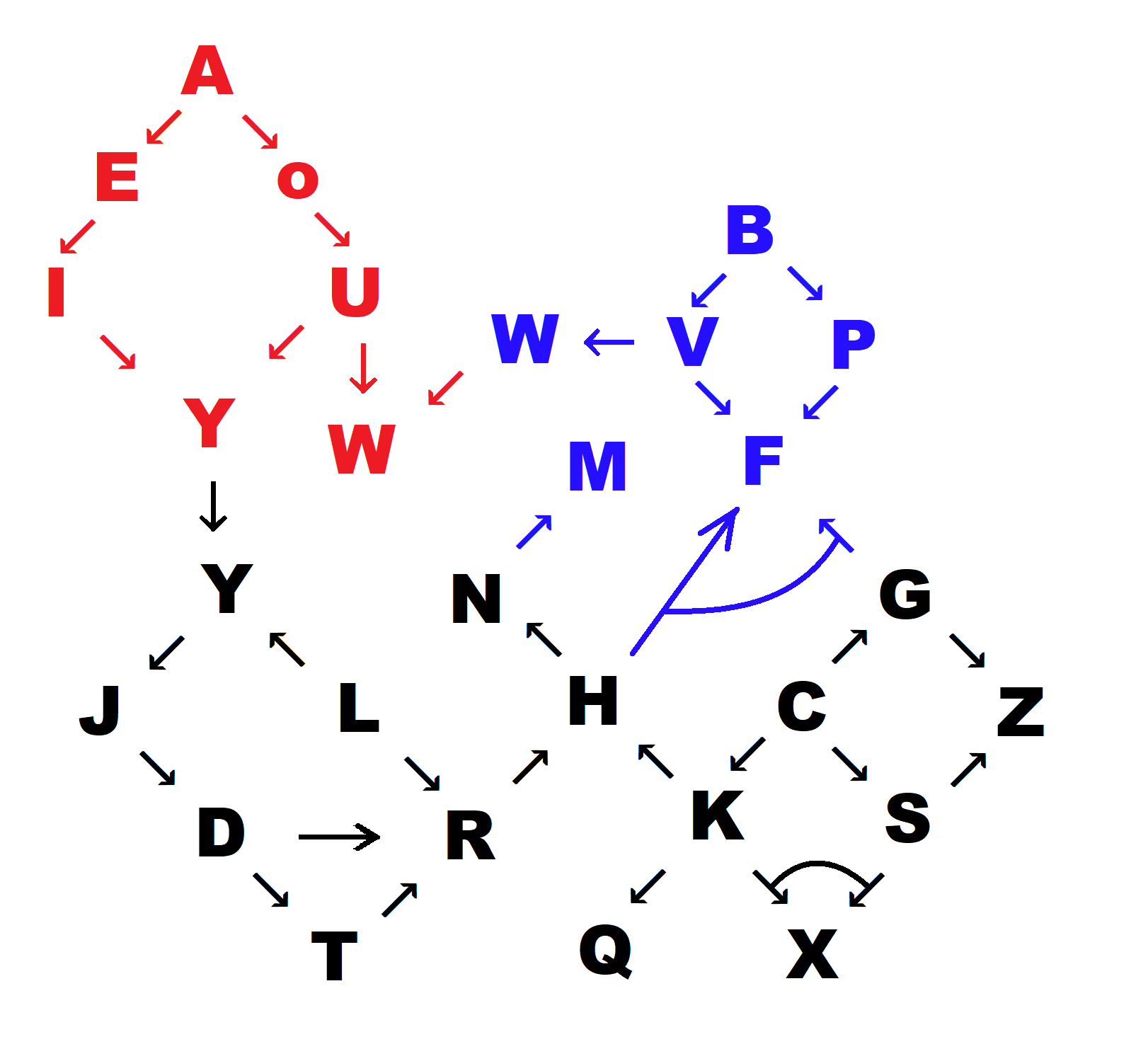
and this is stil some beta version
(literally the second edit, still very raw concept)
D definitely should be linked onto G, for both share the g form,
S and T should be linked too, that shape could be of a form of a cyllinder,
or maybe even more complex, with links between Г & L and Г & V and X and H, etc.
R & Z maybe in a form of R ← Ž ← Z
russian word ВОР reads as vor in russian, but as bop in english, and bop sounds as Bob, which is ROBert and that screams Lukashevich! (I collect such freakery near the end of this thing)
(right above IggyPop poPуggIe parrot)
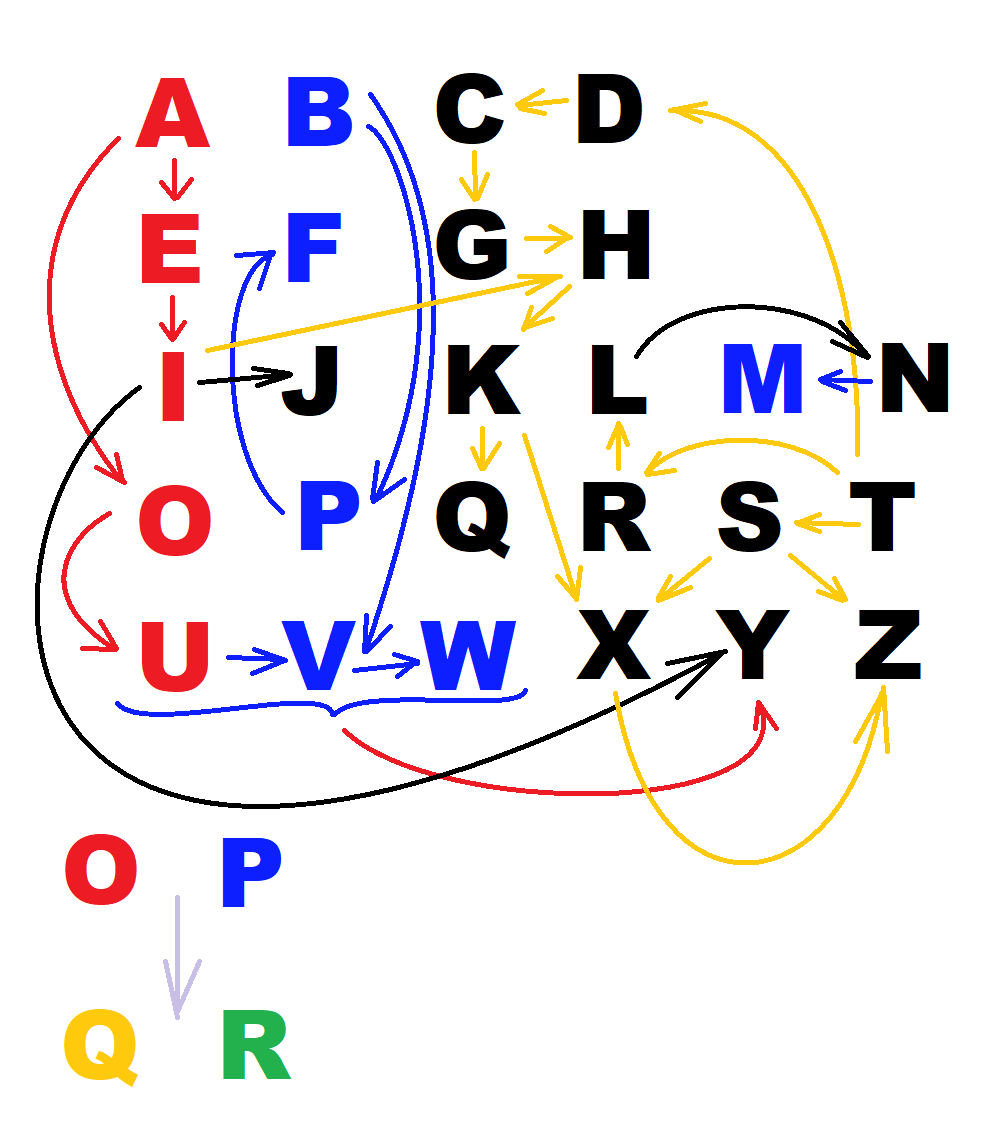
How does it read? Only A and B and T existed at first. Butt? But? Аты Баты (отцы-бати)
пример детской поэзии?
скорее, взрослой поэзии, написанной по лексике, подчерпнутой у детей.
Some people pronounce A as O, or
some words rather, but before it could be people,
peoples, dialects.скорее, взрослой поэзии, написанной по лексике, подчерпнутой у детей.
Some words pronounce O as U
Some words read A as E, some words read E as I: be, me, see
it's long and boring tell, everything is in the image. Some words pronounce B as P, some languages have p and f in the same letter, pater~father, many of such.
be me, see.
is M between B and S?
M is labial as B, but not plosive, just as S is fricative.
плот ~ плывёт
как побьёт и побивает?
как быт ~ бывает? бывёт? живёт? б ~ ж, wtf
жить ~ vita
живи как слово-билингва? ви лишь суффикс, как в плыви, слыви, зови
вижу что тогда? наоборот так не работает, у этого отношения нет
(какой-то математический термин,
который у деления)
Vie ЖиЗасегодня услышал прикол "что немцу шиза то русским жиза"
немцу ~ для немца (у ~ для а)
русским ~ для русских (им ~ для их)
дуре ~ для дуры (е ~ для ы)
козлам ~ для козлов (ам ~ для ов)
роялю ~ для рояля (ю ~ для я (палатализованная пара "у ~ для а"))
это такая жиза~шиза, которая показывает насколько русским нечем заняться
им ~ для их
им ~ для них (здесь вскрывается фонетическая обусловленность н, чтоб избежать перехода яи)
яи от слова яиц? яичница? яик? яицкие казаки именно что мудаки, от слова яйца. Но они хотя бы попытались, но москва говно, что она должна была сделать, и что изменилось-то?
Царю Дарю
Царю это и существительное, и глагол.
Царю можешь ты сказать в обоих смыслах, когда передаёшь послание царю.
Ты заставляешь царя прочесть свою мысль, подчинить царя собственной мысли.
"Я царю" это не устаревшее "я ца́рю (я царь)", если такая форма вообще была, а "я царю́"
(я царю братом прихожусь, например, я
царю газеты подаю, я царю спинку в бане тру)
Мудр May Do (for) Real
Мастер Мастит (пытался вспомнить слово мудр две строчки)
Master ~ May do for Real
Муда ~ "мэй ду"? (нот "кэн ду") но это слишком как-то звучит как поэзия и не более.
Мерить Метр Мэтр
Мёртв скоро будет. Люди тормоза, я тоже луда
люди от слова losers? ולsirs.
lose ולsвоё (когда теряешь, вещь перестаёт быть твоей)
своё ~ твоё
но своё объединяет и твоё и моё и их и её и его.
s is for self, себя
half ~ хабя? дробя? двабя.. но это уже гадание на кофейной
рубя rolf.. indeed : /
ебя elf.. wow
гробя grolf
гребя grelf
тебя telf so it is a meaningful comparisons, even with all those annuendo to grohl and greff
lf is something which себя=ся=se don't have at all.
love is it love? half is hack (with) love..
self ~ себя любимого
everything is better with love
everything is better with laugh
rolf ~ raw love
rofl ~ raw fall?
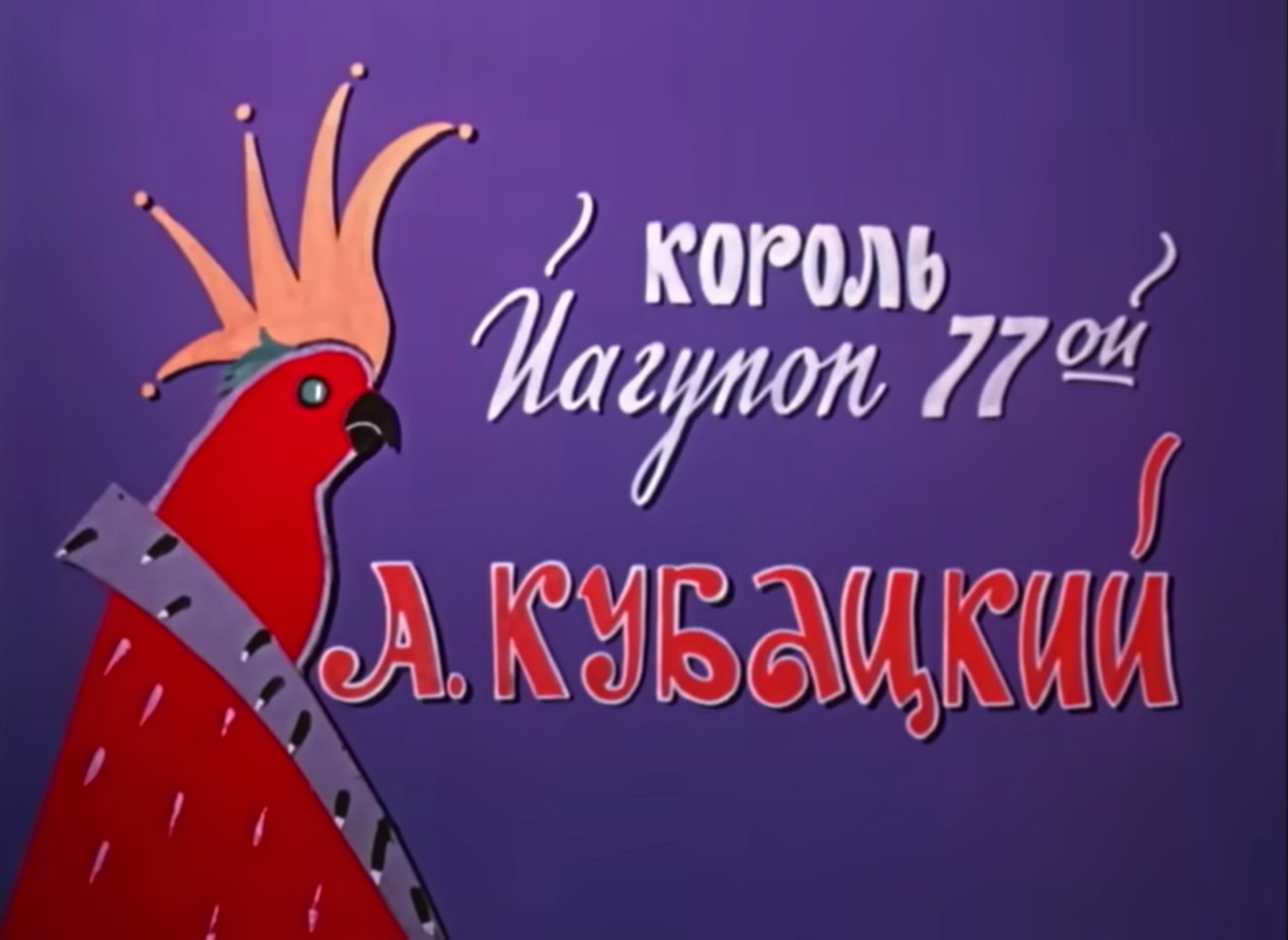
in Король Йагупоп, р [r] is written as r
thus it reveals the russian shape in the context of the more common alphabet.
or maybe it was an artist's fantasy? but it is to the point, russian Р reminds r a lot.
the similarity of P and R makes me think that it used to be sound of fart made by lips.
Was it european click?
Afrodite is of Africa (south) dite is of дитя, дать
Артемида is Арктимида, of Арктика (north) and мида is of mother, мать
Артемида девственница, потому что мать не ебут. (не то чтоб вообще не ебут, но не принято)
Бедные мои родители, мы жили в одной квартире, но я не видел чтоб они ебались, один раз может в самом детстве спалил, но это такое, трёхлеточки какой-нибудь воспоминание, деточки из за капота автомобиля не выглядывающее.
Африка А вы
Арктика А ты
(просто ассоциативное блуждание, высматривание добычи)
Аз
Вы
Те
Первое лицо
Второе лицо
Третье лицо поскольку, второе и третее во множественном числе, особенно второе, то первое Us
I
U
They (поскольку и I и U в единственном числе, The тоже плюрализировать никчему. Какое некрасивое слово. словно от слова плювать. Умноженственновать? Плуралис? Плуралис применять не нужно. Ещё лучше найди что-нибудь. Мультиплицировать отличное!
Ich
Sie Du нет интернета чтоб провериить нет ли чего U-образного в немецком,
Sie ??? зато не отвлекаюсь на ерунду, сосредосточенно работаю.
upd: появился интернет, нашёл удивительное слово EUch [айхь] означающее you, звучит словно a-ich, типа "не я". но ничего лабиального в значении you нет в немецком, судя по всему.
Мы
Вы
Ты Та То Те Ту и вновь приходит мысль, что ты порождена третьим родом, типа неуважительное, как говорить о человеке в третьем лице, когда он с нами в комнате, с кем-то другим о нём говорить, очень невежливо.
Вы от We которое Мы?
Ссы единственное слово, которое прикрепляет ы к одинокой согласной, которое не является личным мисто.. местоимением, что заставляет предполагать, что изначальный смысл слова ссы это "съ себя", т.е. сы было словом себя.. но нет интернета через wiktionary это пропустить или ии помучать, попитать (upd: -сы в башкирском подобно английскому -er в fisher; сы в цыганском is, но скорее даже are, там у них всё сложно, но иногда на удивление узнаваемо: мэ сом ром = я цыган)
в Украхе питают, в Рахе пытают
Раха кРаха Руша Рушить кРушить
кроха. крошит~крушит. кроха ироничное, самое большое, самое тупое, непонятно чьё на самом деле образование.
Украха Окраха, Ок.Рахи, Около Рахи, У + Къ Рахи.
къ = ко
ъ works as u: plague
ь works as h
у ф х
ф = ы? both could be linked to V: ф via german, ы via y[i] the у[u]
уфх
ъыь
уфх ц ч шщ
ъыь э ю Я?
uvw x y z
э and x click in экс
ю and y click because of words like oxymoron ~ оксюморон
я and z click in азъ
eks ўай аз are closed syllables, which reminds sumero-akkadian syllabary:
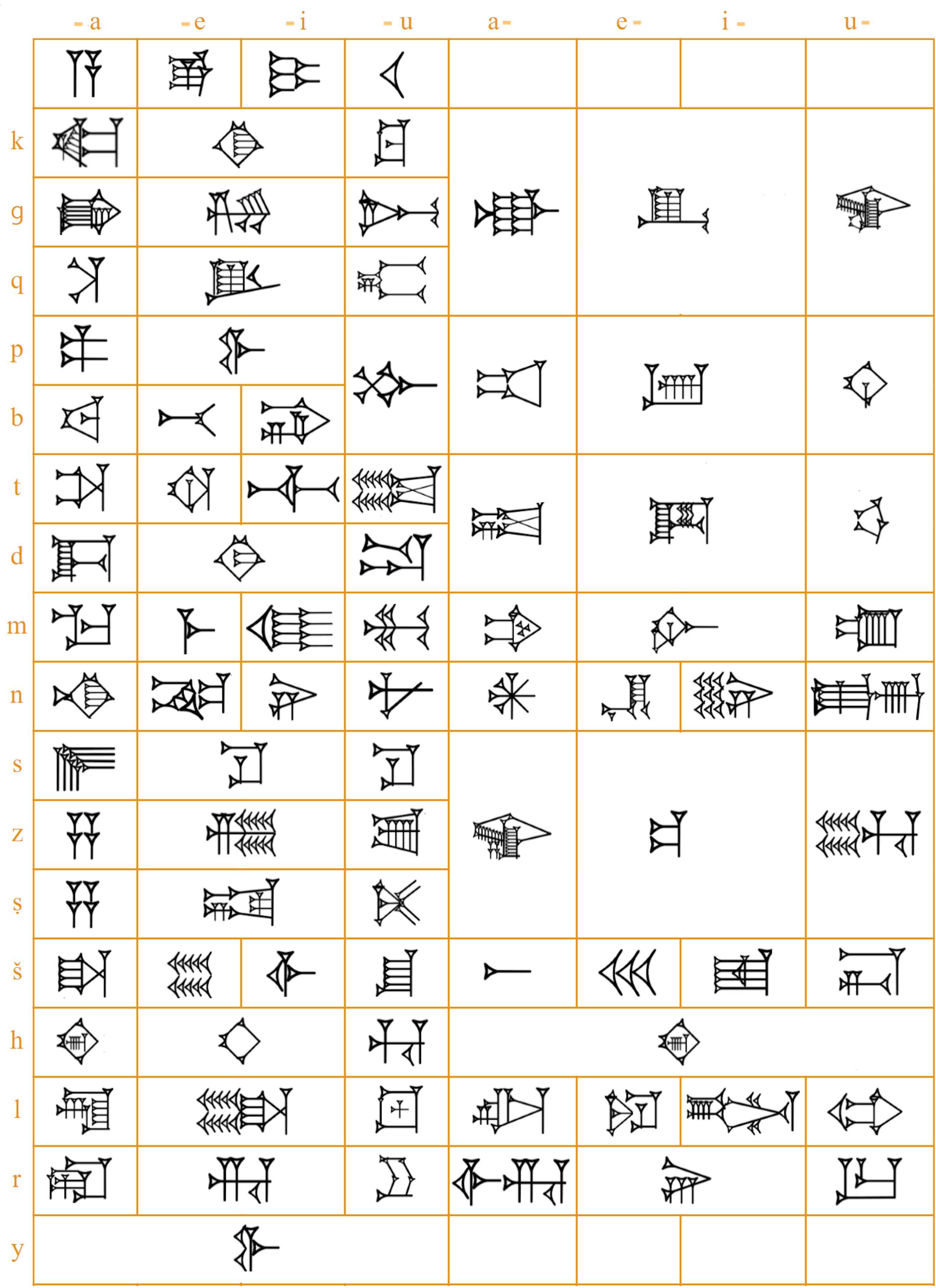
iks uj az?
Х Ж З?
Е Ж З? I'm guessing here, playing with it, looking for whatever pops up
Э Ю Я? so if you think I am trippin' you're at least partially right.
Ю ~ IO
Ж ~ Jah
can I pull anything to any thing? No, not any thing, or else I wouldn't meet lines of words leading nowhere. So, what do I say? (Ю ~ Y) ~ (Ж ~ J) (Y ~ J)
ЮЖ как в слове ЮЖный?
Whether it plays along or not, there's always a possibility that it's nothing but fantasy.
Not all of this, but each particular "find", chaos can have it own patterns.. Can it? Then it stops being chaos, patterns have rules, they're not chaotic.
Haven't you seen lines in empty channels of your tv? They could be caused by neighbouring transmission. Even though chaotic screen of dots can have them in lines, there are probabilities of such behavior, and, especially if it persists, you can calculate the chances of that being random.
Цвет кожи, солотая середина между розовым, оранжевым и жёлтым.
Коричневокожим наверное проще: бери коричневый и рисуй.
Отчего-то цвета белой кожи карандашей не было.
Всегда выводило из себя, и учителя говорили мол когда научишься человеческую кожу правдоподобно писать, тогда достигнешь совершенства. Да как её писать, вы ручки такого цвета не выпускаете, каранадши такого цвета не выпускаете, фломастеры такого цвета не выпускаете, краски только если в тюбиках и бежевый это лучшее что можете предложить.
Почему карандашей хотя бы бежевого-то нет?
Чтоб к бежевому добавлять розовый или жёлтый или коричневый?
кОричневый, я думаю всем понятно, что карий оно от калий. от слова кал, Но древнерусское ли слово кал? кал это хорошо на греческом, а для русского это калъ.
кака плохое и у греков и у русских.
кала говна лучше? значит хорошее
но может всё же коричневый от слова коричный, цвета корицы? корица, слово объединяющее коричневый и горький. Но корица совсем не горькая, горчица горькая. И горчичный цвет тоже есть, оттенок коричневого. эх, сложна
то
от
до
от
то ~ до ?
to ~ до !
to ~ do (when it stands before verb, it tells that it's a verb)
от ~ of
t ~ f ~~ θ (graphically and phonetically)
d ~ b? ~ θ (graphically only, and they are even not that, they're Ф at best)
for ~ для
or ~ ля?
or ~ ли! (или = и+ли (ли вопросительный послеслог, выражающий сомнение. не "не", но близко))
ли как золотая середина меж "не" и
"ло"?
Ⱑ ᛒ Δ 3 2 1
E F Г I 3 2 1 0
M N Λ O 3 2 1 0
was C the first line's 0? 3201 ?
П Т 2 1
Ⱑ ᛒ Δ E F Г I M N Λ O П Т
Ⱑ ᛒ Δ
E F Г
I M N Λ
O П Т
it looks a lot like a calendar. and it doesn't lay into axial symmetry
October
Пovember n for п?
Tecember d for т? too much of a stretch, is it not?
Iune May November Λютый, разброд и шатание, случайность как она есть.
Еpril Fay Гune Iuly Mugust Neptember, random, very randon.
Anuary Bebruary Darch? No correlation at alL!!
Would 12 letters be enough? N instead L would sound retarded, but nevertheless, let's test the validity of such writing system.
A new explanation of why K is the key, which locked the alphabet into a distorted structure:
The inventor of it would put it into there, to remove the lock later, if he's paid and treated well.
And it seeem he never was, so the alphabet got forever locked in ignorance of what it could be.
Or he could be paid well, but after that misunderstood and the "reform" he was supposed to have to unlock the alphabet, was dealyed and after his death rejected.
So, can I open the lock?
A B C D
E F G H
I J K L M N
O P Q R S T
U V W X Y Z
A B C D
E F G H
I M R L J N I, Merlin?
O P Q К S T
U V W X Y Z
X y Z ~~ X и Z (was Z introduced, after X started to be read as Z? So we needed another letter)
A B C D
E F G H
I M R L J N
O P Q К S T
U V W X Y Z
If we look at velars in this arangement, they're chaotically distributed within lingual half.
But when they're they take the first places among all linguals. Thus was that originally there?
Was K the R some velar sonorant? I only know ŋ
A B C D
E F G H
I M Ŋ L J R
O P Q К S T
U V W X Y Z is Y vowel to lay into the axial symmetry?
A B C D E F G H I M Ŋ L J R O P Q К S T U V W X Y Z
Q К claster is Ц К in hebrew, even though it's Ц Q, it is Ц К, because q is used for Ч, which is of Ц
QRST does look like QUEST (especially in the context of that wildest hypothesis of futhark being avþefg ...and you wouldn't believe, but it is also followed by h:
ᛆᛒᚦᛂ[e](not ᚽ[h])ᚠᚵᚼ[h](or ᛡ[й, а (e(ᛂ)?)])ᛁᚴᛚᛘ[m](not ᛉ[z, ks])ᚿᚮᚱᛦ[(y)r](or ᛣ[q])ᛋᛏᚢ bornholm runes
ᚠᚡᚢᚣᚤᚥᚦᚧᚨᚩᚪᚫᚬᚭᚮᚯᚰᚱᚲᚳᚴᚵᚶᚷᚸᚹᚺᚻᚼᚽᚾᚿᛀᛁᛂᛃᛄᛅᛆᛇᛈᛕᛉᛊᛋᛌᛍᛎᛏᛐᛑᛒᛓᛔᛖᛗᛘᛙᛚᛛᛜᛝᛞᛟᛠᛡᛢᛣᛤᛥᛦᛧᛨᛩᛪ᛫᛬᛭ᛮᛯᛰᛱᛲᛳᛴᛵᛶᛷᛸ
ᚠᚢᚦᚨᚱᚲᚷᚹ᛬ ᚺᚾᛁᛃᛇᛈᛉᛊ᛬ ᛏᛒᛖᛗᛚᛜᛞᛟ: elder fuþark (1(?)c.~9c.) gothic runes are the same plus quairtra(𐍁)
ᚠᚢᚦᚩᚱᚳᚷᚹ ᚻᚾᛁᛄᛇᛈᛉᛋ ᛏᛒᛖᛗᛚᛝᛞᛟ ᚪᚫᚣᛠ: anglo-frisian (5c.~9c.)
ᚠᚢᚦᚩᚱᚳᚷᚹ ᚻᚾᛁᛄᛇᛈᛉᛋ ᛏᛒᛖᛗᛚᛝᛞᛟ ᚪᚫᚣᛡᛠᛣᛤᚸ 'ᛢᛥ: anglo-frisian (?, the same set as in the next)
ᚠᚢᚦᚩᚱᚳᚷᚹ ᚻᚾᛁᛄᛇᛈᛉᛋ ᛏᛒᛖᛗᛚᛝᛞᛟ ᚪᚫᚣ ᛠ ᛡᚸᛣᛢᛥᛤ: later anglo-saxon futhorc (8c.~12c.)
(short-twig)ᚠᚢᚦᚭᚱᚴ᛬ᚽᚿᛁᛆᛌ᛬ᛐᛓᛙᛚᛧ: younger fuþark (8c.~11c.) ᚠᚢᚦᚬᚱᚴ᛬ᚼᚾᛁᛅᛋ᛬ᛏᛒᛘᛚᛦ(long-twig)
ᚠᚢᚦᚬᚱᚴ ᛬ ᚼᚾᛁᛅᛋ ᛬ ᛐᛒᛘᛚᛦ later younger fuþark (11c~13c.) ᚡv ᚤy,ö ᚧð ᚵg,ng ᛀN ᛂe,ä ᛑd ᛔp ᛛL
ᚠᚢᚦᚮᚱᚴ ᛬ ᚼᚿᛁᛆᛋ ᛬ ᛐᛒᛘᛚᛦmedieval fuþark(13~16c)ᚡv ᚤy,v ᚧð ᚰǫ,å ᚵg ᚶng ᛀn ᛀN ᛂe ᛅä ᛍc ᛎz ᛑd ᛔp ᛕp ᛛL
ᚠᚢᚦᚮᚱ ᛬ ᚴᚼᚿᛁᛆ ᛬ ᛋᛐᛒᛚᛘ BureusSet(TheFirstScientificDescriptionOfRunes)
Now I look at it all and find that hypothesis silly, on the border of delusional.
But I think I found plenty to support it that time. Maybe it reveals early stages, where I followed h and then it went directly to ST and B would be at the M position, if we look at what follows I like that. and L
I don't know, man, that hypothesis confuses even me myself. aye.
Thinking of Mongols, I think they reached Europe, saw its streets and decided that some Genies, some powerful Gods work for Europe, so they decided to quietly quit, retreat without raising alarm, becuase if that powerful nation wanted to get rid of all mongols, mongols would not find their bones.
cause ~ to use?
to = co = ca (it sounds as co, cau does though)
course ~ to ursa? not to move to Ursa M or Ursa m, but to measure the angle to polaris.
R и Р выглядят как Ролик, Roll, Reel, Рулончик
𒁉 bi later simplified as

when it is a postifx in the meaningn of "his, its, into his, of his", it even turns into 𒁀
That 𒁉 is originally for beer, shows that the glyph used to look like a jar with a liquid in it, and upper (now leftmost) horizontal (now vertical) lines would show the foam. liquid able to stick to walls.
when it's 𒁀, it's ba, not bi. And I saw that 𒁀 when looked for where the B shape could be coming from. Now I don't rotate it 90°, noe I rotate it 180°, which is not too good in the terms of rigor.
𒂍𒁀 ― e₂-ba /ēbâ/ ― into its house, and we saw that 𒂍, half of previous volume above, it's lil in in-lil
In And that sumerian script is read in different manners, reminds me of japanese kanji also having multiple readings.
In instead of And, a typo almost missed, so beware of such miswritings in these volumes and in general.
and that 𒁀 is definitely the ב, though it's 𒂍 which looks like ב when it is rotated the same 90° as 𒁉
But what if the seemingly flawed angle is there for a reason, to show beer in the process of its consumption and 𒁺 [du] being in march.
but look at these: 𒁻
these cannot be in march, unless they're rotated 90°
or, they could be feet of different people, it could depict an army marching on.
Well, then contexts are needed, to see if 𒁻 is used for one man going (that is what 𒁻 and 𒁺 are for: foot, go, come, bring, but also to stand, to erect, to bring in and carry away (both actions are made by feet))
Another cuneiform glyph, making way more sense being rotated 90°:
𒁷 to live, also beer, a synonym of 𒁉, which makes it [bi] as be, but actually
Akkadian: 𒁷 • (DIN, TIN) Sumerogram of balāṭum (“to live”)
Sumerian:
1) altertnative form of 𒁉𒁷 (kurun)
𒁷 • (kurun₂ /kurun/) beer (made from barley malt and/or emmer wheat, and probably sweetened and strengthened with grape syrup)
Synonym: 𒁉 (kaš)
2) 𒁷 • (tin /til/) alternative form of 𒋾 (til₃ /til/)
And we saw that 𒋾 in that image halfway above. The ti, arrow, as if it is a cognate with tee.
𒋾 • (ti) (plural 𒋾𒋾 (ti-ti /titi/)) rib
𒋾 • (ti) arrow See also: 𒄑𒉼 (g̃ešpana /pana/, “bow”) 𒄑 (determiner for wooden objects) + 𒉼 (pana, “bow”)
𒋾 • (ti, tig̃₄, teg̃₄ /ti/) perfective of 𒋼 (te, teg̃₃ /teg̃/, “to approach”)
𒋾 • (til₃ /til/) to live, be alive to revive to dwell, reside
and I think I decyphered that phrase from the halfway above, that enlilti is probably a translation of egyptian 𓋹𓍑𓋴 [ꜥnḫ wḏꜢ snb]
𓋹 Triliteral phonogram for ꜥnḫ. Logogram for ꜥnḫ (“life; to live”). Logogram for ꜥnḫ (“ankh; mirror”).
𓍑 Biliteral phonogram for ḏꜣ. Used as an abbreviation of wḏꜣ (“to be in good condition”) in the honorific ꜥnḫ wḏꜣ snb.
𓋴 Uniliteral phonogram for s; after Old Egyptian, as s and z merged, it could also be a phonogram for old z.
Logogram for s (“vessel of gold”). Abbreviation for snb (“health”) in the formula ꜥnḫ wḏꜣ snb (“life, prosperity, health”).
So, let's dive deeper into 𒂗𒆤𒋾
𒀭𒂗𒆤 is god Enlil, but what are the elements the name is made of?
𒂗 [en] lord, until
𒆤 [kid, saḫ, lil]
1) alterative form of 𒄀𒆤 [kid] reed mat
2) a mat [saḫ]
3) wind, air open air, outdoors, open country nothingness phantom [lil]
That Enlil is Lord Wind reminds me of Elohim, and the two names have some similarity to them.
Did they rotate their text, not to point their arrows upwards? hence 𒋾
𒂗 is throne, and it looks right the way it is and if they'd rotate it the same angle 𒁺𒁷𒁉𒋾 were.
(maybe the course of the country left direction, and they rotated the text to make the throne look the other way around?)
𒆤 for mat looks better as is, not being rotated, and that maybe tells that it is a lexics from a later period, the glyph must have been introduced after the rotation happened. took place.
place ~ palace, plaz, плац, площадь(city-square, area)
The word фея could be vea ~ uia
θεά with θ being in the second line, where f is missing now, and it sounds as f, like come on!
digamma is an abomination, probably of times when they tried to make 24 27, trying to make us forget that it was octal and it was wild
a b c d e f g h
i j k l m n o p
q r s t u v w x y z
and even earlier..
a b c d e f h
i j k l m n s
o p q r s t v
I probably did something wrong, because removing g I left j and maybe even k too.
Maybe L M N is a distorted I M N [й м н ?]
Иврит, Русит, в этих еврейских словах буква т означает язык. T is for Tongue.
В этом оно похоже на японское го, и напоминает, что T is of C. both can be Ч.
го = 5
could T be 5? it was five when there were only three vowels (somewhere between jewish and greek myths)
A I V B T
and the pair of V & B brinks brings S by the T's side.
П for пента used to be glyph in greek numerals for V in roman numerals
Λ instead of V was in etruscan numerals. That all reminds me of ᚢ instead of V in runes.
or was it I A V B T?
or was it Ё Б Т
eau b t
e vo (j)
Ju m t
МАТ
М А Т
АТМТА (...and what were the chances... it is ХУИТА cut in the centre and the second part mirrored)
П И ЗД А also shows full set of letters. That is Johannes Richter's idea, the magic of the words of different groups. His groups I do not understand, and we even disputed openly, I think he even uploaded it as an article. I left that dispute as clueless as I came, so I thought he was delusional, since he couldn't explain it, and I think he avoided few questions, though it was long ago, I could remember it wrong.
Х У Й одна согласная ии два типа гласных? две язычных согласных и одна гласная?
все согласные? Х V Й, XVI, 16 (tower! ruled by Mars!) in decimal (or whatever the normal roman numeral system is.. it is also decimal, because it's built around ten. But it is not positional decimal, it's additive decimal.
все гласные?: הוי
or is it rather random in the sense of abc?
ёбт is so abc it's not even disputed, eau in ё (as if the dots above e are ʌ and v, as if it was written from bottom up, as ogham was, that archaic thing. I see the nations as they are and I'm not buying the narrative about blackies inventing the civilzaion. They could have conquered us and forced us to teach ourselves that blackies kickstarted the civilization, but I'm not buying it. I think history is all crap, so I cannot even trust archaeology, I prefer to work with the material which is at hand in use actually present. in use in the present. so I can observe it directly, ignoring the books of the experts, also because I know that even if they're well-meaning, mistakes spare no one, I had a couple on each page and I read it through over and over, but then I didn't use professional editors and not even the spell-checker, so many special terms it had, but mostly of neglegence and arrogance, but then books of the past didn't have spell-checkers, not in the programs, publishing houses definitely had. At least most of the time, though what do I know, I only speculate basing my speculation upon imagination. My imagination is bred and brewed in the world it observed, but merely imagination it is)
CLOSE YOUR EYES
𓎡 [k] for каша or for cut?
is it a plate with a spoon or is it a knife? k in knife is of cut? knight also cuts, knights are knifed. (gh ~f)
knight ~ knifed
был меч ножом? оттого и ножны?
ны это суффикс родительного падежа.
каша от слова кушатьбыл меч ножом? оттого и ножны?
ны это суффикс родительного падежа.
food от слова feed?
meat от слова eat?
была каша из мелко рубленой кожи вначале? врядли голодяги выбрасывали чего. мы хохлы кошу свинины жрём (даже корочку кто-то хрум хрум, я так делал, я русский, но дикий чувак)
Peering into the Byblos script (undecyphered yet, so those letters are not what you may think they are)
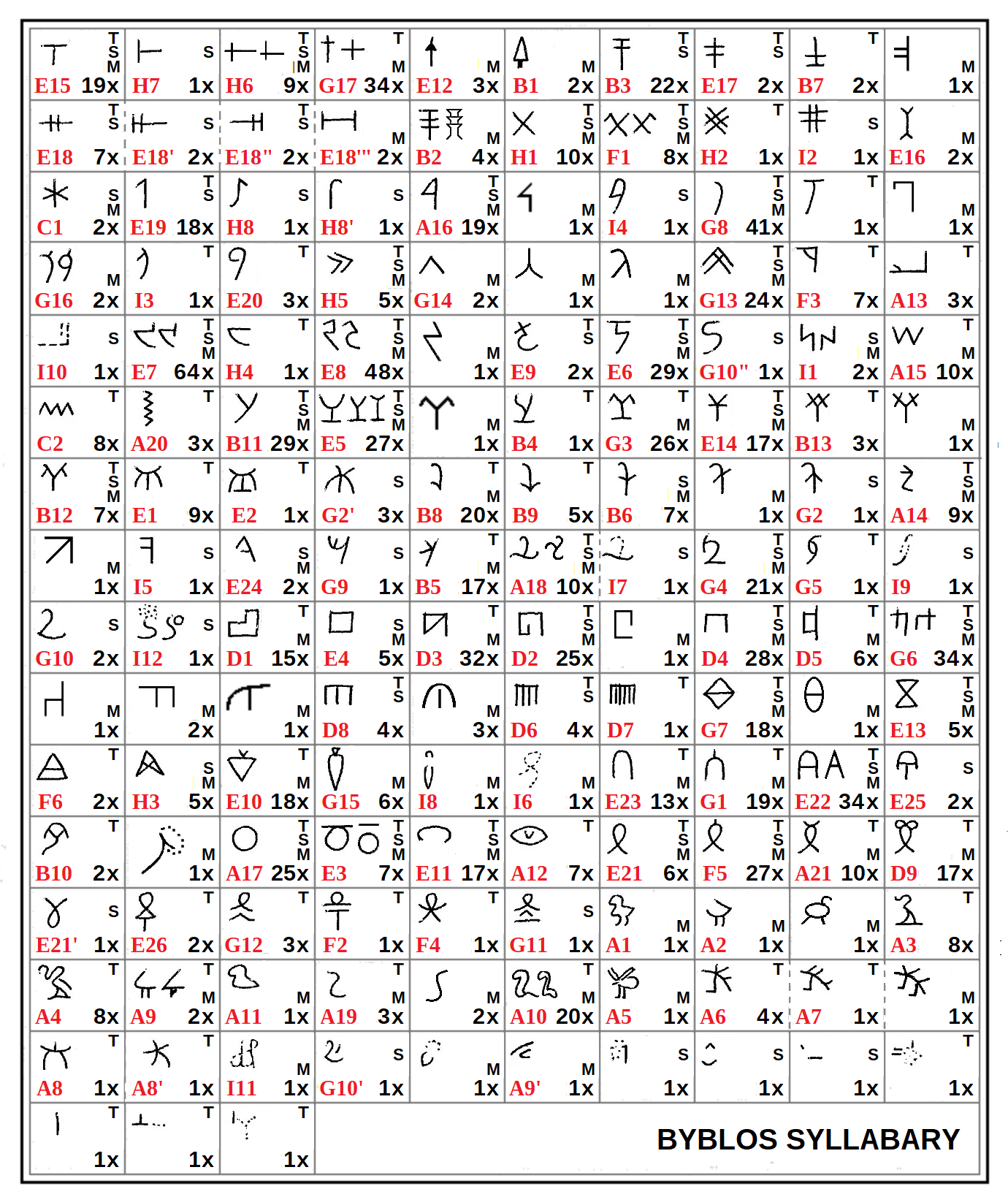
peering into it, I noticed that some glyphs are way too similar, thus they're variants of the same glyph (it's impossible to draw the same image the same all the time, scribos occur all the time)
But even with the grouping of several into one glyph, I got more than 50, and after 50 they started to be all different, thus they were less abstract, I think they're phonetic syllabary plus some ideograms.
I think they came to it when they stopped using purely pictographic hyeroglyphs. But then I know next to nothing of cretan hieroglyphs.
I suppose, ideograms were only used for homonyms.
A6 and A7 are whether the same, or A6 is "walk", A7 is "run", whatever follows them could be the same, written inadequately, by a drunk scribe or it is somehting else, like about an animal, maybe.
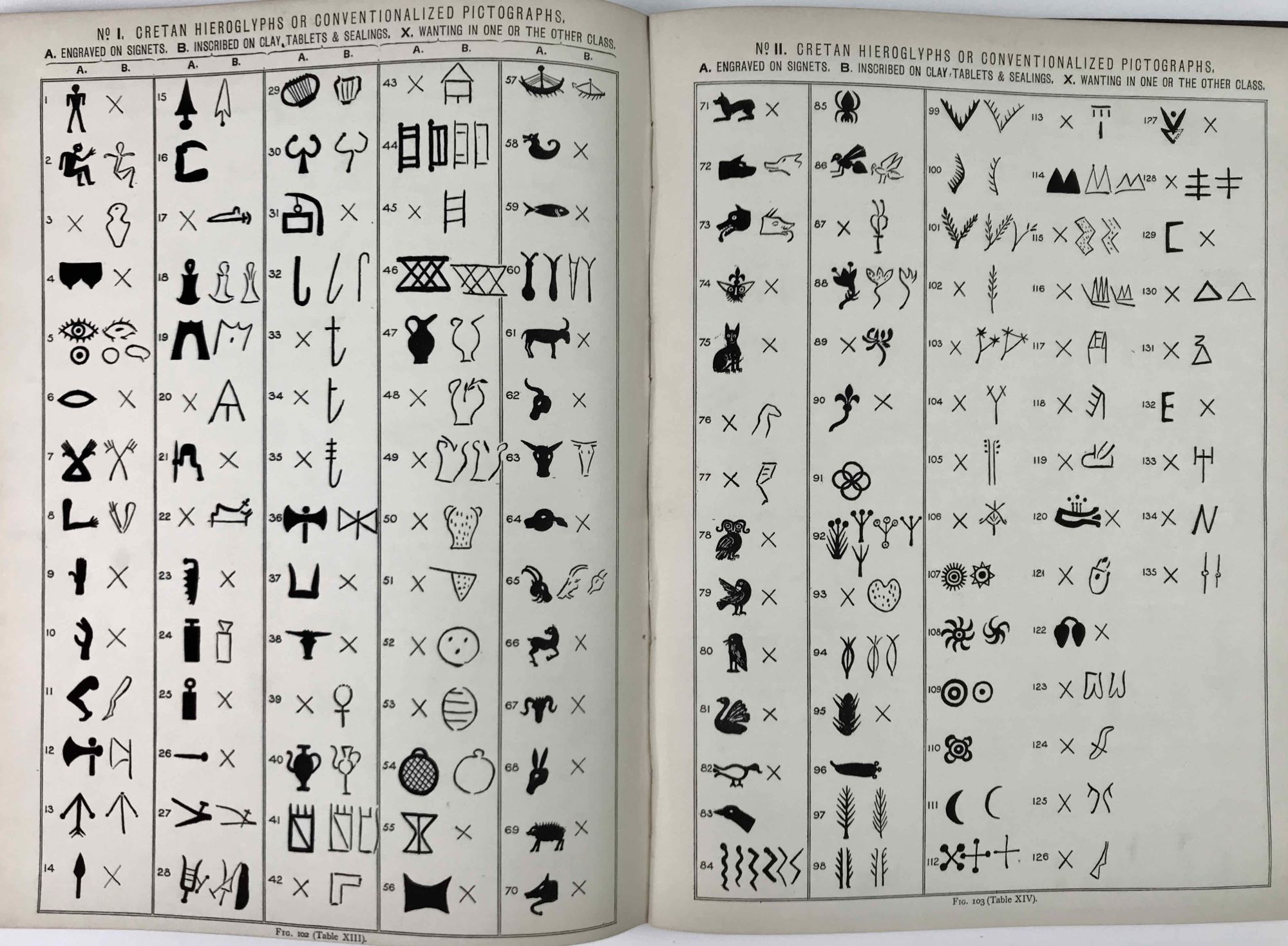
Cretan hieroglyphs are a hieroglyphic writing system used in early Bronze Age Crete, during the Minoan era. It predates Linear A by about a century, but the two writing systems continued to be used in parallel for most of their history.[1] As of 2026, it is undeciphered.[2]
They used x for lacking counterparts as if the whole script didn't have crosses, though 112 tells that they had.
I looked into LinearA, and they already named the glyphs, before they decyphered them, I'd rather not look not to catch their mistakes into my own reasonings. So, not today LinearA, here, something I never saw before:
That region had some other writing systems in that prehistoric time.
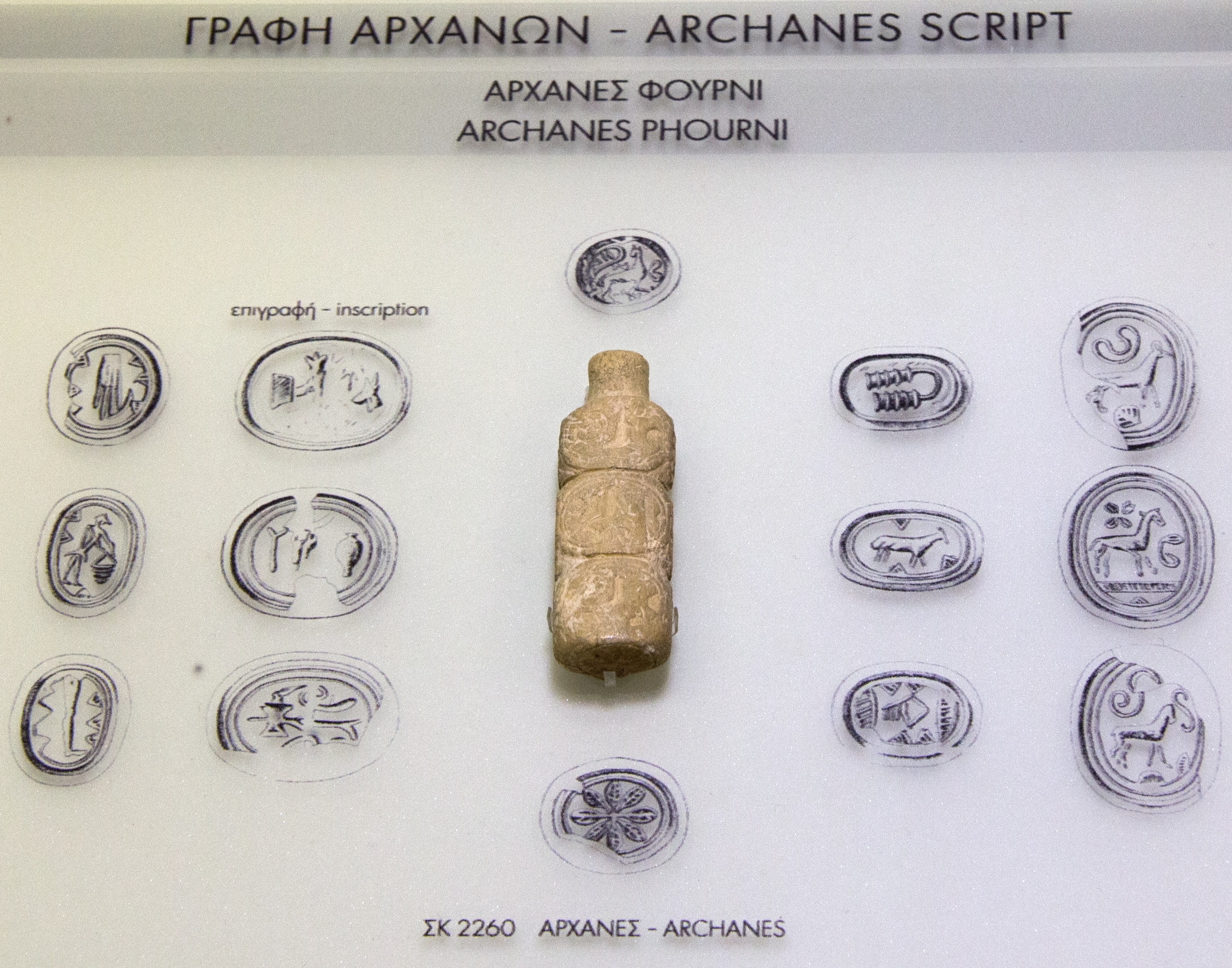
The Archanes script is a (possible) writing system attested on seals first found at Archanes on Crete and on a few other archaeological sites. The writing system dates around 2200 to 1800 BC and is often regarded as the first European script.
...and I never even heard of it
Viva la Wikipedia!
Viva la Wikipedia!
Knorozov said, what one man could encode, another can decypher..
Because there are only so many ways a head can work, so he didn't say that anybody other can decypher it, what he said was that someone somewhere somewhen can.
Looking at the coin-like shapes from the image above, I can see чеки (checks) which would separate money from product, as they did in soviet state.
They could control the cue, so nobody could go and make a copy to return with more of them..
And each day they would draw a little different coins, only they (the money guy and the guy cutting and weighing meat would know. And if in the end of the day they find more coins than they have issued, they would know of counterfeit, they would figure out who visited them the day they found the inflation of check-mass, and they would talk to the authorities to help them ceize and search the person to see counterfeit coins.. It wouldn't play long, people would find ways to avoid being caught, persecution doesn't solve the problem. It may limit it though. Does it? No, the state regulations are never to work, but to create an illusion of care: they're there to rob you of half you own. There are fewer of them, than the rest of us, so they can be way wealthier, and they are. We can revolt, can we? No, we gave them the means of surveillance. Let them watch. How do we ogranize if they watch and can ceize us (the shop-owners) before we organize not to obey them. They have army units, but units of police will be enough to calm down your ass.)
Jackhammer (отбойный молоток, пневматический бурильный молоток, пневмоперфоратор)
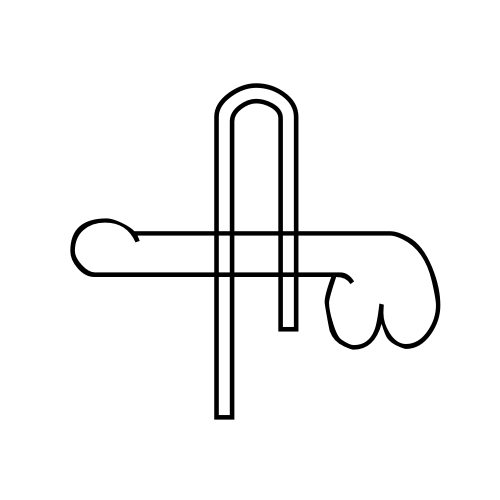
Jack (домкрат, подъёмник, рычаг, флаг, стойка, всё про Джека, который Джо, Jo? Io? 𓂷𓂸 (you cannot see the prick-hieroglyph, if the glyph in front of him is not present: 𓂸 (maybe you can, but I can only see a rectangle in front of these brackets) somebody encoded it so, that it is only seen in the table form, when those who send them cannot show dicks in sms to children.
But I can just colour the previous glyph white𓂷𓂸 funny thing is, imagine if 𓂷 is a ray of sperm flying out of it?
There's a rectangle even in unicode few glyphs further: 𓂷𓂸𓂹𓂺𓂻𓂼𓂽
𓂺𓂻 also can be seen only with 𓂻 next to it.
𓂹 must be something even more spectacular, since it isn't shown to me even in the unicode sequence.
Хуй на Всё?
ПоХуй?
wow, I see П in that 𓋴 [s]
𓋴 S29 U+132F4 folded cloth She, her, hers (.s) (Suffix pronoun) s Uniliteral s.
𓂹 (𓂷𓂸 + 𓋴 ) her dick? what? consort?
Jack (бурильный молоток(jack, perforator, boring machine))
Jack (деньги(money, cash, currency, dollars, coin, jack))
𓇑 M22 U+131D1 rush El Kab [nḫb] Nekhbet (She of El Kab) (nḫbt)
[n] Possibly ancestral to Proto-Sinaitic Tsade and its descendants
(so it said, but what? Tsade in N? What
are you talking about?)
𓇒 M22A U+131D2 two rushes This, that (nn) [nn] proximal demonstrative "this, that"
𓇓 M23 U+131D3 sedge Sedge (swt) King (nswt) Upper Egypt(ian) (šmꜥw) South, Southern (rs, rsj, šmꜥw)
[sw] See nswt-bjt
𓇔 M24 U+131D4 combination of sedge (M23) and mouth (D21) South, Southern [rs, rsj, rsw]
Alternate version of M25 𓇖. South
rs, rsj, rsw: 𓇔 is read from bottom up, which is very archaic, and which is in ogham.
I saw what happened to an egyptian monument after it was brought to the US:
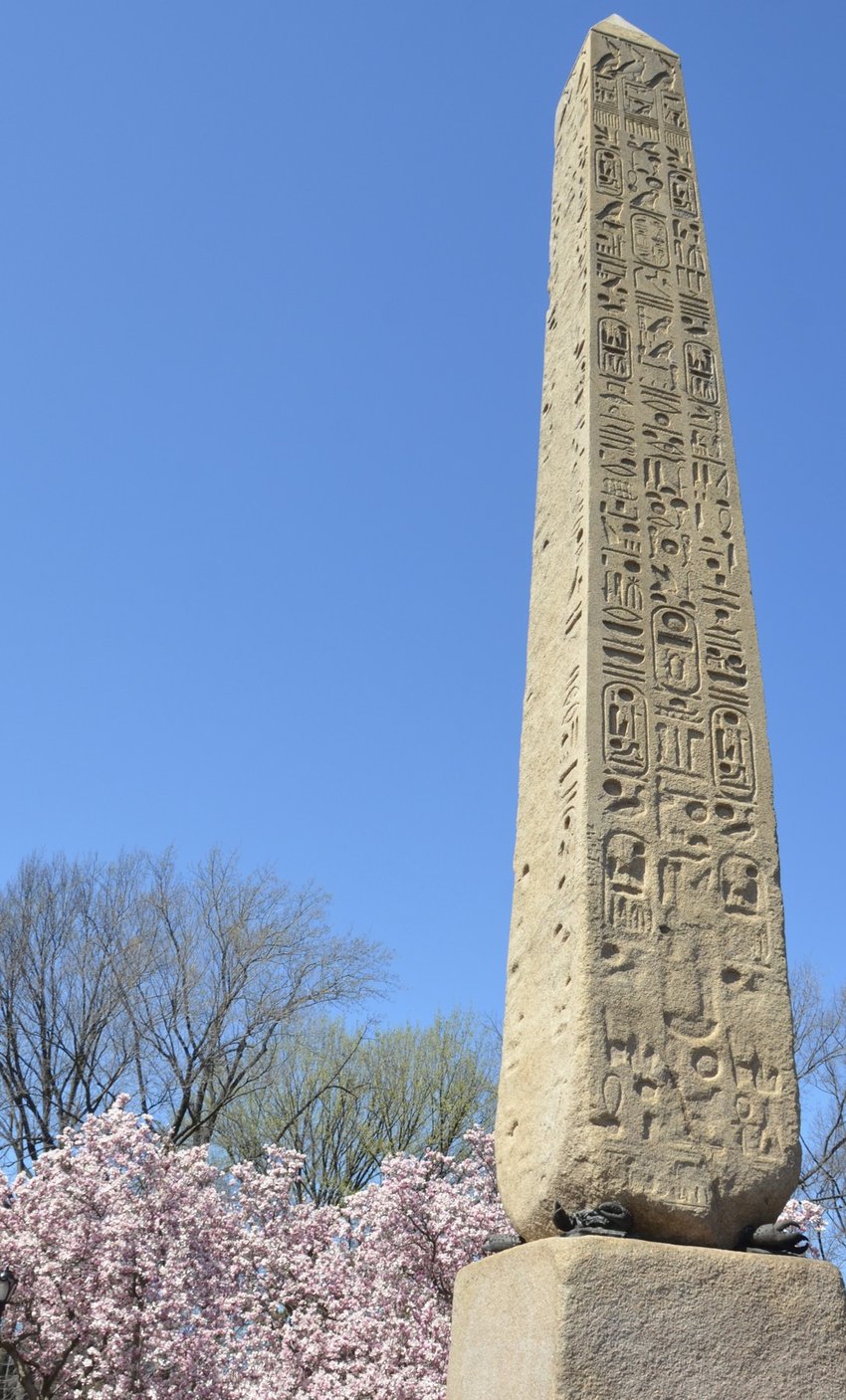
And I wanted to say that ogham wouldn't survive, if it wasn't cut through continously, but then I'm so gullible: I based that asinine thought upon a fairytale that it's New York weather what caused the deterioration of the hieroglyphs. But looking at it now, I see some parts which were not deteriorated much, while those at the bottom got erased the most. My first thought was that it's some spiteful ny j's pouring acid on hateful egyptian culture, and I even imagined that somebody took a jorney on a helicopter, to pour one side with acid from the top, but could do it only from the middle. And then I recalled the story about how the thing was delivered: they used cannon balls to roll it down hill.
And this must be the side they layed it on, but for whatever reason, cannonsalls were mostly put under the heavier side of the obelisk, or it is that the heavier part took most of the hit, and the trace of chain by which they could have pulled it, so they pulled it with the blunt side front, to preserve the tip. And I do not see traces of the chains, probably they made a wooden frame to box it into, and they pulled the frame, but it still created enough friction, so that few lines near bottom got wiped out even on the relatively well-preserved side of it.
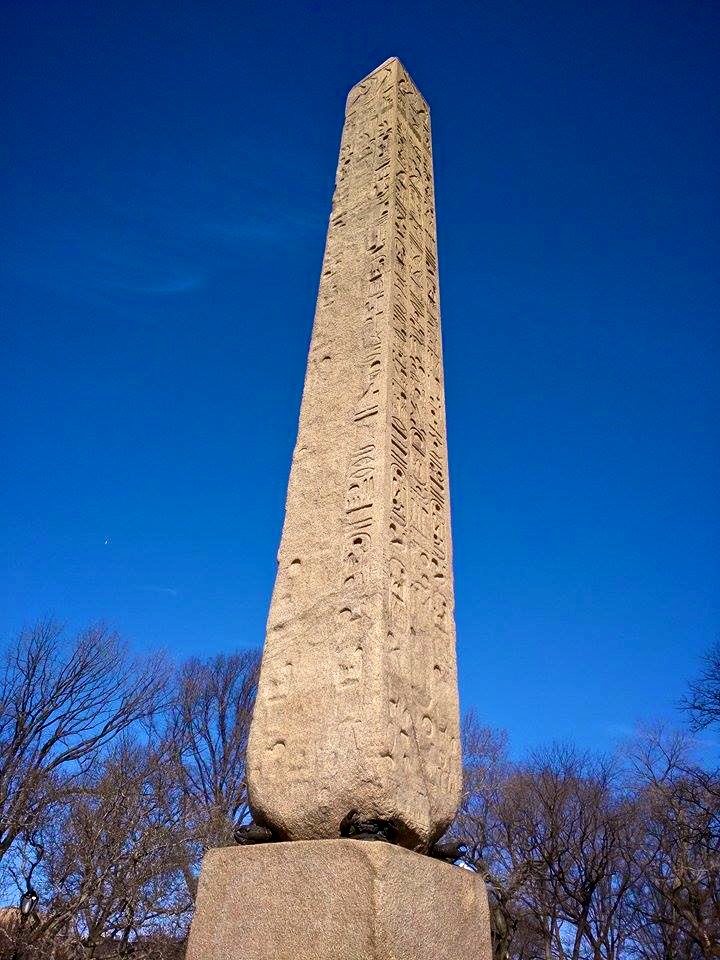
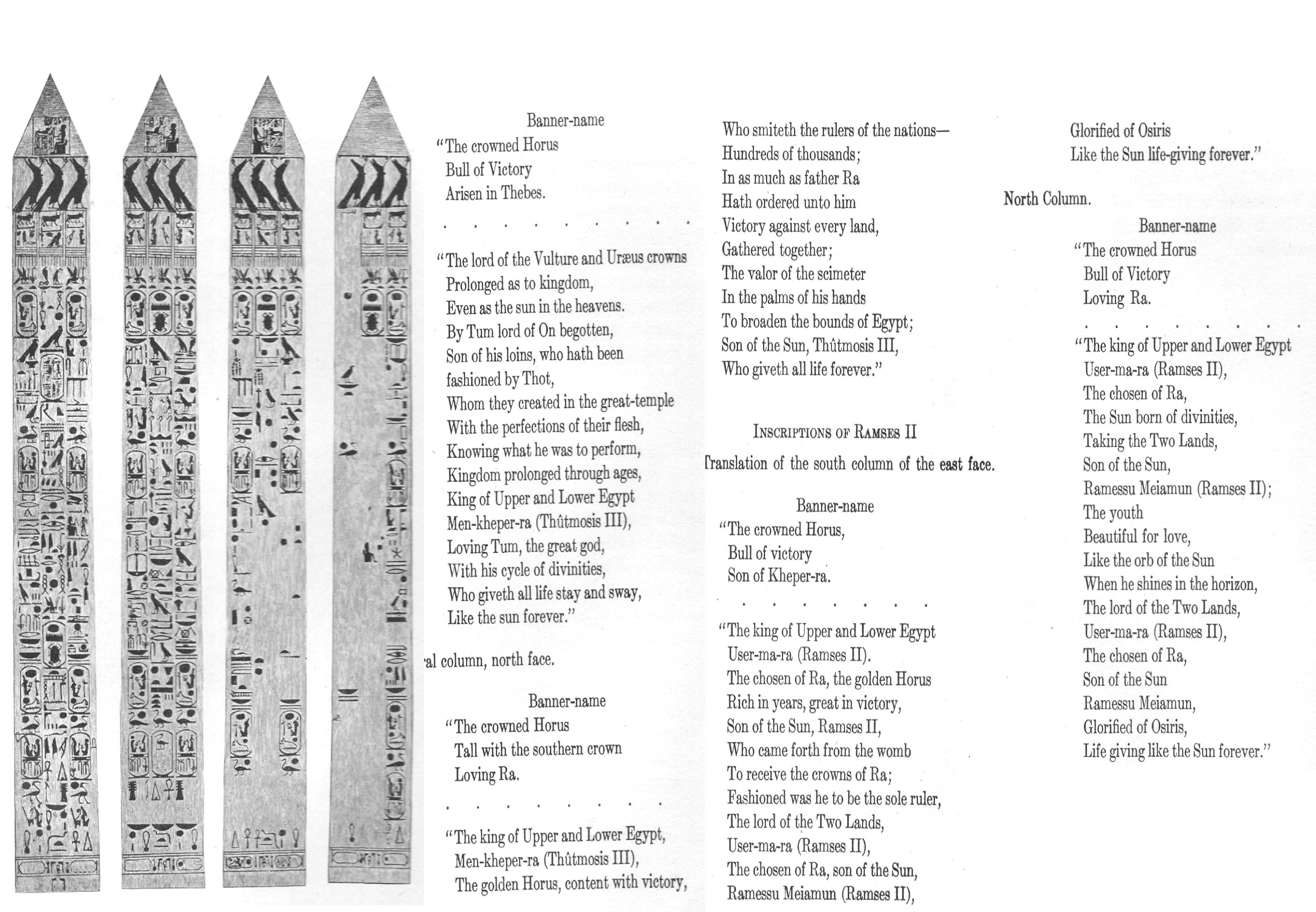
I see at this image and at the actual photograph, and the hand-written image is not likely to be correct.
So, what? Well, grain of salt.
I saw that they mistook 𓏏 for 𓐍 and 𓁹 for 𓂋 (but then, who knows, maybe it's the resolution of my image created some artefacts. I have to actually visit the thing itself in a sunny wheather and in dusk, and in cloudy sky as well. Well, I maybe would, if it was what I was there for. I had to visit the thing when I was there. I think I did, I think I got confused by its condition even back then, I didn't know two shits about egyptian back then though, so I wouldn't care to dare to record them.
I heard they're going to carve the missing pieces with lasers... no I didn't: that video only tells that they removed the dirt with lasers, and they even showed the process: that's how misinformation gets born, but do not trust them in that, preserve even this goofy image (why not photograph, ffs) just to know which parts they placed into this thing later. Search the ancient photographs of the monument.
I sure speculated a lot, but it seems the obelisk was in the same poor condition even in its place of origin:
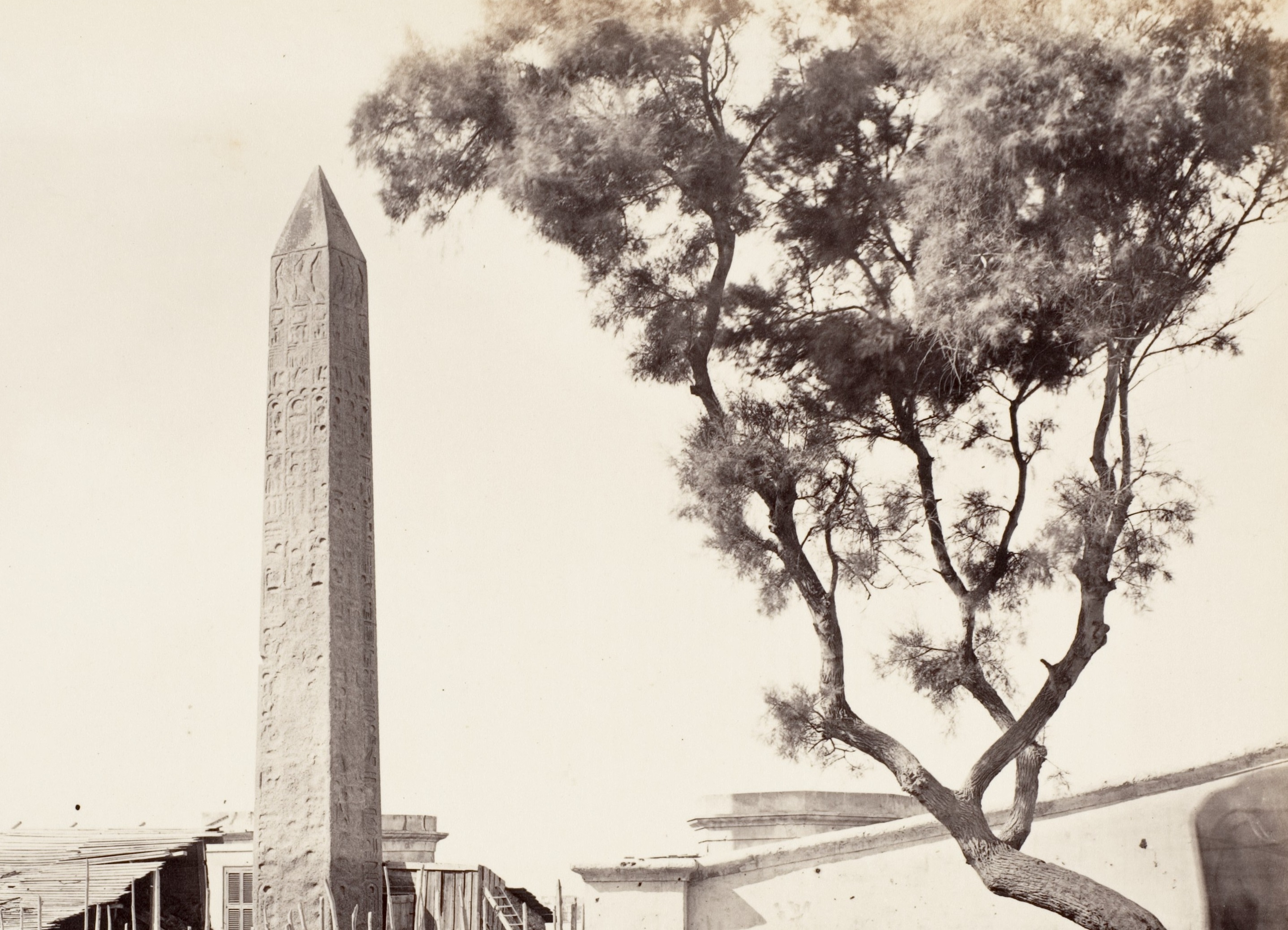
So, it's not jews, but muslims to blame for the deterioration of the thing? They also do not like depicted images (my guess is because they cannot paint that well themselves)
But then I'm too quick in conclusions, am I not, so maybe there's noone to blame and they found it in this exact condition. But then it does look like fanatics poured acid upon it.
and even if they used cannon balls to transport it, they first placed it into a wooden case:
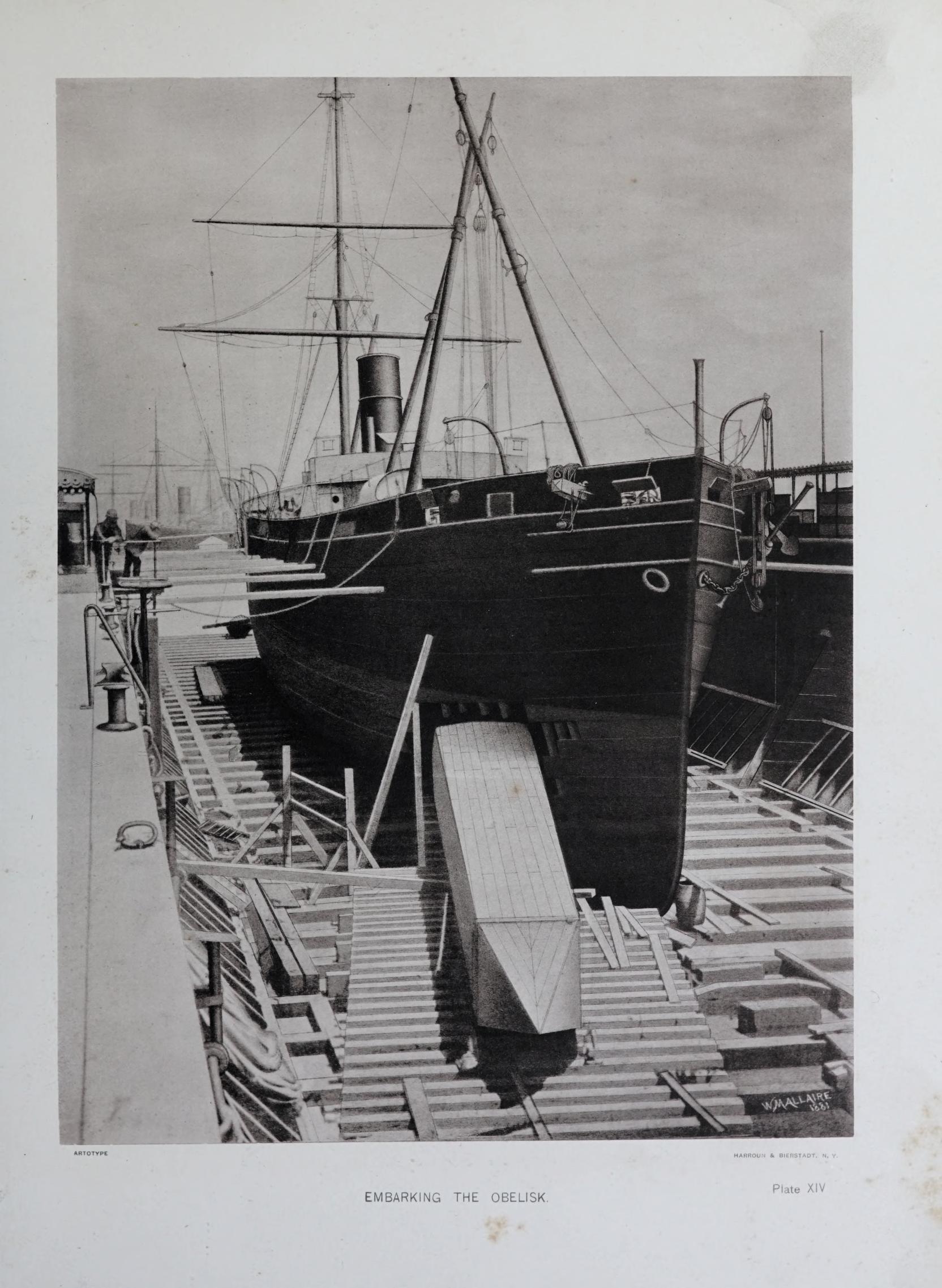
This is not exactly a photograph, but it is from a whole book about its transportationis
It's somehow difficult for me to believe that such tiny vessel could carry such a huge monolyth
whore ~ her (w is for a woman, probably)
h in her is not as rough as in whore, is it what makes that other word rude? the roughness?
bless & curse are b & c ending in common s, regardless of the spelling.
bl is soft
cr is hard
B L V Λ
C R г r
bless в лес
curse горы
лес лёхкий?
горы ה R הR'ed (hard)
горы ~ [хох] hoch (high)
лес ~ low?
луг ~ low
лес ~ луг?
луч ~ lifght
f gh is phonetic bilingua (two ways to speak the same sound
F = Г Ͱ
but why doesn't it play this game in other lines? Why B is not C D?
Isn't Б Г ᴅ? To my surprise, graphically they're exactly that. But phonetically they're not.
Где ≠ Бе
isn't Me [me (not mi)] wh- word in some language? there are so many, so in some it may be.
M can be seen as N + Λ
п can be seen as r + т puss ~ кот?
Could difference in opinions if [r] is R or Р of two forms of T in runes: ᛏ and ᛐ
Lingual R is easier to be started with t, and naturally ᛏ part is in the lowest part of tr digraph, dirune, but in R the ᚱ it's ᛚ + ᚦ
Gold Гор? Горы осыпаются, открывая жилы. Так ли это? Если gold ~ гор, то да.
Gold ~ Gore ~ Core
Gore ~ hardCore?
Б Г ᴅ
F Г Ͱ
м л n
П ГТ
go is such a popular letter in this play. And L ~ Г ~ Γ ~ Λ ~ λ ~ ג
so, I have a better solution of this graphic design's underlying structure:
B ~ ᴅᴅ
F ~ ͰͰ or ГГ or ГͰ
М ~ ΛΛ
П ~ TT though that's what I said before. Let's play some more with this new idea:
Б Г ᴅ
F Г Ͱ
м ɴ ᴧ (money ~ нал? МеНяЛы? МеНяЛы и иМаНуиЛ (у the ו is & in hebrew)
П ГТ
Some wild stuff is hidden in unicode:
ᴽ ou liguature in superscript
Ȣ(majuscule) ȣ(minuscule)
that they look like 8 makes me suspect of 4 being o
makes me suspect of ו being 4 in some ancient past.
but ٥ is 5 (which could be 4 in octal numerals)
४ is 4 in devanagari
which makes me suspect ו being 2
and it could be if it was в.
V as two fingers?
But jewish V is 6, not even 5
I touch this subject before, it's far from being solved,
so let's leave it here for not, I will revisit this subject,
maybe in few years, maybe in few hours, we never know.
Let's form the question: What is 4? What is 5? What is V? what is 6?
No, let's find a question which would be directly to this point...
Why does V spread from four to six?
was V two at the very start of its "career"?
Ȣ(majuscule) ȣ(minuscule)
that they look like 8 makes me suspect of 4 being o
makes me suspect of ו being 4 in some ancient past.
but ٥ is 5 (which could be 4 in octal numerals)
४ is 4 in devanagari
which makes me suspect ו being 2
and it could be if it was в.
V as two fingers?
But jewish V is 6, not even 5
I touch this subject before, it's far from being solved,
so let's leave it here for not, I will revisit this subject,
maybe in few years, maybe in few hours, we never know.
Let's form the question: What is 4? What is 5? What is V? what is 6?
No, let's find a question which would be directly to this point...
Why does V spread from four to six?
was V two at the very start of its "career"?
isn't m г+n?
Б гᴅ
F гͱ
m гn
п гт
First two put one on top of the other, which is an archaic way of writing.
Last two put one next to the other, which is more modern way of doing it.
г
ᴅ
г
ͱ
гn
гт
if that г is ה the "the" is only a guess about what it could be.
not just N, the N, M
not some тятя~дядя, ge-daddya, ge is used in dutch, but mostly with verbs, to make a perfect form, or over-form, I haven't learnt dutch through.
F ~ the H? the haha? F is for Fun?
DГ ~ Боw of Бow-wow?
Here I can only guess, because no phonetic or articulatory parralels are there, so if this graphic structure exists, what is it based on? Maybe, semantics (since phonetics is not likely to be the case)
But I found this thing exactly in the phonetic realm, not even in graphic realm: F ~ GH[f]
бей ~ hit? that's for that гᴅ reading of Б
Но, я вроде только что говорил как архаично R читается снизу вверх, и сейчас Б читается сверху вниз самим порядком алфавитным. Как так. Ну, про R я прямо перед этой Б ~ Г+ᴅ темой соображал, что язычная R читается как ᴅ + Λ
для = to = до
And what if [f] is not gh, but ugh, and thus it is v the u what makes f, thoughs those
Б гᴅ
F гͱ
m гn
п гт
(what is coming next is wild in this context, but seriously wtf)
Г как в слове губная
Г ~ 𐡂 ~ Λ ~ L
L как в слове labial.
𓋴 (s) Uniliteral phonogram for s; after Old Egyptian, as s and z merged, it could also be a phonogram for old z.
Logogram for s (“vessel of gold”). Abbreviation for snb (“health”) in the formula ꜥnḫ wḏꜣ snb (“life, prosperity, health” ( 𓋹 𓍑 𓋴 ))
𓍑 U28 U+13351 fire-drill ḏꜣ (bil.)
1. bil. ḏꜣ; Ideogram for "forest" Emphatically used with words as ḏꜥḏꜥ constructs
2. (see AUS-(article), and "Scale-2"-(on list)-wḏꜣ) That AUS is exactly AWS the 𓋹 𓍑 𓋴
𓍒 U29 U+13352 Can have the same value as U28.
𓋴𓈖𓃀 (to heal, to be healthy)
MJ is labial and lingual, and it is more than that: the labial part is literally Mary, and J is Juana, and it is believed to be a derivative of the male name Juan, thus labial part is female, lingual part is male.
And there's more:
Marijuana has five vowels, and if spelling doesn't matter, they're e i u a o [e i u a ə]
and the consonants could be see as all sonors, but j is not й, it's h (they meet again indeed)
that e i u a o sequence demands some modification, and it is wild: Maria Juan [MeriəHuan(e i o u a)]
And the name makes perfect sense, because that plant has separate plants for female and male specimen.
Basically it is the only plant for which I can guess the gender, sex, whatever.
И врубился я, что мЕрИOЮАн мЕрИО-хУАн говорит, что еврейский бог это и есть шмаль: Burning Bush!
и, видимо, они не хотят, чтоб остальные его знали (они об этом в талмудах своих пишут-усираются, что ивашек нужно дурить (потому в новом завете лишь про алкоголь открыто пишут-говорят))
то, как А принимает формы Е и О повторяет правила русской фонологии:
слово барабана фонетизируется как [бърαба́нъ]
и притянуть α к е это немного натяжка, но у меня это проходит по другой оси:
первая А в слове Мария обращается в Е, потому что в английском Mary читатся как Мери, причём е ударная. А в иврите так и вовсе Мириам (тоже и ударна, а поскольку в слове Мария а неударно, сдвигаем его в ту сторону, которую ударные формы заявляют)
((but it has such
vocalization in its first word))
marijuana gives another pentatonic scale: EIUAO (though that song doesn't seem to
have this melody)IEOUA ~ Иегова
IEAOU ~ descending pentatonic scale
AEIOU ~ alphabetic order, motto of cathars.
I use the modern 33-letter set of georgian letters, but ai told me there was a longer one:
1. ა — Ani (ა)
2. ბ — Bani (ბ)
3. გ — Gani (გ)
4. დ — Doni (დ)
5. ე — Eni (ე)
6. ვ — Vini (ვ)
7. ზ — Zeni (ზ)
8. ჱ — He (Obsolete #1 — pronounced like ey in "hey")
9. თ — Tani (თ)
10. ი — Ini (ი)
11. კ — Kani (კ)
12. ლ — Lasi (ლ)
13. მ — Mani (მ)
14. ნ — Nari (ნ)
15. ჲ — Yie / Iota (Obsolete #2 — pronounced like the glide y)
16. ო — Oni (ო)
17. პ — Pari (პ)
18. ჟ — Zhani (ჟ)
19. რ — Rani (რ)
20. ს — Sani (ს)
21. ტ — Tari (ტ)
22. ჳ — Vie (Obsolete #3 — pronounced like wi or ui)
23. უ — Uni (უ)
24. ფ — Pari (ფ)
25. ქ — Kani (ქ)
26. ღ — Ghani (ღ)
27. ყ — K'ari (ყ)
28. შ — Shini (შ)
29. ჩ — Chini (ჩ)
30. ც — Tsani (ც)
31. ძ — Dzili (ძ)
32. წ — Ts'ili (წ)
33. ჭ — Ch'ari (ჭ)
34. ხ — Khani (ხ)
35. ჴ — Hari / Qari (Obsolete #4 — a deep, voiceless uvular fricative)
36. ჯ — Jani (ჯ)
37. ჰ — Hae (ჰ)
38. ჵ — Hoe (Obsolete #5 — historically representing a long o or the exclamation "Hoi!")
ა ბ გ დ
ე ვ ზ ჱ თ
ი კ ლ მ ნ ჲ
ო პ ჟ რ ს ტ ჳ
უ ფ ქ ღ ყ შ ჩ ც ძ წ ჭ ხ ჴ ჯ ჰ ჵ
And if we take it at face value, this one was there as if to distort the structure of the greek alphabet:
ა ბ გ დ
ე ვ ზ თ
ი კ ლ მ ნ
ო პ ჟ რ ს ტ
უ ფ ქ ღ ყ შ ჩ ც ძ წ ჭ ხ ჯ ჰ
So, my current guess about it is that the "historic" georgian is a forgery.
I asked it if the 38-letter set has historical abecedaries in that sequence or was used for math, and it said yes to both, but then glitched and stopped responding. So I reloaded, but most of the thread was gone.
So I returned to that topic, this time directly assuming that those extra letters could be exactly what Mashtots added to it, and that 33-letter set is later revival and return to the original alphabetic sequence. Google's Ai glitched the same way, and when I reloaded the chat, the exact same post was the final in it, which is the part about the georgian alphabet was gone. Whether it's a coincidence, an accidental nothingburger, or if it's a coverup, I will never know. But the history of the georgian alphabet is one of the main interests of mine right now.
в огаме:
ᚐ [a]
ᚑ [o]
в рунах:
ᛆ [a]
ᚮ [o]
в датском:
aa [o]
у берберов:
ⴰ [a]
ⵓ [o]
в глаголице:
Ⱁ [o]
The Iraqw or Iraqu (/ɪˈrɑːkuː/) are a Cushitic ethnic group inhabiting the northern Tanzanian regions.
I don't know, a face shown in the wiki page for example does look like some arab who moved to Africa
следующий абзац показывает насколько orwellian is russian culture,
and I believe that soviets are to blame:
бьёт значит любит могло означать то, что женщина любит мужчину, который её бьёт, иначе не позволяла бы так с собой обращаться? или мужчина любит женщину? (начало проверки: ошибка 1: потерял мысль, писал то что перед скобками с целью продолжить "когда она его бьёт", но я использовал не "и", но "или", и может потому потерял мысль. Про то что "бьёт значит любит" всеми понимается как тот кто бьёт тот и любит, родители могли так говорить, потому что любовь и следующая из неё забота может быть мотиватором воспитательного насилия) Но может боятся? (ошибка 2: это продолжение той же незаконченной мысли, процесс потери ея) Может это проявление того же самого заблуждения (либо введения в заблуждение) что боится значит уважает: заблуждением это является потому, что страх отрицательная эмоция, а уважение эмоция положительная. При страхе уважение показное, притворное, при уважении оно настоящее, и на практике за человека которого искренне уважаешь ты жизнь отдашь или во всяком случае рискнёшь ею, а за того кого боишься можешь рискнуть ей чтоб убить его. Но, может глупцы так вживаются в роль уважающего, что начинают путаться вусмерть и уважать, а остальные смотрят на них и такие тоже уважают, не понимая за что, но ведь уважаемый! Может это практическое руководство среди "вождей"? Что если руку поднимишь, а он сжимается, значит видит себя низшим, подчинённым, а если страх потерял, то может вместе с ним потерял и уважение. Не боится не значит не уваажет, но если боится уважает точно, иначе чего бы он боялся? Пошёл бы да раздавил, а если из страха не давит, в какие лютые дебри человеческого сатанизма мы забрались. нет, нет, продолжи мысль и затем проверь её на логическую соглассованность.
Не перепроверяй, на ошибки после посмотрим. если из страха не давит, то ну то что тирану и надо, чтоб его на давили. Из уважения бы не давили, он бы умных вокруг себя собрал; а когда из страха уважают, и при этом близко находятся - они глупцы походу, потому что спутали игру с реальностью, вжились в роль. Актёры глупцы? Актёрам нужно вживаться в роль. Играть как скажут. Глупцы бывают и очаровательными. Но я не проверял, и чужая душа потёмки.
Основная идея этой стены текста: "бьёт значит любит" напоминает "боится значит уважает"
Подмена любви и уважения побоями и страхом.
Подмена любви и уважения насилием и страхом.
(насилием или
угрозой насилия)
угроза насилия предпочтительней насилия,
но это ужас и моральный терррор, нехотетъ
Как создать мир любви и уважения? Виртуальную реальность.
Может потому мы и в ней, может это казалось раем тем, кто
буквально поедал друг друга при контакте тел, и они нашли
способ изолироваться друг от друга, и сидя в этих капсулах
создать мир, где не будет подобной напасти, где сможем
обниматься, ебаться как люди а не случайным образом яйца
отложеннные осеменяя. Как это вообще происходит у рыб? Они
дрочат на яйца? Когда начинается струя во время ёбли, секс
прекращается, и струя падает на яйца разложенные на месте
ёбли? Он выебал яйца из пизды пока её ебал? Я какой-то
ксеноэротикой это живопису́ю. Тёплое море как матка,
выносит сама. И видимо там жизнь появилась, что мы все как
в матке жили. Но затем начали друг дружку жрать, и
пришлось спасаться бегством, на суше тоже не сахар, но и
не сахара (кто был в сахаре им не повезло, но кто-то даже
выжил, и до сих пор живёт его потомство.угроза насилия предпочтительней насилия,
но это ужас и моральный терррор, нехотетъ
Моё потомство будет в этом мире жить? Вся надежда на искусственную матку. И тогда 10 потомков должен совершить. Не будет ли моя душа в них переселяться? Глупость какая. Я же ратую за вечную жизнь в виде мяса. Так отчего 10 потомков не создать, может кто-то будет даже круче меня, генетическую инженерию применить так будет как задашь. Но как можно быть уверенным в знании науки? Мы её на практике, в мясе, перепровеотм (еот=и, это какая-то дикая опечатка) перепроверим, на моих потомках, в которые я закладывал желанные характеристики, но для этого надо самому в науке разбираться в генетике. Доверю это ИИ. Я буду дальше буквы изучать, благо я единственный в мире кто этим занимается так как я.
Какие большие вопросы стоят сегодня перед моей теорией:
1) г читающаяся как в.
Было это всекгда в, а орфографией попытались изменить речевую норму? Потому что Ево в библии выдаёт Еву как Мать всего сущего. То, что её саму придумал кто-то другой это уже поздняя модификация, софистикация. Мужчина выше женщины в современном обществе, и боги отражают, бог-отец сегодня доминанта. Отец сегодня Бог. Он, Его, еГо
а женское местоимение еЁ еЙо ейО еВо? Как звательный падеж слова Ева.
Ева и d.Eva? d is devstvenna. Russkiy ty ne tark uzh prost.
eWa
eWə
eWo
еВо ~ еЙо
Ў ~ Й (I saw it somewhere before)
но еВо и еЙо это как мы сегодня произносим. V мужское? но выглядит как пизда. U больше на гульфик похоже. U V W в этом контексте это мUж, жеνа, и W символизирует детей. Удвоение того-же, и поскольку детей было большле двух, та W выглядела бы как 𓈖, ﺴ, 𝓶, ෴,
жена ~ жива? приживалка? прижёвывает.
Й ~ U? й ~ и ~ u ~ w, but come on now
ᨓ buginese va (wa)
it is so called Lontara script:
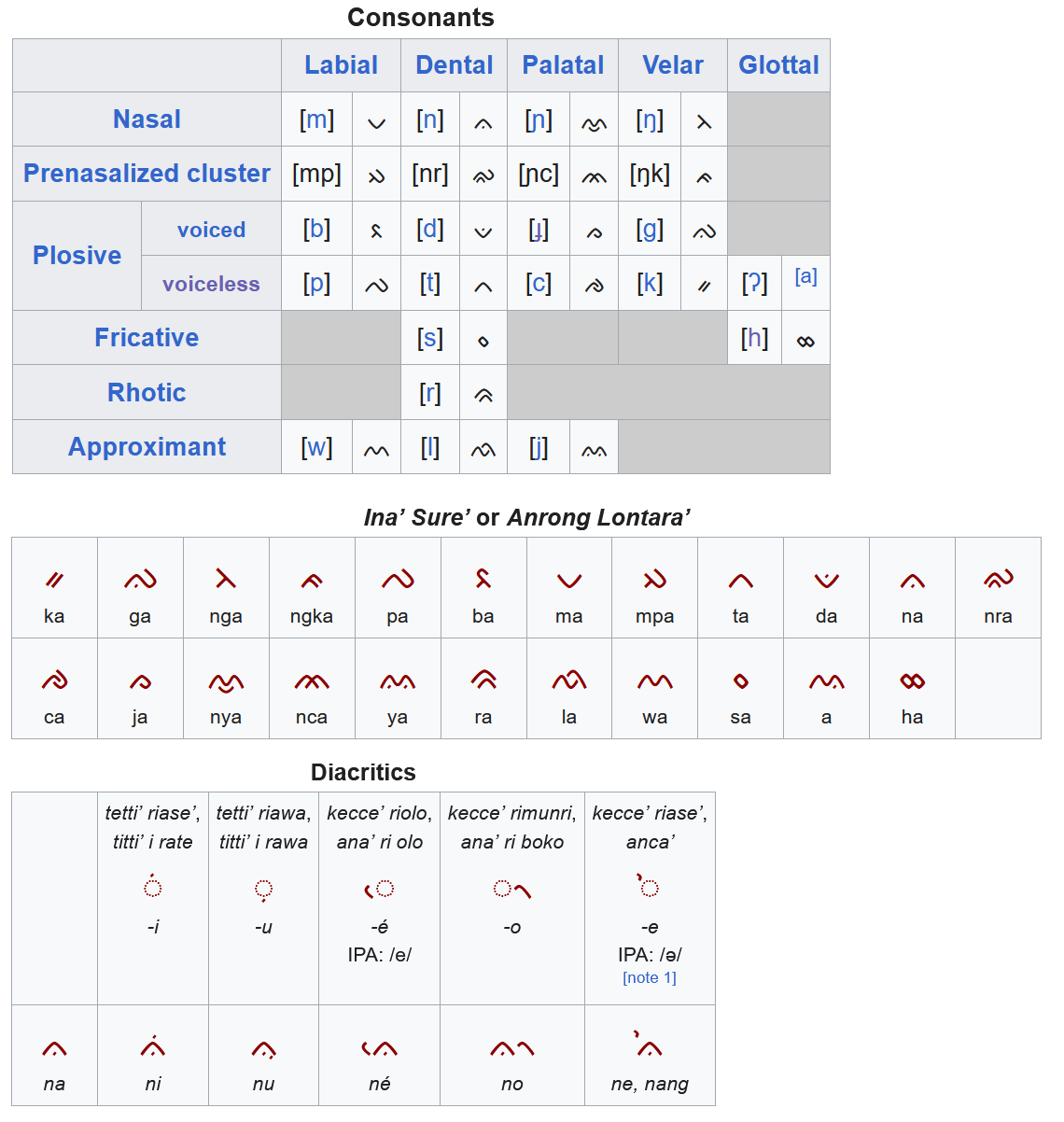
They say, that it appeared in the 15th century, but I suspect 15th century is just how far into the past they can verify its existence by their own records, but that is simply because they discovered that land around 15th century.
Nevermind the order, we descend to even deepest level of shapes of the sounds alone.
And at that level we can see sa as σ and ס (literally the same letter, even the tail is at the end of it, considering the direction of the texts: σ is greek, ס is hebrew.
Their i and u diacritics are of the indian region, to which we belong by the indo-european pact or myth or consensus or whatever, language family.
Arabs have it the other way around, and that is the deva-ahura dychotomy.
and now I wonder if it's related to
similarity of a & d, A & Д
That buginese lontara diacritics of e resembles devanagari ए as if the rightmost (shorter) stick is a ا, or a common elongator as in आ (compare to अ)
That buginese lontara diacritics of o reminds me of ऊ [u], compare it to अ [a], though उ is also u.
and not o. but.. wait..
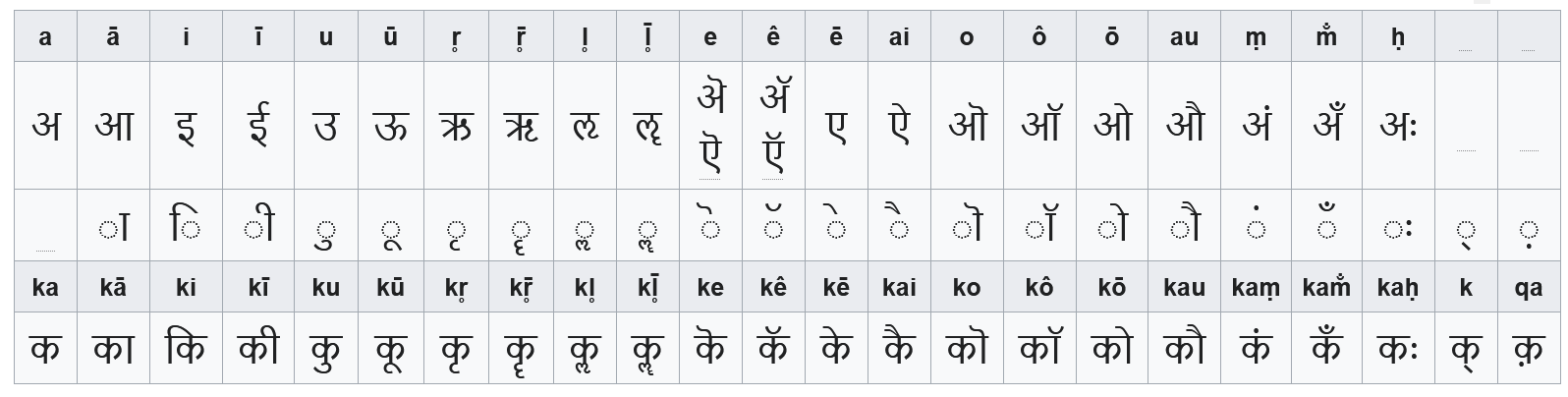
That is a wonderful script:
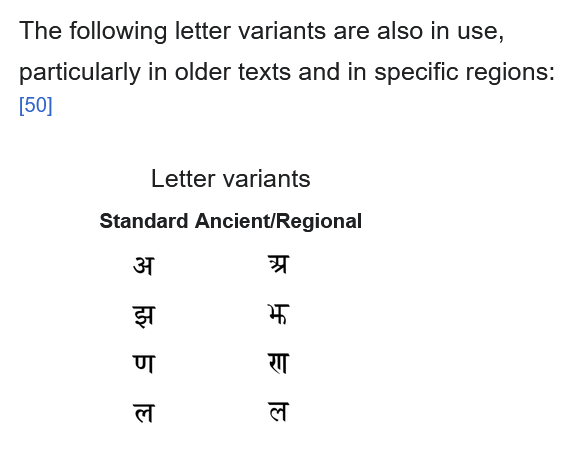
इ used to be swastika-like, naturally it is S for Soleil, for Sun, for Solntse, for Surya[सूर्य]
Sanskrit is whether Sun Script or Saint Script.
Ivrit only adopted that suffix and I wonder if -t suffix used for other lanaguages' names is ingenuine or derived from the name for ivrit (hebrew in russian and hebrew itself)
and that region is plentiful with writing systems, which may say that actually it is the source code.
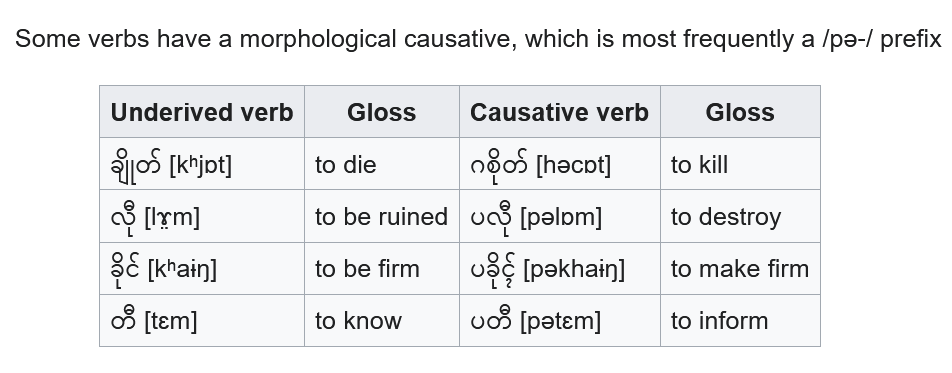
it is probably indo-european, because I recognize the words: cat as cut, lam as ломать, khaing as king, tem as быть в теме, though naturally all those could be apophenic by nature, but they also could be not, pa as in possible, but why it is here is that I'm confused about final m being rotated into opposite directions in to destroy and to inform, but the same shape as in patem (to inform) is read not as m, but as t in hocat (to kill) which may tell that it is unusual and I have to research that Mon alphabet better.
This is the celebration of life: young beautiful people are dancing happily.
Only those who celebrate death with their celebrations of great battles may oppose that.
And they did oppose, with the uncontrolled immigration of shit-people, of murderers literally.
They felt like making them a little less happy. What a sick world we're living in..
Soon everything will be clean... A man can hope. But I don't just hope, I can see a reasons why it's going to get way better. Maybe even better than before. Way better.
Could ع the arabic ayn, the arabic O be double ا?
as ا can attach to ل, making لا, so maybe it can attach to itself to make ع? though graphically it is not so evident, but then haven't I seen their calligraphic art? Doesn't ا get bent in them? Actually, I don't know. Well, in لإ they rotate ا like 30°
ai tells "more":
Within the Lam-Alif (لا): The Alif component is mirrored and rotated dynamically, leaning heavily to the left or right at a 45° to 60° slant to cross the opposing Lam stroke.
لإ and لا are both combinations of the Arabic letters Lam (ل) and Alif (أ/ا), but they serve completely different grammatical functions and carry different pronunciations based on the Hamza (ء).
Key Differences
• لا (Lā): This is a standalone word meaning "No" or "Not." It consists of a Lam followed by a plain Alif, creating a long "aa" sound. It is used for negation (e.g., لا أَشْرَبُ - I do not drink) or prohibition (e.g., لا تَشْرَبْ - Do not drink).
• لإ (Li-’a / Li-’i): This is not a standalone word, but rather a combination of two separate parts: the preposition Lam (لِ - meaning "for" or "to") attached to a word that begins with a Hamza (أ/إ). The Hamza changes its seat to a dotless yaa (ئـ) or sits under the Alif depending on the grammar rules, often representing a short vowel sound like "i" or "a" following the "L" sound.
• Example: لِإِنْشَاء (Li-’inshā’ - "for establishing") or لِأَنَّ (Li-’anna - "because"). When written in certain calligraphic fonts or shorthand scripts, the combination of Lam and an initial Hamza-Alif looks like لإ.
لا looks like crossed forearms.
Forearm значит передняя часть руки, fore arm.
Жест, известный как "no", so, could it be that graphic depiction of that gesture determined the shape of the letters l & a? did it became la instead of no, or were la and no the same? In hebrew it is lo, but modern hebrew is rather artificial and I do not know how exactly it was modified.
hearse sounds exactly as hers (which makes me wonder if it's a coincidence or She is Death)
кляча nag, jade, hack, crock, screw, wrethced nag, aver, rip, plug, weed, knacker.
weed интересные значения имеет:
From Middle English wede, from Old English wǣd (“dress, attire, clothing, garment”), from Proto-Germanic *wēdiz, from which also wad, wadmal. Cognate with Dutch lijnwaad, Dutch gewaad, German Wat.
но в значении кляча я нашёл лишь такое:
(Scotland) A sudden illness or relapse, often attended with fever, which befalls those who are about to give birth, are giving birth, or have recently given birth or miscarried or aborted.
(Scotland) Lymphangitis in a horse.
видимо, в книге было сказано, что у лошади Lymphangitis, переводчик не стал так мудрить, перевёл как кляча.
crock interested me, because it reminds crone: made me suspect m to be mare, and some female calf could have a name with a vowel, probably even A, but the closest to кляча I found in wiktionary is in Scottish:
crock (plural crocks) an old ewe which has ceased bearing
ewe is a magnificient word, very vowel, very её, very ю
цель этой темы в смысле конечная цель, до которой необходимо допинать -- это то, чтоб другие люди подхватили, и начали эти тома исследовать и дальше передавать.
Тогда можно будет переключиться на биотехнологии и заняться ими в полный рост.
All you need is LƆV
All you need is ΛƆV: up, down, and sideways (no C-like thing in this, because of boustrophedon)+
All you need is ΛɅᚢ
ΛɅᚢ (love) is 444, 555, and maybe 666?
ᚢ-like V was used in roman numerals before romans, by etruscans.
Let's test is vav standing for v and 6 speaks that V could also be 6, as foot and pound differ in size depending on context and place.
I V X L C D
1 6 12 72 144 864 Σ = 1099, nothing interesting
so it's not, not in this heathen numeral system, greeks invented isopsephia, jews borrowed it.
АБВГД
ОПРСТ
В[v] ~ Р[r]
that reminds me of how in futhark ᚱ stands where one would expect ᚢ, that's a weirdest piece.
and here comes another one, the opposite
ᚠᚢᚦᚮᚱᚴ sequence reminds VUTSRQ with whether V sounding as F or ᚠ sounding as F in welsh, V
that it made me suspect that futhark is a reversed alphabet, that it could be a cyphre, that that it's broken into ogham could be an additional level of encoding.. but the rest of the sequence didn't support this hypothesis.
ᚠᚡᚢᚣᚤᚥᚦᚧᚨᚩᚪᚫᚬᚭᚮᚯᚰᚱᚲᚳᚴᚵᚶᚷᚸᚹᚺᚻᚼᚽᚾᚿᛀᛁᛂᛃᛄᛅᛆᛇᛈᛕᛉᛊᛋᛌᛍᛎᛏᛐᛑᛒᛓᛔᛖᛗᛘᛙᛚᛛᛜᛝᛞᛟᛠᛡᛢᛣᛤᛥᛦᛧᛨᛩᛪ᛫᛬᛭ᛮᛯᛰᛱᛲᛳᛴᛵᛶᛷᛸ
ᚠᚢᚦᚨᚱᚲᚷᚹ᛬ ᚺᚾᛁᛃᛇᛈᛉᛊ᛬ ᛏᛒᛖᛗᛚᛜᛞᛟ: elder fuþark (1(?)c.~9c.) gothic runes are the same plus quairtra(𐍁)
ᚠᚢᚦᚩᚱᚳᚷᚹ ᚻᚾᛁᛄᛇᛈᛉᛋ ᛏᛒᛖᛗᛚᛝᛞᛟ ᚪᚫᚣᛠ: anglo-frisian (5c.~9c.)
ᚠᚢᚦᚩᚱᚳᚷᚹ ᚻᚾᛁᛄᛇᛈᛉᛋ ᛏᛒᛖᛗᛚᛝᛞᛟ ᚪᚫᚣᛡᛠᛣᛤᚸ 'ᛢᛥ: anglo-frisian (?, the same set as in the next)
ᚠᚢᚦᚩᚱᚳᚷᚹ ᚻᚾᛁᛄᛇᛈᛉᛋ ᛏᛒᛖᛗᛚᛝᛞᛟ ᚪᚫᚣ ᛠ ᛡᚸᛣᛢᛥᛤ: later anglo-saxon futhorc (8c.~12c.)
(short-twig)ᚠᚢᚦᚭᚱᚴ᛬ᚽᚿᛁᛆᛌ᛬ᛐᛓᛙᛚᛧ: younger fuþark (8c.~11c.) ᚠᚢᚦᚬᚱᚴ᛬ᚼᚾᛁᛅᛋ᛬ᛏᛒᛘᛚᛦ(long-twig)
ᚠᚢᚦᚬᚱᚴ ᛬ ᚼᚾᛁᛅᛋ ᛬ ᛐᛒᛘᛚᛦ later younger fuþark (11c~13c.) ᚡv ᚤy,ö ᚧð ᚵg,ng ᛀN ᛂe,ä ᛑd ᛔp ᛛL
ᚠᚢᚦᚮᚱᚴ ᛬ ᚼᚿᛁᛆᛋ ᛬ ᛐᛒᛘᛚᛦmedieval fuþark(13~16c)ᚡv ᚤy,v ᚧð ᚰǫ,å ᚵg ᚶng ᛀn ᛀN ᛂe ᛅä ᛍc ᛎz ᛑd ᛔp ᛕp ᛛL
ᚠᚢᚦᚮᚱ ᛬ ᚴᚼᚿᛁᛆ ᛬ ᛋᛐᛒᛚᛘ BureusSet(TheFirstScientificDescriptionOfRunes)
sir and damme are probably of sire and dam:
• Sire: A top-tier, registered breeding male.
• Dam: A high-quality breeding female.
Once again, what are the main questions of this theory?
1) why does M stand outside of the labial column?
I gave several solutions to that:
a) axial symmetry distorted linear symmetry (the simplest explanation, but axial symmetry still wasn't found neither in literature nor in artefacts, only in the alphabets themselves)
b) patriarchal takeover placed J for Jupiter where M for Minerva or Mother or Moira stood.
(it also explains the greek E-line (Z is for Zeus, θ is for θεά [це я?])) and that is one I believe in. Socio-religious массив информации склоняет меня к этой версии. Осевая симметрия могла быть создана как прикрытие этой истинной цели изменения алфавита. Но, может те кто сместили М сделали это полностью зная структуру алфавита (а не только то, что М is for Mother or (goddess of the centre of the civilization that time)) и желая скрыть его от населения? насилиния насиления. Население страны это число людей, над которыми го-ом совершается насилие. Для чего? Они не понимают мир настолько глубоко (то, что я раскапываю не известно нашей цивилизации. а, следовательно и цари тогда этого не знали (у нас сейчас доступ к информации лучше чем у царей прошлого, и мы (кроме меня (и, возможно, тебя)) вообще не знаем о том, что алфавит это фонетико-артикуляционная таблица. Не сложно предположить, что и они этого не знали, )
с) LMN ~ ΛΜΝ ~ ɅΜΝ ~ AMN (amen
(did they place Ξ because it's another form of the
prottoletter ש is of. Were MN one letter, the II? 2))
ש & Ξ are of III, hence т is т
(т is for три (three))
Three ends of the letter T
(but not t, maybe кнопка на стуле была дозволена, потому что когда сидушка от ножки отходит, это ещё хуже)
STool?ש & Ξ are of III, hence т is т
(т is for три (three))
Three ends of the letter T
(but not t, maybe кнопка на стуле была дозволена, потому что когда сидушка от ножки отходит, это ещё хуже)
S is for Some?
's is for the (he)? she? sie?
Sie is both she, they, you. How so?
Ай, Wи, Sie?
мы это many
an in many to tell that not necessarily we
"an" in "many" to tell that not necessarily "we"
English me is the best personal pronoun.
Russians should learn it, me, как в мы николай второй ("как в" не только вульгарно звучит вообще, но здесь и цареборщецки, кощунственно слово подбирал наверное, но как-то более отстранённо тоже понятие описывается, не blasphemous, but close, богохульно, но попроще, оскорбительно вобщем из-за созвучия похабного) но русские боятся шизофрении (в их стране "сложно не свихнуться") потому всякие намёки на оную не особо ко двору.
So let's just all speak english, fuck russian and all its slavic concepts.
Our enemies worked us by it hard, so let's just outsmart them taking ourself out of this language.
And english language too. Let's think in objects. Applying higher levels of abstractions when som e precise description of characteristics is needed. Is it possible to go higher levels of abstractions without language. Some other language, where shit and Mama are in different corners, Money are with Mama.
Food is with Fother. Fodder Feeder. Отец = кормилец. от = кормил? кормил = отойди.
от как ед, типа ел.
закрытый язычный слог
един отин (один)
ед ~ од (од [от (probably, most of the time)])
2ой открытый вопрос моей теории:
г читающееся как в. г читающааяся как v
его [evo]
нового [novava] (здесь орфографии не удалось изменить произношение)
слов ~ слог (здесь в половине случаев получилось изменить произношение)
(((и было какое-то слово, где слово, которое было с в стало с г, словно там удалось заменить)))
upd: вспомнил! корова где ко то же что и в конь и в копыто, а рово от слова рога, типа корова значит cow-*рога
pagan ~ heathen
g ~ z? как во второй строке алфавита меж латинским и греческим
губы used to be vубы?
lips used to be weeps?
Зубы жёще чем Губы, но так ли жёще З чем Г? нет, но было бы жёще, если бы вместо Г было В, тогда буква Б и буква В показывкали был Зубы закрытые тем, что я раньше называл ставом, но в иероглифе В левая вертикальная черта это собственно губы и есть.
Я думал, форма B коворит, что бубы, именно бубы, были справа, смотрели в конец строки, что противно египетской традиции. в смысле противоположно, но точней сказать противонаправленно.
Теперь увидел, что может быть З смотрит зубами в начало строки. и в В эти зубы закрыты. Губами. Бубами. Пухлым чем-то как в Butt and Boobs. и Булка и Буханка и Бублик и Bus.
Bu is Poo, как в слове Пухлый
пухлый poo
тухлый труп?
хлый значит хуёвый?
пухлый худая сторона поедания булочек, каканья, просирания продуктов
тухлый худая сторона падали (хорошей, наверное, является то, что её можно съесть? подобно тому как в булочка это пу звонкое, так и звонкая сторона Т звучит как Д и значит еДа,
D is common in еДа and fooD, and it's even the whole ед in feED
это фе в слове feed пожет быть подобно приставке по из недавно разбираемого индийского языка.. Mon language (literally the previous image)
помочь как позволить мочь!
пойти по ищи? чтоб искать надо пойти, пойдя мы помогаем нахождению (чего-то или где-то)
послать слать значит слыть? от слова шёл. послать = помочь уйти
побежать по как в слове побуждение, потому что разница между бежать и побежать в том, что побежавший только начал бежать, побудил себя бежать. Та же приставка что и в языке Мон.
А теперь момент истины.. индо-европейский ли он. Language family Austroasiatic
И в чём истина, в том что я через него сейчас смысл русской приставки по обнаружил или что академия говорит? Я настаиваю, что это лишь ещё один пример того, что генеалогия языков это лженаука. Непроверяемая гипотеза. Я видел слишком большое сходство меж русским и японским чтоб верить в то, что они изолированы друг от друга. Японский является индо-европейским языком? Да само название оскобительно. Между Индией и Европой ещё много стран, и среди них те кто вполне под этот зонтик попадает, но они не собираются становиться ни европой ни индией. И даже если опрашивать, скорей всего большинство предпочтёт присоединиться к европе, но лишь потому что там побогаче, культурой они богут быть чучмеки ещё те, может кто-то и индусам фору в этом нелёгком деле даст.
дика
димка-чудинка
димка-чудимка
Ангелы, стоящие за плечами - это наши руки - я видел под экстрактом сальвии их как личности, когда они легли на диван параллельно с головой.
И сейчас, на них посмотрев, увидел следующее:
Один белый другой чёрный, потому что источник светка как правило один.
(одна рука освещена, другая затемнена~затененна, что в перекрытом состоянии может казаться светлой и тёмной фигурами)
интересная иверсия ен в нет (Un ~ nO)
Под экстрактом сальвии их не персонализировал, видел лишь что они меж собой потешались над моей головой какая она капец умная и нос от этого задирает, но по-доброму иронизировали.
Не ну так-то где голова а где руки, они очень разные, хоть и на одной высоте могут быть.
Руки могут просто на рефлексах жизнь спасти, а голова так-то и погубить может, рукам покоя не давая. Но в целом, они друг другу помогать должны, и как правило понимают, помогают.
𒀀 → A
𓄿 → a
𒁀 → B
𓃀 → b
in russo-ukrainian language I am of smoke, дымов
окольник дымов
дима is read ad dima in russian, but it's read as дыма in ukrainian,
ы ~ ה ~ e
мы ~ me
ты ~ thee?
we ~ us
thee словно те в единственном числе.
they словно те во множественном числе.
предположил, что or в слове lord
это или. Нашёл Лилит.
L or T?
язык или конец (два вида ублажения женщины. Т как тав, конец, я тоже не ожидал увидеть это слово (for those who don't read russian, in russian konets is both end and dick (their bodies end with dicks, or pistets (pussy, pussa ~ pissdoer ~ pissda ~ pizda)))
T это чсо става свисающая висюлька. а по бокам яйца, ещё закругляют иногда, и это объясняет форму т. m is both horizontal lips (B is vertical lips)
W is vertical labia. W-man, Woman
M is from the point of view of a woman.
M is female way to write W?
мама ~ wawa ~ haha (in japanese haha is mama and ha is often read as wa)
L or T? ᛚ or ᛐ why isn't ᛐ ᚿ if it's supposed to be linguaM язык Манды
That reminds me of ᚦ looking like д if we rotated runes 90° counterclockwise;
and here I see that corners are
measured counter-clockwise, and from 3 o'clock.
It could be that one was by the sun and the other was by the shadows.
I assume, shadow were going clockwise, since sun-dial's arm is the shadow.
And it links clock to cloak.
Corners were measured in the sky?
It could be that one was by the sun and the other was by the shadows.
I assume, shadow were going clockwise, since sun-dial's arm is the shadow.
And it links clock to cloak.
Corners were measured in the sky?
Lilit ~ l'elit ~ le elite
Ева и Лилит как два антипода, два народа, живущих на этой земле.
но два слова, два понятия, бог и дьявол, ахура и дэва.
и рассуждая оттуда, что я нашёл Лилит, переведя слово Lord, я соображаю:
Эль = L = Lilit
eΛ is L is Love
eVe is of eV'ill?
M
W
Mama
WiFe (we used to have wife now we have a wify [wi юsд тu hэv waйf Nаw wи hэv э waifai])
п ~ h ~ H ~ Н ~ n ~ п [p h h n n p]
ПаХаН?
Nuisance ~ Nuance newsance (as essance of the news)
New sense sounds almost like Nuisance (for those who holds the status quo new senses are nuisance)
Ом ~ Оум ~ о Ум!
о п ᛚ ᛐ [o p l t (o p r t!)]
p shape is misleading. it could evolve from swashed п (the left side is the stav, so it can be somewhat longer)
o whole circle
п half a circle or so
г half a п or so (a quarter of circle)
u is another half? is it why sometimes this line ended with it?
o п r ᛐ v (and the shape of v under п, especially as п, makes o ♡, c♡r, a♡rta
♡ п r т v (if we compareᛏ and ᛐ to Т and T without the right part, we'll have the reflexion of Г the r, and that supports that ᛚ[l] is r (didn't humans distinguish Left & right when we crated the alphabet?)
We just explained the V part in archaic latin.
A B c ← c is staveless d just as ᚲ is staveless ᚦ. Says who? Says me, the way I see it.
A B d
Ⱑ ᛒ Δ
E F G H I
E F Г Ͱ I
J K L M N
I Λ Μ Ν (K as double Λ makes me go hm...)
♡ п r т v
sonorants are messing with me again.
I Μ Ν Λ reminds me, that I belongs to E F Г Ͱ I sequence.
and because I is vowel, the first in line must be M
M N Λ this sequence breaks the element-ness of eL eM eN sequence.
Was M misplaced to make that silly eLeMeNt joke?
Ⱑ ᛒ Δ
E F Г Ͱ I
Μ Ν Λ
♡ п r ᛐ v
All four sequences show that things can only reduce in volume.
And that makes sence if you consider how they were making count: They got the grain, they weighed it, they stored it. They do not add more wheat to it, not to spoil it all with occasionally rotten egg, they would keep their eggs in different baskets. So, the ammount of the grain would only reduce, and by the number of the eaters you could measure time with that as with sand-dial.
sand ~ sun.. as if sand is sunned. высушенное слонем солнцем
Was S the first distortion, a satan sneaking into the divine garden?
It is in the final row of the archaic alphabet, in hebrew and greek it is further to the top, being in the end of the sonorant line. And K is probably it's consort: they merge in C, which is at the very top.
Was it A B D? it was Ⱑ ᛒ Δ
you're welcome это не "пожалуйста", а "обращайся"
M looks as if it's the upper half of ♡, it's even more so than п.
isn't Mm twich the Пп? as voiced shape of it? the way B doubles P, M doubles п? but only m looks like two п's (two п's) but M looks like two Λ's, as labial to lingual.
So which is it?
М is double Λ as labials are double linguals
m is double п for voiced are double voiceless (сЗ, ЖХ, BP, but most voiced consonants don't seem to have such graphic pair. Maybe it tells the depth of this structure and which letters were there first:
B & P and cЗ
both are also reflecting eachother by direction: b & p, s & z
Ж and Х are more likely to be staved and staveless X and phonetically both meet in J.
M and m are probably originally the same thing, and both Λ and п were derived of it by different cultures or cults, and during the centuries we see them as not being connected at all, and I discover that they just may.
A B C D E F G H I J K L M N O P Q R S T U V W X Y Z
a b c d e f g h i j k l m n o p q r s t u v w x y z
A Б В Г Д Е Ё Ж З И Й К Л М Н О П Р С Т У Ф Х Ц Ч Ш Щ Ъ Ы Ь Э Ю Я
а б в г д е ё ж з и й к л м н о п р с т у ф х ц ч ш щ ъ ы ь э ю я
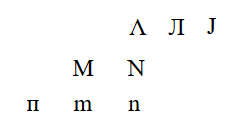
I didn't need to put it into png form, but I thought it would be something larger, with arrows,
here I can explain that both N & Λ are lingual halves of M. Maybe thye're literally two halves, showing how the M spreads, Λ is a leg, hence L is also leg, it is whether leg on its knee, or it's a leg with a foot, l
Λ is also legs (it looks like the lower (Λ is for low alright) half of the body
is up . .
U ← head
П ← torso
or is П also showing legs, and thus UП is on his feet? with hands up? or are those spear and sword or spear and shield?
were KN added to the same line as L? as knees for legs?
А
Б
В
Г
Д
Е
Ё
Ж
З
И
Й
К
Л
М
Н
О
П
Р
С
Т
У
Ф
Х
Ц
Ч
Ш
Щ
Ъ
Ы
Ь
Э
Ю
Я
Ace And
Base
Case
Does
E Et
F
G
H
I И
J
K
L
M
N
O Ocus was in old irish, now it's Agus (and is, and na)
P
Q
R
S
T
U Und
V
W
X
Y Y
Z
Many words for & start with vowel, in different languages.
And there is a different set:
-que, καί, च and probably russian да is among them. and maybe these are of 's, while those others are 'и, and basically they're just connectors, whichever way you show it, as S, или И
In irish "and" is "is" and "ná", which is very close to russian "и" and "да"
O-row is whether irish or hebrew:
Hebrew & Aramaic: The literal word for "and" is the single-letter prefix ו (Vav). It is usually pronounced ve- (e.g., ve-ha'aretz). However, under specific phonological conditions—namely, before words starting with the labial consonants (B, M, P) or words starting with a vocal sheva—the prefix undergoes a dramatic sound shift and is pronounced U- or O- depending on regional historical pronunciations (like Mizrahi or Tiberian Hebrew traditions).
צרפת וספרד (France and Spain [церафат у сфарад (but maybe g.t. reads it wrong? also u? it sounds hebrew enough, not as a robot at all; g.ai disagrees and tell that g.t is wrong, that it's v in there)])
v in hebrew
'n' in english
ν[n] in greek
v in russian (b in hebrew)
in in english
ν[n] in greek
Why don't Г and T play any game? If anything, Г is voiced and should be the double, unless it was K and T seemed longer than that, but no, the pair Г T is breaking the code I felt in there.
Unless T is half a П. and is Г too?
E F Г I
E F Г Ͱ I
у берёзы лист на ёлочку похож.
что если Б значит лист, а ёрч в слове Бёрч (birch) означает ёлочку?
тогда в берёза ёлке соответствует ерёза
трава одного корня с tree?
дерева древа дрова? grower?
strong от слова string?
в смысле подтянут? тянут? мышцы стрингами назывались? прухинами, рессорами
мощцы
жилы (иногда мышцы жилами называют, а сухожилия их связывают вроде)
(и в качестве струн жилы натягивались же? в смысле сухожилия? или лишь кишки?)
Ass Boots Calves Dick
becase shin and rosh are at the other end
Enteron Waist Грудь, в том смысле что неизвестен не язык ни вообще гничего, ни состав второй строки.. погоди, я прекрасно знаю состав второй строки
E F Г I and these are enough for the sequence, Ͱ the h could be used instead of Г, but now it is mostly forgotten, and Г also doesn't stand in that line, not even in greek or russian.
The modern sequence is E F Г Ͱ I though (e f g h i)
that positionals speak that Г & Ͱ are the same letters, hence Hitler is Гитлер
But that's a graphical logic, there's also phonetic logic:
if F is [f], then it's pair is Ͱ [h]
if F is [w], then it's pair is Г the G the dʒ the ʒ the Ж and in russian Ж is followed by З, which is Z and Ζ is in that very line, only in the other position, which may be an indicative that russian position is correct (greek position of it screams of the Zeus taking over θεά. And in russian they say we do not know Ф, which makes me wonder if they tried to make us forget Фея. Did we pray to фея? This word gives me goosebumps) E В Ж З как фрикативное отзеркаливание строки А Б Г Д
Why would greek ΑΒΓΔ became all frecative? Some consonant-shift of whatever they like to come up with.
ΑΒΓΔ (100% voiced; historically 100% plosive, currently 100% fricative)
ΕΖΗΘ (2/3 voiceless; 100% fricative)
ΙΚΛΜΝΞ (60% sonorant)
ΟΠΡΣΤ (75% voiceless, 50% plosive)
ΥΦΧΨΩ (100% voiceless, 100% fricative)
So, if we check greek regardless of other alphabets, we have three points of reference:
the first line, in two faces though
the third line, also mostly sonorants, though an additional anomaly was added to it; which may say that greek developed out of western scripts and not the other way around.
But history tells, that Greeks never conquered Rome, it happened only the other way around. Well, maybe Rome was their golem. Maybe Etruscans knew how they presented Greeks with the alphabet, and that Iberia was not in Sakartvello, but in Spain, and then what? Then Greeks sucked them. sacked.
merely speculations, but that's what
though is in general.
απολύω (apolyō) unbind, send away,
sackbut ai tells that linguists do not link Apollo to that word
in hebrew goddess is אֵלָה and אֲלִילָה [элла́] and [али́ла]
אֵלָה in the context of some cuneiform Ana for goddess, 𒀭 is read as both ilum (god) and iltum (goddess)
אֲלִילָה in the context of sumerian Inanna tells that L ~ N
и то что по русски Анна это она, а на японском они значит демоны, это тоже имеет отношение к божественной антонимии (может быть и совпадением, но я исхожу из того, что могут и не быть)
Книги древних не пропали, они были уничтожены. И сегодня фундаментом нашей цивилизации положена ложь написанная теми, кто те книги уничтожал.
А значит забей на историю, сфокусируйся на будущем, в него то мы идём не благодаря историческим хроникам, а вопреки им.
(хроникам в обоих значениях, многие из исторических фигур хронические алкоголики)
(в чём может быть
и причина их бычки)
bas in the context of ass tells me that b is a prefix, Bas is Внизу
Ace is туз который в русском означает также asshole
B была первой буквой. Ass это неприлично, и ..
BaCe were bas and base spelled like that?
X Y
Z
S T U V W
L M N O P Q R
G H I J K
D E F
B C
A
is XYZ HÆΔ
either way, thus it looks way more christian
I told you christianity's roots are in the culture of those who invented alphabets
QR at the cor's (heart's) side
but no, it's on the opposite side.
QR would make sense as cor, if R wasn't Right
(heart is on our left)
But for surgeon it is in his right.
And when they fight the beast, they hit it with their right arm exactly because of that.
And is it why they heach us all to use our right arm? To kill for real.
That shape looks like an upside down teardrop,
but it also looks as ♡ with they Y making the inlet.
It would look even more like ♡, if greek Υ was instead of U and
S T Y V X
L M N O P Q R
G H I J K
D E F
B C
A
something archaic as this, but then it wouldn't get J as a separate letter
it could have samehk in that IO interval instead
S T Y V X
M N Ξ O P Q R
G H I K L
D E F
B C
A
and placement of M to it's labial column could regain the L - R symmetry:
S T Y V X
L N 𐌎 O P Q R
G H I M K
D E F
B C
A
With greek I don't know how to play,
first of all, it only lays into this thing if Η is considered consonant,
as it used to be in antiquity and beyond:
Α
Β Γ
Δ Ε Ζ
Η Θ Ι Κ Λ
Μ Ν Ξ Ο Π Ρ Σ
Τ Υ Φ
Χ Ψ
Ω
I don't even feel like writing it upside down, because what it gives?
Though if it's reversed, Ω is head, which it looks like:
Ω
Χ Ψ
Τ Υ Φ
Μ Ν Ξ Ο Π Ρ Σ
Η Θ Ι Κ Λ
Δ Ε Ζ
Β Γ
Α
Let's play with etruscan from Marselliana Tablet:
S T U V W
L M N O P Q R
G H I J K
D E F
B C
A
is XYZ HÆΔ
either way, thus it looks way more christian
I told you christianity's roots are in the culture of those who invented alphabets
QR at the cor's (heart's) side
but no, it's on the opposite side.
QR would make sense as cor, if R wasn't Right
(heart is on our left)
But for surgeon it is in his right.
And when they fight the beast, they hit it with their right arm exactly because of that.
And is it why they heach us all to use our right arm? To kill for real.
That shape looks like an upside down teardrop,
but it also looks as ♡ with they Y making the inlet.
It would look even more like ♡, if greek Υ was instead of U and
S T Y V X
L M N O P Q R
G H I J K
D E F
B C
A
something archaic as this, but then it wouldn't get J as a separate letter
it could have samehk in that IO interval instead
S T Y V X
M N Ξ O P Q R
G H I K L
D E F
B C
A
and placement of M to it's labial column could regain the L - R symmetry:
S T Y V X
L N 𐌎 O P Q R
G H I M K
D E F
B C
A
With greek I don't know how to play,
first of all, it only lays into this thing if Η is considered consonant,
as it used to be in antiquity and beyond:
Α
Β Γ
Δ Ε Ζ
Η Θ Ι Κ Λ
Μ Ν Ξ Ο Π Ρ Σ
Τ Υ Φ
Χ Ψ
Ω
I don't even feel like writing it upside down, because what it gives?
Though if it's reversed, Ω is head, which it looks like:
Ω
Χ Ψ
Τ Υ Φ
Μ Ν Ξ Ο Π Ρ Σ
Η Θ Ι Κ Λ
Δ Ε Ζ
Β Γ
Α
Let's play with etruscan from Marselliana Tablet:
𐌀 𐌁
𐌂 𐌃
𐌄 𐌅 𐌆 𐌇 𐌈
𐌉 𐌊 𐌋 𐌌 𐌍 𐌎
𐌏 𐌐 𐌑 𐌒 𐌓 𐌔 𐌕
𐌖 𐌗 𐌘 𐌙 and, it doesn't go axial:
𐌄 𐌅 𐌆 𐌇 𐌈
𐌉 𐌊 𐌋 𐌌 𐌍 𐌎
𐌏 𐌐 𐌑 𐌒 𐌓 𐌔 𐌕
𐌖 𐌗 𐌘 𐌙 and, it doesn't go axial:
𐌀
𐌁 𐌂
𐌃 𐌄 𐌅
𐌆 𐌇 𐌈 𐌉 𐌊 𐌋 𐌌
𐌍 𐌎 𐌏 𐌐 𐌑
𐌒 𐌓 𐌔 𐌕
𐌖 𐌗 𐌘 𐌙
𐌁 𐌂
𐌃 𐌄 𐌅
𐌆 𐌇 𐌈 𐌉 𐌊 𐌋 𐌌
𐌍 𐌎 𐌏 𐌐 𐌑
𐌒 𐌓 𐌔 𐌕
𐌖 𐌗 𐌘 𐌙
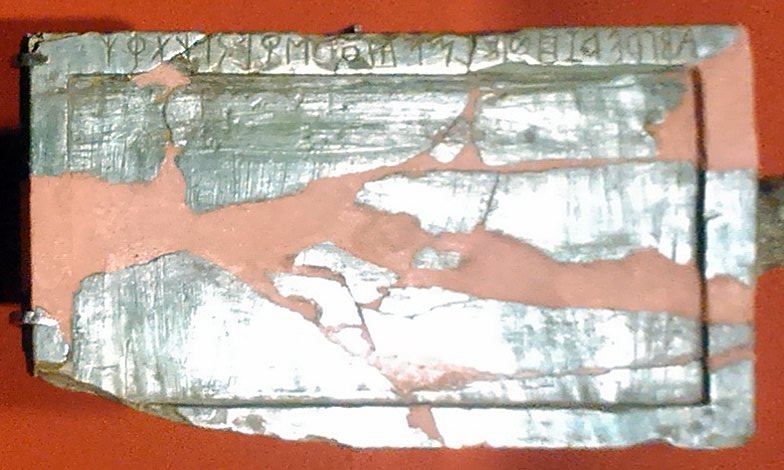
and another one:

Interesting, they messed 𐌗 drawing another 𐌔 instead of it. I wonder what could that be.
that 𐌗 is tranaliterated as ks and s̽
It could be stuck into the axial symmetry, if 𐌖 was consonant, but it is never recognized as such.
And lineal structure doesn't suggest it being such.
So, whether axial symmetry is not the reason for sonorant disarray, or these etruscan artefacts are fabrications. Maybe even performed by romans to reform etruscan and see if those who know the underlying structure appear with protests, then they would be assasinated or something.
That's some historic conspiracy, some of the worst forms of them. But then the question is does it make sense. Not much, it's only a speculation, no better than some dark energy and such.
интернеты доставляют:
Предположим: существует некая картинка с изображением животного, а под ней надпись - CBN.
Кто-то прочел ее как КАБАН, а кто-то как СВИН
Жуз (каз. жүз — «сотня» или «часть») — это исторически сложившееся территориально-племенное объединение казахских родов.
В казахской традиции выделяют три жуза, каждый из которых занимал определенные регионы и играл свою роль в экономике и политике:
1. Старший жуз (Улу жуз)
• Расположение: Южный Казахстан и Семиречье.
• Основные племена: дулат, албан, суан, шапрашты, жалайыр, канлы, сиргели, ошакты и др.
• Специализация: земледелие, оседлое хозяйство, ремесла и торговля вдоль Шелкового пути.
2. Средний жуз (Орта жуз)
• Расположение: Центральный, Северный и Восточный Казахстан.
• Основные племена: аргын, найман, кыпшак, конырат, керей, уак.
• Специализация: кочевое скотоводство, а также традиционно высокое число поэтов (акынов), мыслителей и ученых.
3. Младший жуз (Киши жуз)
• Расположение: Западный Казахстан.
• Основные племена: объединение алшын (адай, кердери, алаша, байулы, алиулы и др.), табын, жагалбайлы и др..
• Специализация: кочевое скотоводство в степных и полупустынных зонах, позднее — развитие промышленности (нефть, газ, металлы).
Помимо трех жузов, в казахском обществе существовали особые сословия, которые не входили в родоплеменную структуру жузов:
• Торе («белая кость») — потомки Чингисхана, только они имели право занимать титул ханов.
• Ходжа — потомки первых проповедников ислама и сподвижников пророка.
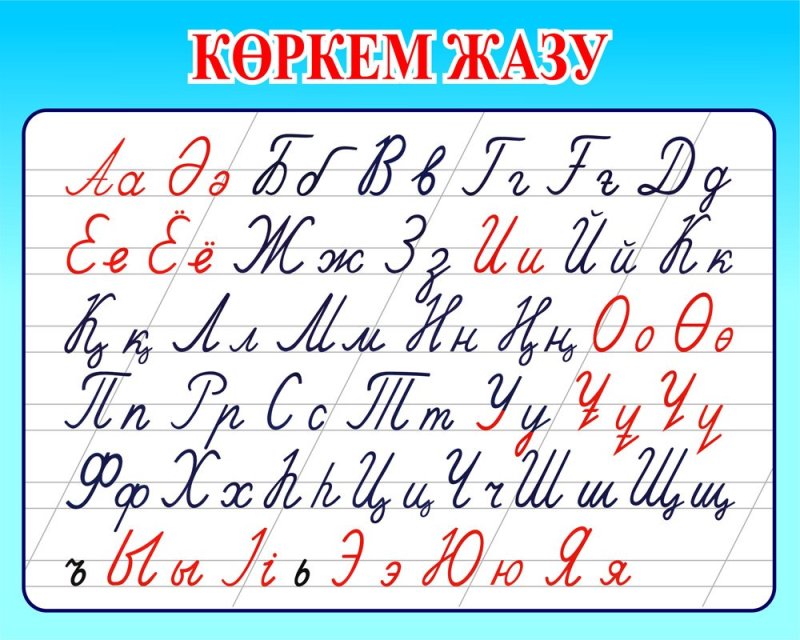
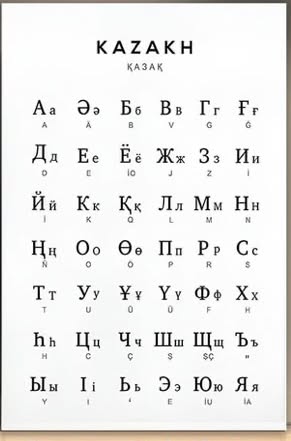
You can see in it how alphabets expand, how letters are placed next to those they remind the most.
(the other tradition (as in georgian and arabic) is to add letters after the common corpus of letters)
Naturally, it is influenced by russian alphabet, and fell even further from grace than the russian, and lays neither into lineal nor into axial symmetries.
IPA.png)
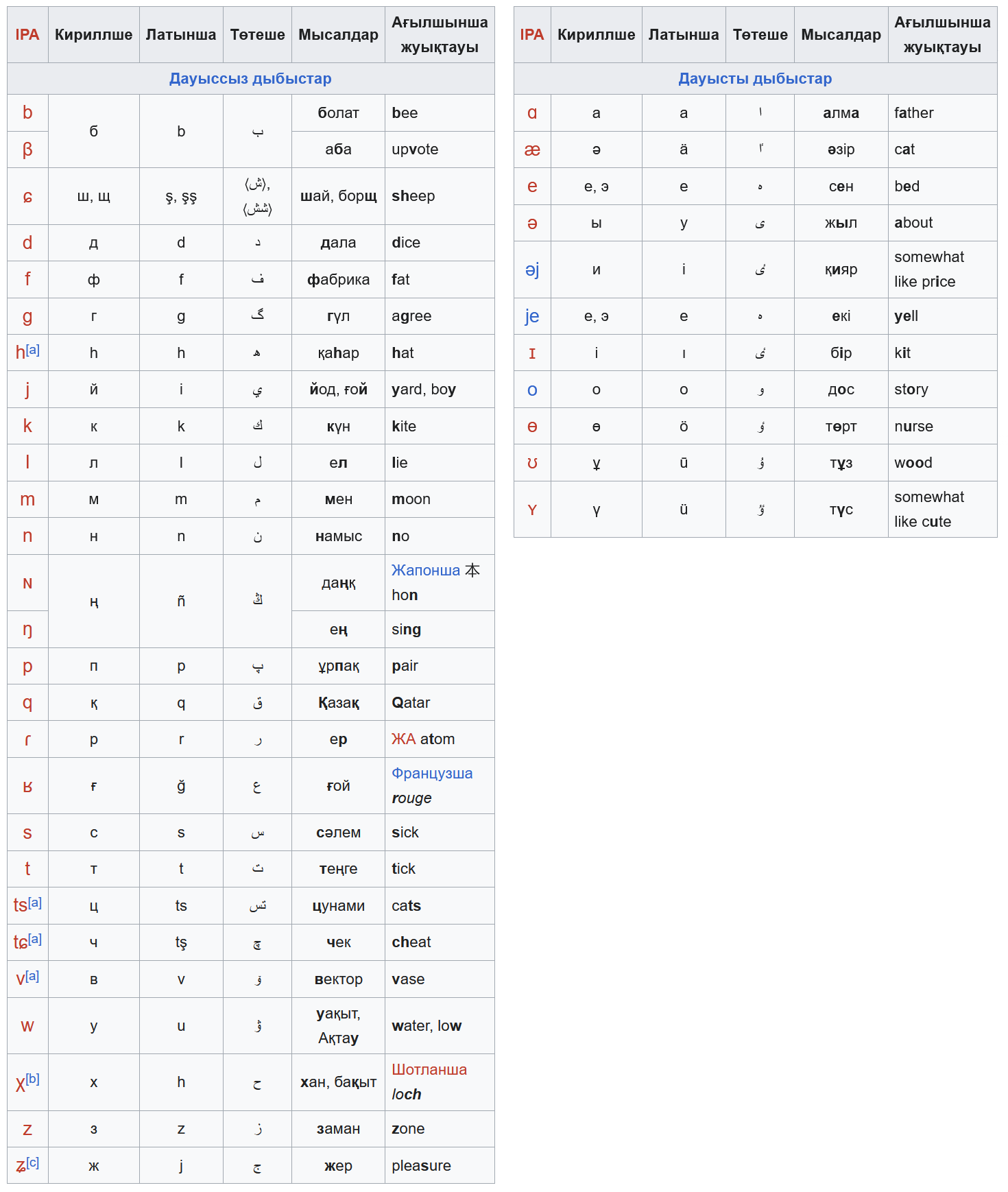
Kazakhs use и as open i, as a dyphthong,
and in it j is not й, it's ж, like wtf? is it IPA or not?
Obviously not: palatal approximant, I guess it's й:
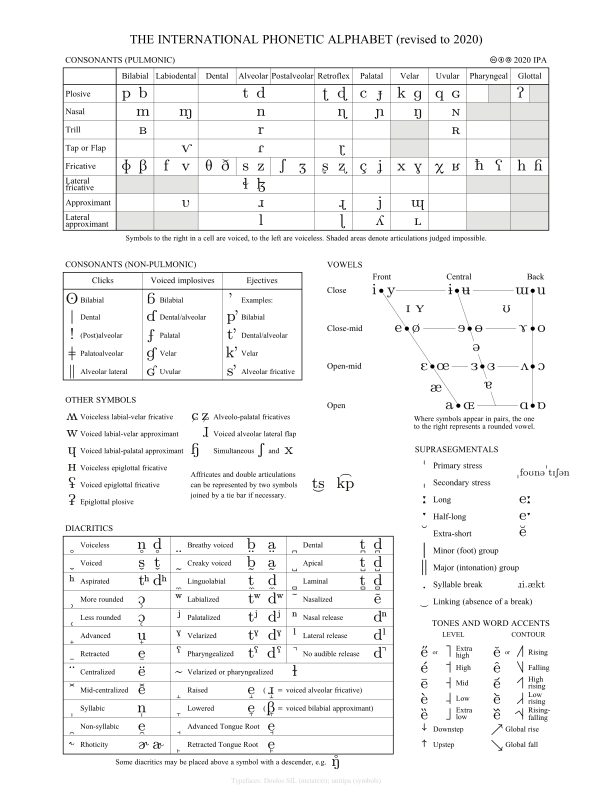
At first I was "where's w?" but then: wtf.
Labial-velar approximant? Wtf is velar about w?
am I the kid who dares to say that the kings are not only nude, but also in shit.
(and, naturally, they can retort with my own shit. I should be thankful to them then. But will this gratitute not prevent my point from coming through? If it will, then the audience are not very bright, but then my own task is to make the point so that it would come through.
спешить (самому)
торопить (других)
торопить ~ тормошить ~ turbulate to shake, to bother, to worry
спешить ~ с пешки переходит на бежку.
бег более звонкая форма слова пех.
бёг более звонкая форма слова пёх.
веду более звонкая форма лова петляю? пищу? пизжю?
беда более звонкая форма слова песда?
море более звонкая форма слова wall? воля? поле!!!
рожа более звонкая лоша? что? лицо!!!
роза более звонкая форма слова лоза? лоса? что? лотос?
то, как р имеет более слабую форму в виде лю говорит что радел з разделение
(это з и подобные ейй всегда напоминают дарью из мультика, которая мяч отбивает, когда он уже пролетел) было не между звонкими и глухими, а между сильными и слабыми формами фонемы.
лизать это мягче чем резать, но река какую слабую пару имеет? суха слишком далека фонетически, но я попробую с как слабую форму р, благо они рядом стоят в алфавите.
поле ~ посе(в)
вера ~ faith.. оччень интересно
перехолд меж сильными и слабыва слабыми формами носит не антонимический, но синонимический характер.
горит голит колит холит холодит
голит ~ холодит?
голит ~ cold?
голит ~ хочет (оголяет как более звонкая форма хочет (снять с женщины что-нибудь как форма флирта. помощь с пальто простя поэтому? чтоб и шапочку снял или шарфик нежно))
yeah буквально "не ах", и это японское не, iie. Откудо оно здесь? универсально, как не.
но у Высоцкого "не ах" это именно что ах, крах, потому что такое у этого словосочетания значения: "не ахти какой" удивительное слово Ахтительный — устаревшее или диалектное слово, означающее «восхитительный», «незаурядный» или вызывающий восклицание удивления («ахти!»). (я, русский, его и не знал, но я знаю ахуительный, и сходство слишком велико: T~U)
Russians and Kazakhs have that mindfuck of first learning Ш and Щ as a pair, that the attached comma palatalizes it, but then they meet the same attached comma in Ц, and the closest to the un-comma-ed Ц is Ч (see several pages above, the first image of Kazakh alphabet chapter, there it is in cursive, see those Ц and Ч, see how similar they are. And the mindfuck is that in the pair of Ц Ч the more palatalized letter is Ч. And only now can I see that maybe Ч is what one gets, if he adds that attached comma to Ц.
But what is the original shape them? then? What is the un-comma-ed Ц?
Т would make perfect sense, but I never
saw a T in that U-like shape.
U could? I also recall hungarian rune for T:
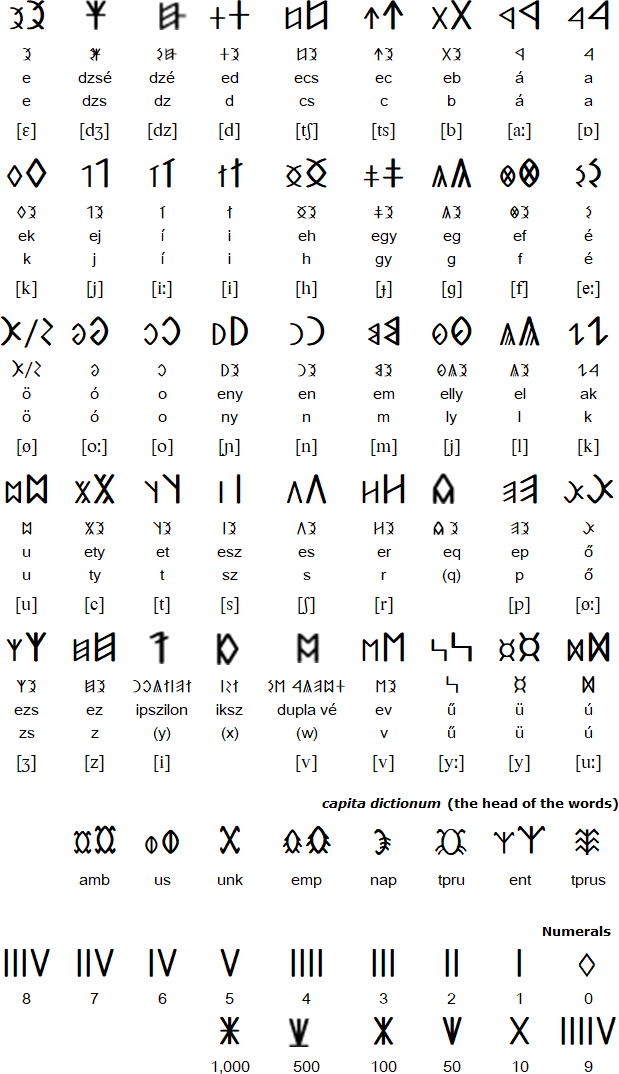
That's the closest to U-like T I can come with,
thus I couldn't come witht U-like T.
even though they meet a lot: T ~ U
U could? I also recall hungarian rune for T:
That's the closest to U-like T I can come with,
thus I couldn't come witht U-like T.
even though they meet a lot: T ~ U

Looking at this parcel of hungarian rovas,
(oh wow, this i reminds イ so much it's crazy)
I see how similar the sequence to that of the european alphabets,
it's only as if they added many additional letters to the european set,
but even then they didn't make it before M was moved off the post-vowel position.
that unk symbol isn't even in the previous image
this l~j thing right in front of M supports the ΛΜΝ being ɅΜΝ hypothesis
and notice how what previous l, which is not j, looks like archaic A,
and m looks like B, and n looks like C (the shapes are reversed, because the direction of the script is reversed. And it continues: another form of n is D, but not reversed this time, which maybe tells that it is d, which it is, and thus opposes b. Wild, man, wild.
And this case of mn being similar to BC reminds me of georgian მ ნ [m n] in the land of confusion with ბ გ [b g]
p looks like F
At first I was confused by wiki, when it said that hungarian rovas are a form of turkic runes, but then I looked closely and the two do have some similarities, especially among vowels:
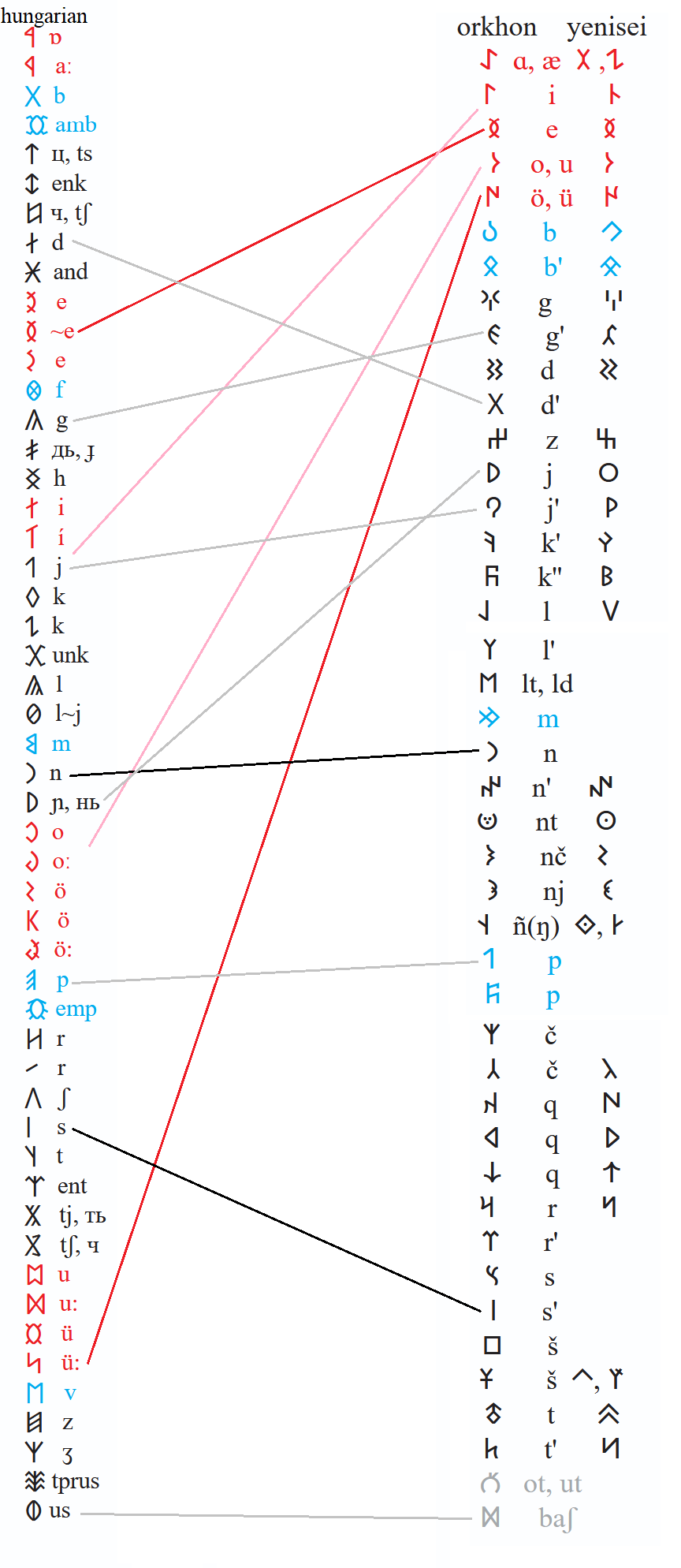
Black and red lines connect runes with the same graphic and phonetic sides (but now I can see, that ü is turned the other side) and grey and pink lines connect runes, which have some similarity, but cannot be considered the same glyph: just as us and baʃ are only slightly similar graphically: both consist of two equal halves; and only slightly similar phonetically: both start with labials and end in voiceless fricatives. Somewhat similar are p's, only in hungarian it has three strokes attached to the stav, while in turkic script there's only 1 (but both one and three are odd, not that it would stop me if they were the other way around)
𐰇𐰣𐰾 would be read the same way in both turkic ur runes j and hungarian rom o rovas
• 𐰾 (s²) – The consonant S, used specifically with front vowels.
• 𐰣 (n¹/n) – The consonant N.
• 𐰇 (ü/ö) – The front vowel Ü or Ö
and I forgot another letter: 𐰅
The character 𐰅 is the Old Turkic Letter Yenisei E in the Unicode standard
Here they're only given in old-turkic, because old hungarian isn't working in thi s os.
(on the computer
I'm working at)
This set seems to be the mid-ground between three mothers
of sefer yetzirah, and 7 letters of the greek legend. It
is a legend now, legendaary truly, true.Is greek 7 letters a combination of the jewish myt legend and greek legend. Legend is a more noble word, no silly connotation. Homonyms are sloppy language. Or do they say that they're the same word? The very same word. Whether it mutated so or borrowed that way was whether because some inner logic demanded it to go that way. Unknown is not unknowable.
Oh wow, I found a new punctual punctuation mark. a tab.
𐰅 [e]
𐰣 [n]
𐰾 [s]
𐰇 [Ѹ (ѹ)]
what was the word? сено? унёс? сну-сну? е-е!
Graphically they're 𐰣 [n] and 𐰾 [s] similar to cunieform cuneiform 𐎂[g] 𐎓[o]
g and s meet, jsut as in c they did. thus 𐎂 is c, Г as it looks in russian cursive majuscule:
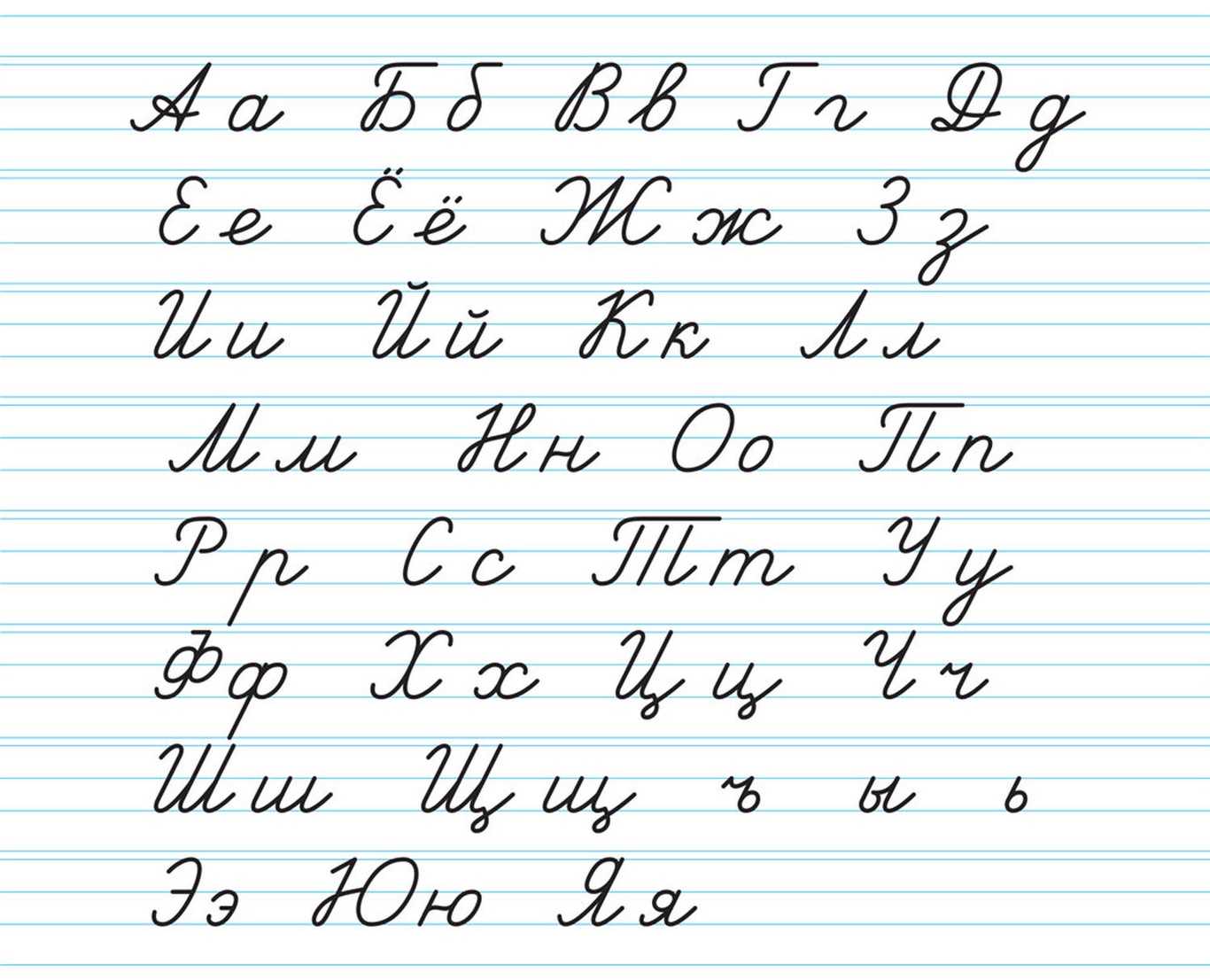
here Г is in sequence with П and Т, but that doesn't make much sense in the sense of this theory, unless Г used to be vowel, which I seriously doubt. And semantically they also make only tiny sense: Г as in Гаплоидный (compare to Диплоидный, but I seriously doubt that Г is there for one) П as in Пара, Т is simple, that's in Three the Три.
If Г is for Haploid, H is way closer to a vowel, but seriously, that's an instant mindfuck, especially because in some forms of russian script г looks exactly like i, which is just wtf:
Some forms are serbian:
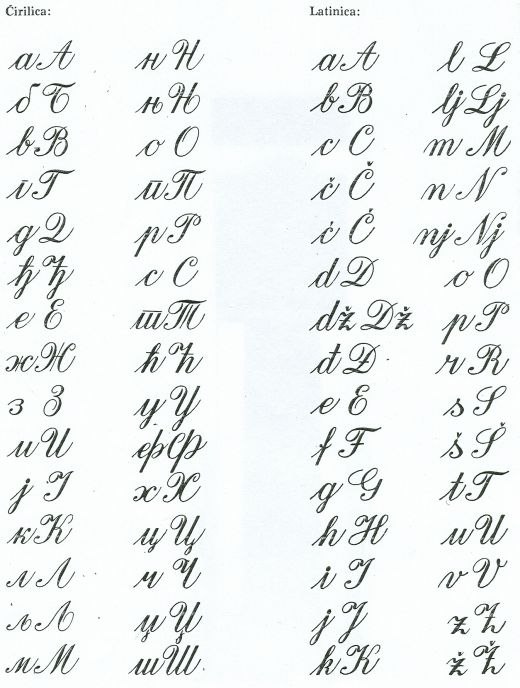
in these even minuscule гпт make a sequence and that sequence is different from the one гпт are making. Like very strange alphabet, so many questions, like why..
and such forms of "russian" script is used in other alphabets of Yugoslavia. Here's macedonian:
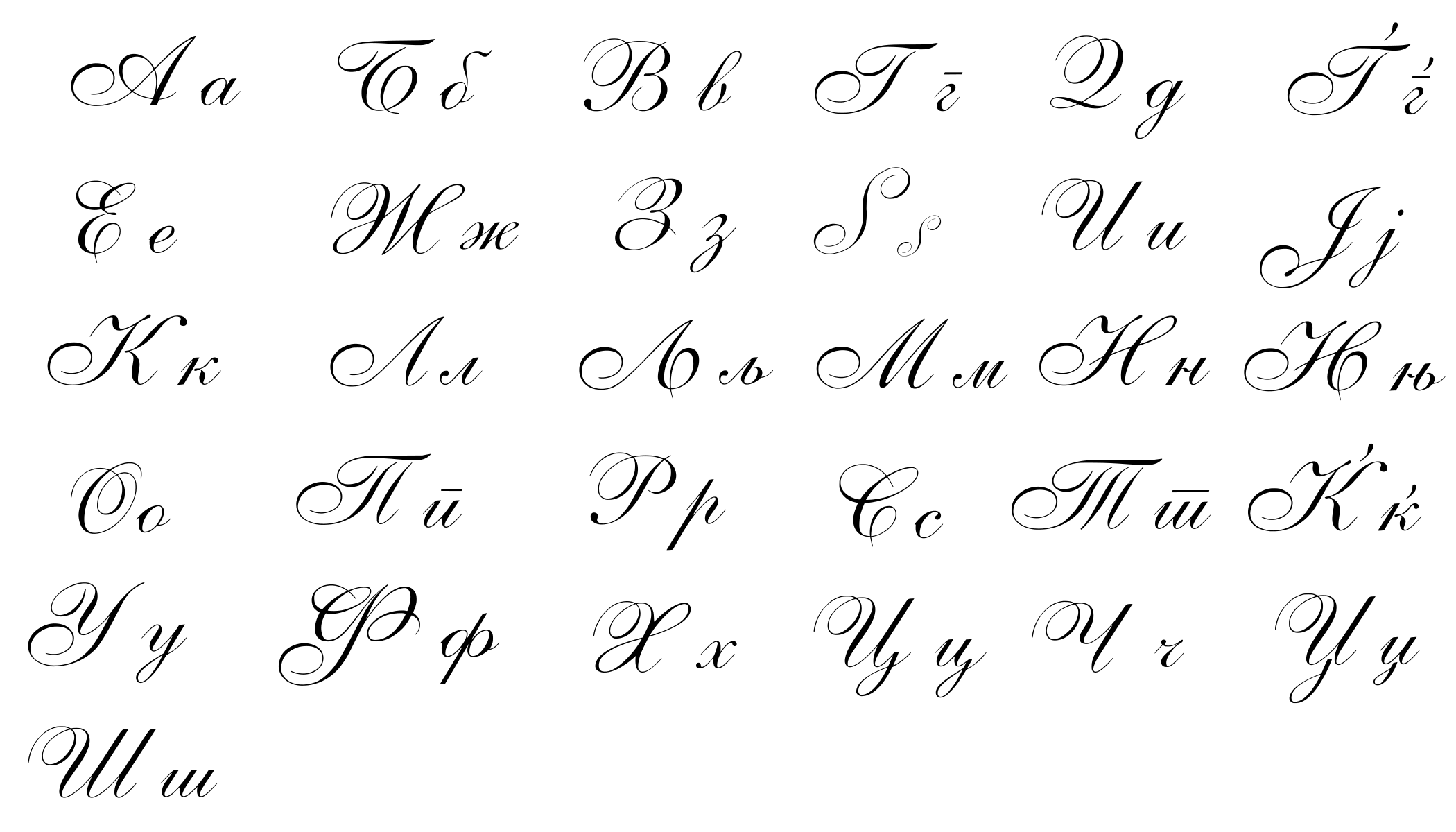
черногорский также использует кириллицу, но рукописную черногорицу хрен найдёшь, потому вот вам:
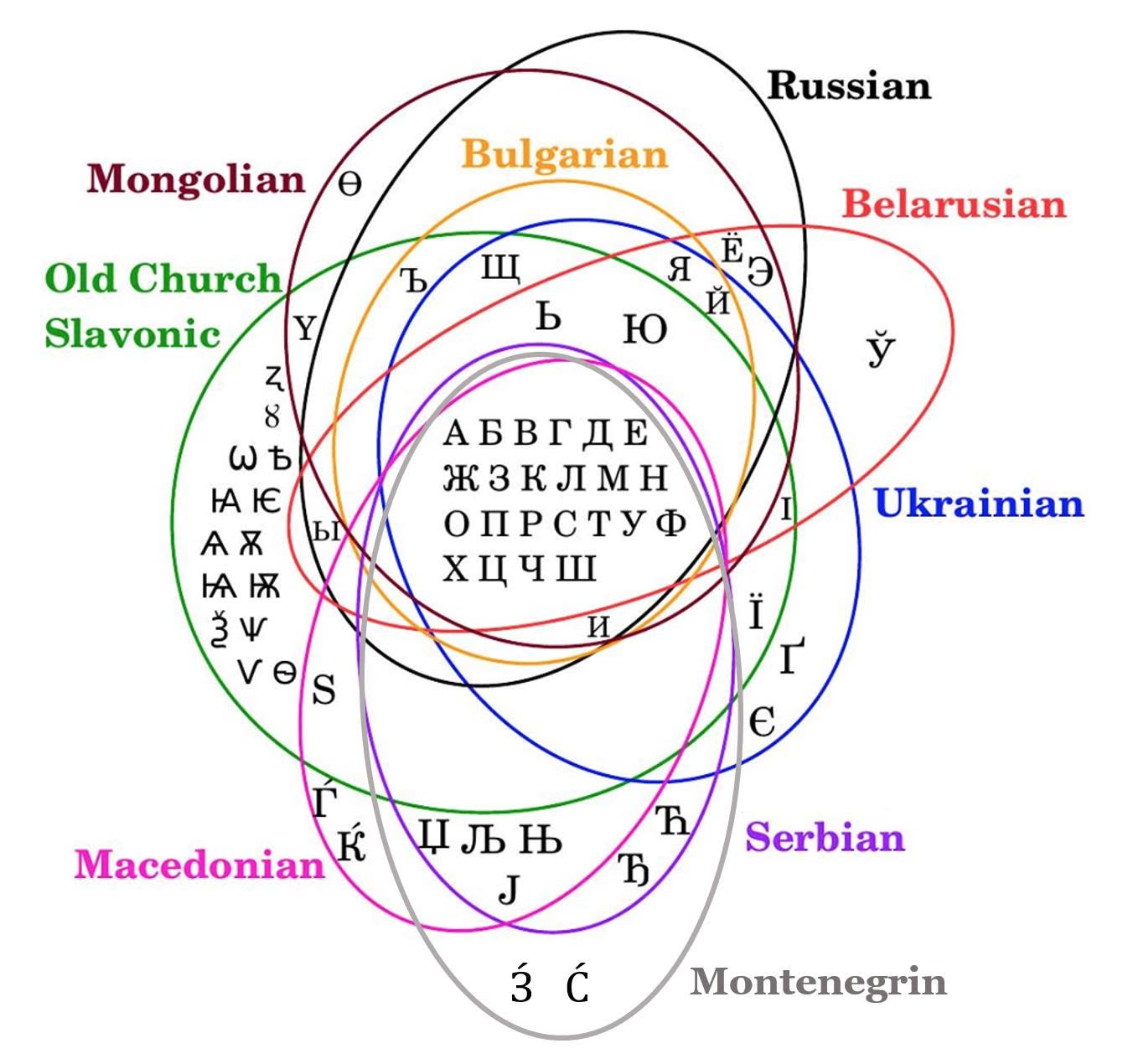
anyway, back to the 𐰣 [n] ~ 𐎓[o]:
n and o are only close in the alphabet, in phonetics they're almost as different as can be.
in graphics they're not that different though: o can be ɔ, which is pretty much the same shape as n, just rotated further. and let's revisit the ɔucn thing. the four are vowel, labial, velar, coronal. [o w k n]
as in word окно?
ок? очен очей?
ок как в окуляр.
ок? очен очей?
ок как в окуляр.
окуляр от слова око?
;latin: oculus, ocellus, acies,
(в греческом когнат не нашёл)
око старославянский
глаз древнерусский
В этом мы похоже на японцев с их использованием китайских слов.
;latin: oculus, ocellus, acies,
(в греческом когнат не нашёл)
око старославянский
глаз древнерусский
В этом мы похоже на японцев с их использованием китайских слов.
В русском К там где в греческом М:
ὄμμᾰ • (ómmă) n (genitive ὄμμᾰτος); third declension
(chiefly poetic) eye
Synonyms: ὄσσε n pl or n du (ósse), ὀφθαλμός m (ophthalmós), ὤψ f (ṓps)
the eye of heaven; i.e. the sun
(generally) light
(figuratively) that which brings light
(figuratively) anything dear or precious, as the apple of an eye
the face or human form
Synonym: ὤψ f (ṓps)
an eye-hole in a helmet
ии сказало, что это когната слова око:
В праиндоевропейском языке-предке существовал корень *h₃ekʷ- (видеть, глаз). Звук kʷ — это особый лабиовелярный звук (что-то вроде одновременного «к» и «в»).
• В славянских языках этот сложный звук упростился в обычный «К» — так получилось наше слово «око».
• В греческом языке этот же звук перешёл в «П» или «Т» в зависимости от гласной после него. Поэтому греческий корень для глаза звучит как оп- или опт- (отсюда слово оптика).
2. Откуда же взялась буква «М»?
В греческом языке от корня оп- захотели образовать существительное со значением «результат действия» или «инструмент». Для этого в языке использовался популярный суффикс -μα (-ma).
При сложении корня и суффикса получилось слово:
ὄπ-μα (op-ma) — буквально «то, чем смотрят» или «взгляд».
Но древним грекам было неудобно произносить два губных звука «П» и «М» подряд. В фонетике греческого языка существовал строгий закон: звук «П» перед «М» полностью уподобляется ему и тоже превращается в «М» (это называется регрессивной ассимиляцией).
• ὄп-ма превратилось в ὄмма (omma).
3. Путь к современному слову
Уже от этого слова ὄмма греки образовали уменьшительную форму ὀμμάτιον (ommátion — «глазок»). Время шло, язык стремился к упрощению, первая часть слова отвалилась, и в современном греческом языке осталось знакомое туристам слово μάτι (mati) — глаз.
Резюме:
В русском языке остался чистый исторический корень (о-к-о). В греческом же языке исторический корень (оп-) столкнулся с суффиксом -ма, и звук «П» растворился в звуке «М», полностью изменив облик слова.
Вам интересно узнать, как этот же индоевропейский корень *h₃ekʷ- превратился в английское слово eye или немецкое Auge? Там произошли не менее удивительные мутации!
is it about п and c, I wonder. Is it related to japanese п being of h...
ðθ
" 𐰾 (s²) – The consonant S, used specifically with front vowels." сь"!
(were those rather persistent " telling me to insert those "'s or was it just a neighbouring key?)
song and sound as wrong and round (we go back when we took a wrong turn, but is it enough to make them cognaties.
eunuch is enought? you can fuck with him. that you cannot make hims a father, well, too bad, but that's enough.
funk and found
song is sound
funk is found
wank is wound [wэнк ис wаунд]
wound[wund] and wound [waund] are homograph, which is also sloppy. Or does it try to tell us that wound [wund] is a form wound [waund]?
wind is also of homographs:
wind[wind] ветер
wind[wайнд] мотать, наматывать, извиваться
а значит лучше строчка:
wank wound
see, how silly it is to be a foreigner: everybody will laugh at you and you do not know why.
and though wank is a dick, wang was the word, and though want ..what? wank and wang are cognates (you want wank the wang)
wang wound
is the common word want just a form of wank? which is of wang?
wank is wound
wang wound
(this rhyme is
not even the same word, those are homonyms, one is pp,
the other is past simple)
ⰋⰔ ~ ИS
Sometimes he and her are reduced to i and ö.
and it makes me wonder if ɪ is dick, and o is vagina; and if one dot is the odd and male and if two dots are female and even.
Only arabica have letters with three dots: پ ث چ ژ ش
پ is exclusively persian, and in the sense of this chapter it doesn't make sense, and maybe even exposes, that farsi actually adapted this alphabet after arabs, and thus these letters are not even in their numerical abjad.
Basically, that only ث and ش are in abjad makes perfect sense in the
i ö context: vowel i, sorta labial ö, lingual ث and ش (though they're from different sets, so what am I even doing here?
male i, as in he
female ö, as in her
and there's no need for the third gender
Тем более что в самом арабском нет гласной с одной точкой. Лишь с двумя: ی которая ي
ب ي ث типа бит? или вообще это какая-то неумная идея? х.з. you never know until you do.
Врачи и учителя так воспеваются пропагандой, пара ёбаных бюджетников, получающих зарплату даже если у них не получилось выучить или вылечить. Оба слова имеют ч в них, это далеков не в каждом глаголе.
приартачить
артачиться
присобачить собака
мочить water (ни мот, ни мота, ни мок ни ...мок
хочу? hot (want ~ wank хочу ~ дрочу? (ни хок ни хока ни хот ни хота нет. м.б. ход?))
бычить бык
дрочить дрон?
мучать мука
мучнить мука
отвечать ответ
привечат привет
хочу от ход? хожу ~ хочу
(ходит если человек вокруг, то он что-то хочет внутри)
хочит ~ ходит
want ~ walk
walk is on the want wank side
хочет, а не хочит. может в этом смылс причина того, что в ход д вместо т?
walk это эвфемизм от wank?
wang дрочило
у русских китайцы хуй
у англичан китайцы wang
u v w x y z
у ф х ц ч ш щ
а б в г д е ё ж з и й к л м
a b c d e f g h i j к л м н
w-g (wang)
х-ё (как в хуё-моё)
й is mirrored by k
russian frame shifted. because of Ё? no, because of в, but it's place is the ё-spot, so yes, because of ё
a b c d e f g h i j k l m n o p q r s t u v w x y z
а б г д... что я делаю? концовка всё равно не совпадёт.. делай всё равно
a b c d e f g h i j k l m n o p q r s t u v w x y z
а б в г д е ё ж з и й к л м н о п р с т у ф х ц ч ш щ ъ ы ь э ю я
and they did meet to R because of q not in russian.. And it has led us to the reality in which gnaw~хуй
gnaw ~ fester
хуило ~ глодало:? я понимаю, что речь про фелляцию, но связь не прямая, может быть и апофеничной. Как проверить? Продолжать заниматься этим и повторяемость проявляющие наблюдения явят закономерности.
хуило ~ глодало:?
я понимаю, что речь про фелляцию, но связь не прямая, может быть и апофеничной.
Как проверить?
Продолжать заниматься этим и повторяемость проявляющие наблюдения явят закономерности.
↵ is even better punctuation mark than ⇥
• ⭾ (U+2B7E): Horizontal Tab Key
• ⇥ (U+21E5): Rightwards Arrow to Bar (Tab Key Symbol)
• ↹ (U+21B9): Leftwards Arrow to Bar over Rightwards Arrow to Bar (Tab with Shift-Tab)
• ⇤ (U+21E4): Leftwards Arrow to Bar (Leftward Tab)
смысл ~ смылся? ускользающий!(?)
мысль ~ мылся?
мыться это мысль, но не всякая мысль о мытье, о мытарстве может?
не мытьём так катаньем
это не от мытаря да ката ли
(кат палач (в русском устаревшее))
(в польском палач до сих пор kat)
Мытари моют народ как золото?это не от мытаря да ката ли
(кат палач (в русском устаревшее))
(в польском палач до сих пор kat)
Кат явно когната с английским cut.
Не целенаправленно ли слова меняли? палач тюркское какое-нибудь?
Суффиксом производное от тур. pala «меч, кинжал» (ср. палаш, палица, палка).
мытари мучают?
мытари пытари? писари?
не мытьём так катаньем не от того ли что умереть в их руках человек может либо от пыток либо от палача казнящего (считается, что пытают и казнят палачи, но у них скорей всего разделение труда там, специалисты по дознанию и пыткам, и специалисты по расстрелу или отсеканию)
В "капитан волконогов бежал" именно такое разделение показано.
Но, сегодня, это словосочетание перешло в "не нытьём так катаньем" в контексте ребёнка, добивающегося от матери покупку того что ему нужж ххо хочется (если нытьё не помогло, по полу может покататься)
A B C D
E F G H
I J K L M N
O P Q R S T
U V W X Y Z
but there's a better way to make the pattern obvious:
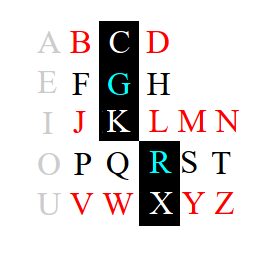
oh wow, why is it larger? I think I copied it from the lines above it.. either way, the exceptions by the voicedness are placed in the centre of the lines, and maybe it is another way to determine where K used to stand:
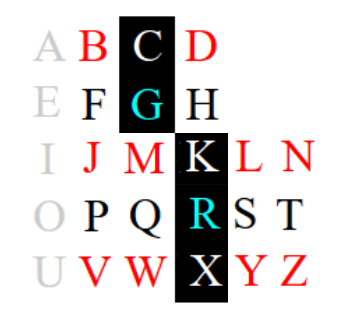
wtf.. like the thing is getting larger and larger.. am I trippin' like wtf
Either way, it deteriorates the velar column even further, and though K now stands above X, it's no good. Also if we play it this rough, we should place M right after I, especially because J is historically a form of I, then K moves back to the velar column, but it's off the centre, so we should sacrifice N or something. Then K has nothing to do among sonorants, R should be there or maybe Ŋ as velar sonorant. Was R velar sonorant? Uvular R is next to velar, so it could be considered such. And who knows if people without uvula can pronounce proper velar R.
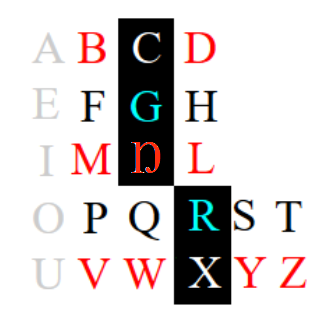
but neither Ŋ nor R are voiceless, so they cannot be exceptions in the I-line, so K is the must if it is a game at all.
So what is the conclusion? It is great as is? Axial symmetry and K-column and the pattern of exception by voicedness the way it exists today overweigh the labial column?
But straight vowel-labila-velar-coronal columns would overweigh the
A B G D
E V J Z
I M N L
O P Q T
U F X S with voiced h in J, with voiceless h in X, with N like Ŋ these 20 would be the overall phonetico-articluatory table
but only archaic (up to T) order lays into the axial symmetry. And thus the question remains if those who knew about the axial symmetry and not the lineal one modified the I-line?
A
B G
D E V
J Z I M N
L O P
Q T
and no wonderB G
D E V
J Z I M N
L O P
Q T
those who knew of the axial symmetry would add V to it
and I wonder if L and P are Levo and Pravo (russian Left and Right
(Р is R in russian, but their pravo is
право)
But are those hands hanging by the sides of the body, or are they raised to the head? That's about that rosh and shin are at the end of the alphabet, and thus axial symmetry would make more sense if it went from bottom up. Tet is head.
.
