йк стоят рядом и часто заменяют друг
друга, что заставляет предполагать, что несмотря на
фонетическое и артикуляционное отличие, они каким-то
образом синонимы:
духовный малкович новоселик (а может и саймак (говорят что правильно симак, но си́мак или сима́к?)) в этих фамилиях суффиксы идентичны, лишь диалектно отличны
знакомыйRU знайомийUA
узел, вязал = въ+за (буквально рецепт вязки)
knit is in and at? in it! k~j (more in vol.32)
greetings from vol.44:
SeeDoBe? K is of S, for both are C. But K is plosive, while Sis is fricative? Well, just as B and V readings of В (also b and v are voiced, while k and s are voiceless. Which makes x a snake, Ѯ)
Isn't Ѯ digraphy кS? But because it looks just like З, I thought it was some form of dz, but it's ks
(what were the chances? is 𓆓 also ks? In russian snake is змея, змей. Which reveals how -k and -й are the same morpheme.
JK is Jesus KristusSW, NO, Jeesus KristusFN
JK is not in italian alphabet, nor in irish.
(were JK reformist addition? protestant against too pagan the alphabet, similar to carving crosses on faces of ancient statues)
C for Christus
G for Gesu (and also for God)
K for Kristus (and also Krshna, btw)
Q for Queen & Quran
X is for Χριστός, Христос.
Grok:
C → Christ (английский), Cristo (испанский/итальянский/португальский)
K → Kristus (немецкий, скандинавские, славянские: Kristus, Krist, Krists и т.д.)
G → Gesù (итальянский), но это от латинского Iesus → Gesù (G здесь от мягкого "дж" звука)
Q → нет реальных примеров в стандартных транслитерациях имени Иисуса
X → только для Christ / Χριστός (как аббревиатура X-), но не для Jesus / Ἰησοῦς
Xmas = Christmas (Рождество)
Xian = Christian (христианин)
Xtian = Christian
IC XC = древняя греческая лигатура
ΙΗΣΟΥΣ ΧΡΙΣΤΟΣ (Иисус Христос), где X = Χ = Christ
Qrist (курист (курящий дудку дядька))
G~J? is it the argument for the J~K thing? I don't know, I got carried out here. Cheers!
九CH [Jiǔ (тьё~тьо)]
九JA [Kyū (ку~кы)]
Решил не плодить сущностей, а создать здесь подраздел I~T (потому что J~I, a K~C~T)
this first example is just an artefact, though I wondered what would it mean, they could have cut that T into I if they wanted. T is for Ten? But 11 and 12 tell, that ten is I. and they count in german manner.
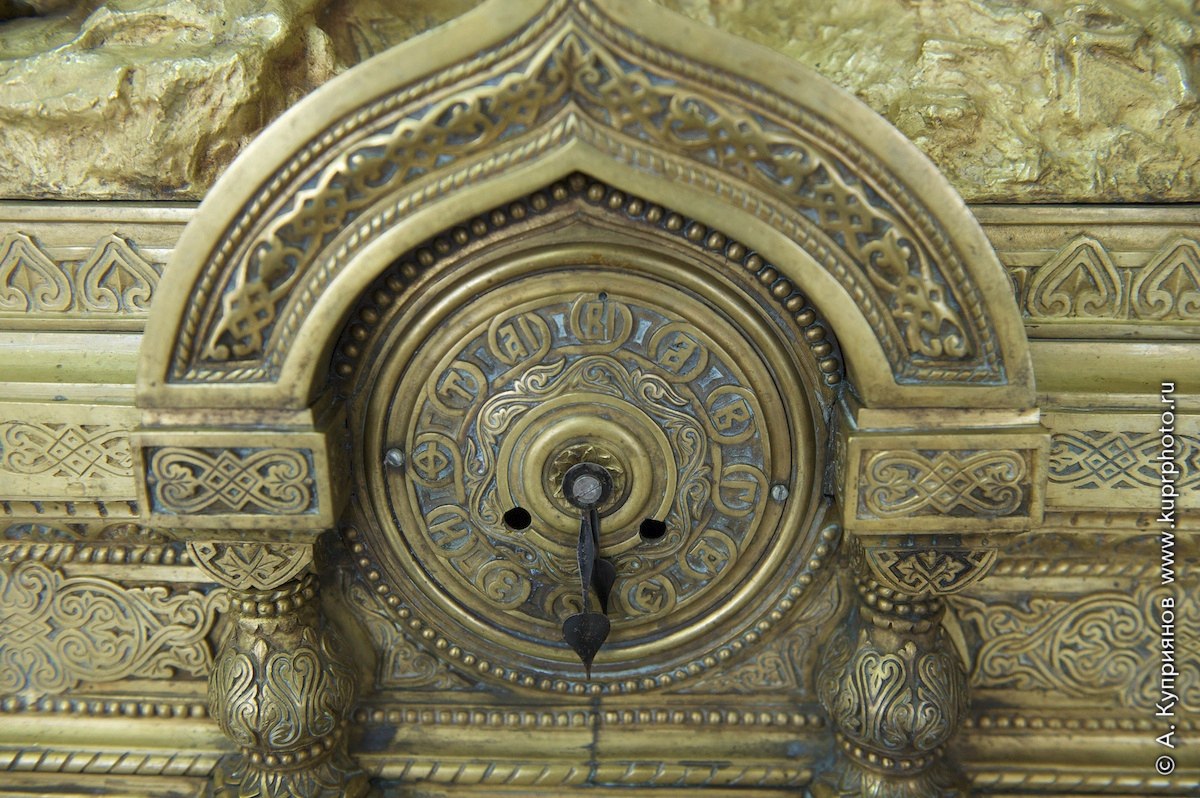
and previous example is just somebody made them so, but how even ancient are such clock?
but there are more examples showing how T could be a consonant form of I,
Шо=Што
духовный малкович новоселик (а может и саймак (говорят что правильно симак, но си́мак или сима́к?)) в этих фамилиях суффиксы идентичны, лишь диалектно отличны
знакомыйRU знайомийUA
узел, вязал = въ+за (буквально рецепт вязки)
knit is in and at? in it! k~j (more in vol.32)
greetings from vol.44:
SeeDoBe? K is of S, for both are C. But K is plosive, while Sis is fricative? Well, just as B and V readings of В (also b and v are voiced, while k and s are voiceless. Which makes x a snake, Ѯ)
Isn't Ѯ digraphy кS? But because it looks just like З, I thought it was some form of dz, but it's ks
(what were the chances? is 𓆓 also ks? In russian snake is змея, змей. Which reveals how -k and -й are the same morpheme.
JK is Jesus KristusSW, NO, Jeesus KristusFN
JK is not in italian alphabet, nor in irish.
(were JK reformist addition? protestant against too pagan the alphabet, similar to carving crosses on faces of ancient statues)
C for Christus
G for Gesu (and also for God)
K for Kristus (and also Krshna, btw)
Q for Queen & Quran
X is for Χριστός, Христос.
Grok:
C → Christ (английский), Cristo (испанский/итальянский/португальский)
K → Kristus (немецкий, скандинавские, славянские: Kristus, Krist, Krists и т.д.)
G → Gesù (итальянский), но это от латинского Iesus → Gesù (G здесь от мягкого "дж" звука)
Q → нет реальных примеров в стандартных транслитерациях имени Иисуса
X → только для Christ / Χριστός (как аббревиатура X-), но не для Jesus / Ἰησοῦς
Xmas = Christmas (Рождество)
Xian = Christian (христианин)
Xtian = Christian
IC XC = древняя греческая лигатура
ΙΗΣΟΥΣ ΧΡΙΣΤΟΣ (Иисус Христос), где X = Χ = Christ
Qrist (курист (курящий дудку дядька))
G~J? is it the argument for the J~K thing? I don't know, I got carried out here. Cheers!
(though I don't drink, why did I say
cheers? Because sometimes I do. And I eat meat, haram)
九CH [Jiǔ (тьё~тьо)]
九JA [Kyū (ку~кы)]
Решил не плодить сущностей, а создать здесь подраздел I~T (потому что J~I, a K~C~T)
this first example is just an artefact, though I wondered what would it mean, they could have cut that T into I if they wanted. T is for Ten? But 11 and 12 tell, that ten is I. and they count in german manner.
and previous example is just somebody made them so, but how even ancient are such clock?
but there are more examples showing how T could be a consonant form of I,
something like J but before J
Чо = ЧёШо=Што
...
