Here I collect all the instances where T and S are the same
and D and C meet the same way, so later I also added that pair into this very file.
In hebrew ת without dot is s (or θ)
In hebrew אמש is three mothers and אמת is truth, and אמנ is true, so אמ is the main part of the word, and in the context of three mothers, two mothers would they be if people knew letters before they knew fire. Before fire everything was more simple: water and earth (вода и земля, два мира этой планеты)
Waters would be our mother into this life and earth would be responsible to send us into another one. Into the world of trees and such? Pretty much.
шесть
secs
sex
six
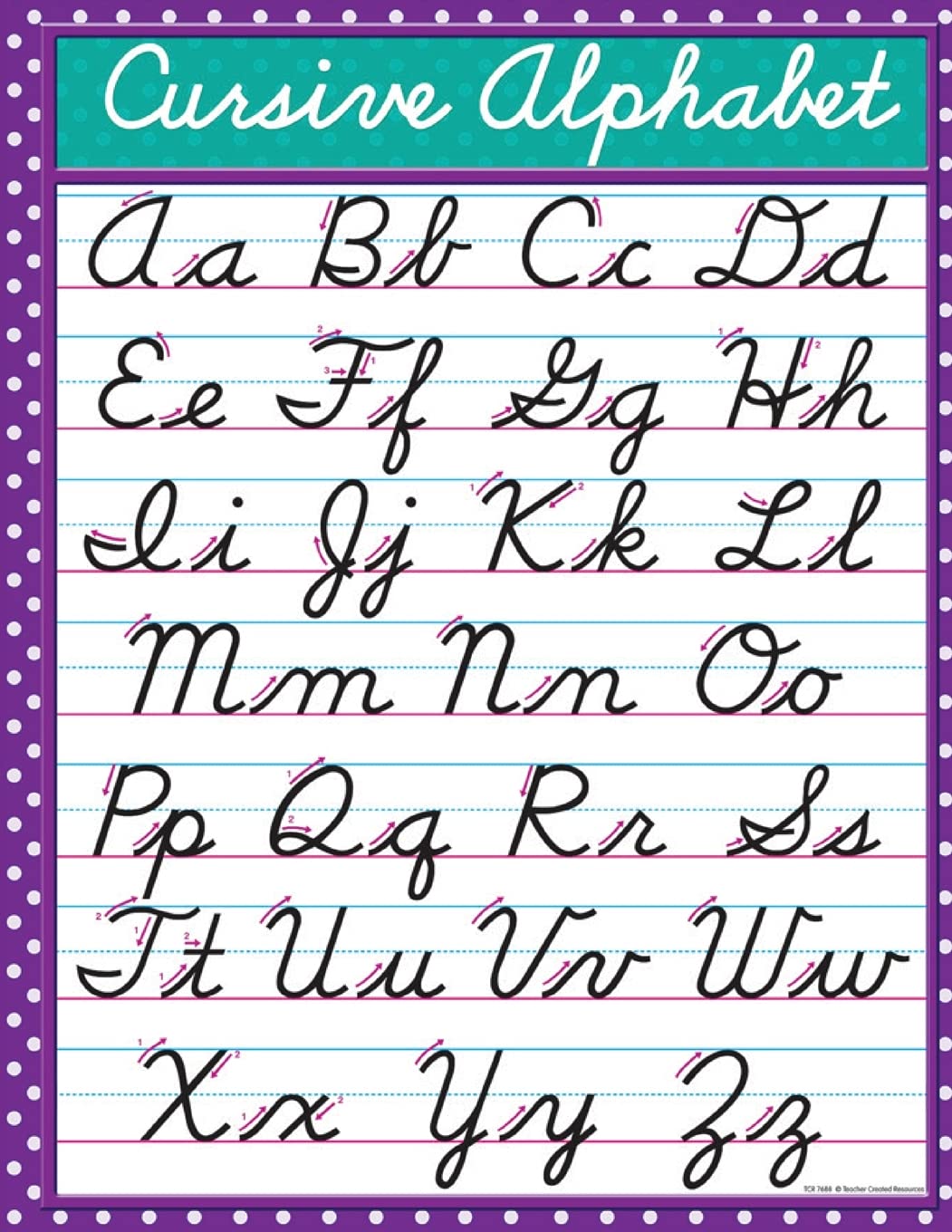
f looks like dashed ſ or ʃ, who are s and š,
but sometimes F looks like dashed T,
which links S and T telling that they probably
were the same letter.
"this" and "that" could be that 𓏏 changing form. both could be basically "the"
is thought taught? No, Thought is S and thus here. Taught is T and thus there.
(сие сейчас (сей в сейчас это и есть сие)) разника как меж sit and stand (stand is твёрже (т твердо))
("твердо" буквально название буквы т)
("слово" буквально название буквы с[s])
("слово" буквально название буквы с[s])
S~T because S turns into D in latin: lapis ~ lapides, lapidem
то, что пизда ~ писька, говорит насколько едины c&d
Und wenn du lange in einen Abgrund blickst, blickt der Abgrund auch in dich hinein.
And if you gaze long into an abyss, the abyss also gazes into you.
abgrund is off-ground
abyss is a-byss, in which that byss is a cognate of base the bottom (base~butt ~ s~t)
a- (ἀ-): The Greek prefix
meaning "no", "not", or "without" (the alpha privative). You
see this same prefix in words like a-theist (no god) or
a-morphous (no shape).
byss (βυσσός / byssos): An ancient Greek word
meaning "bottom", "deep", or "depth of the sea".ette ~ esse
bachelorette duchesse
Though that's french spelling, in english it's duchess, thus ette ~ ess (thus глсн лшн)
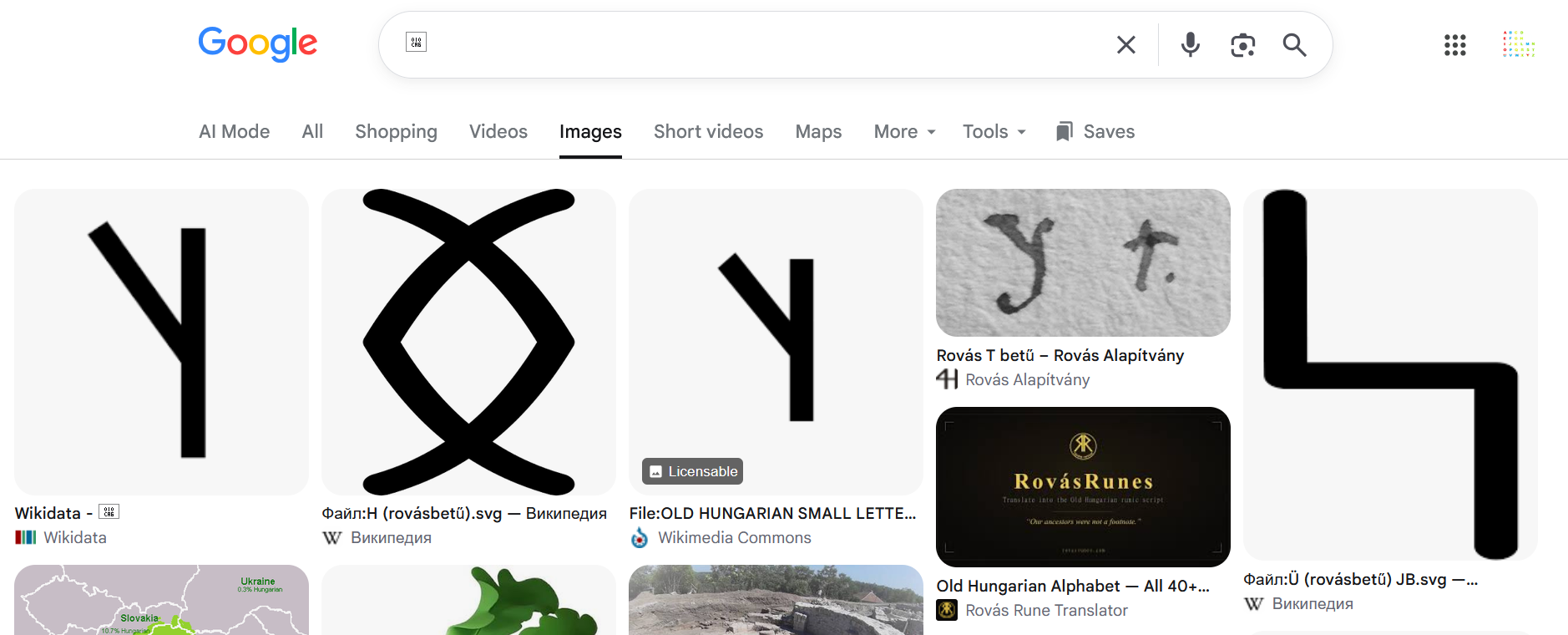
though, it could be me catching a malignant webpage, confusing people jumping out with every rare hungarian rune. Here it jumped out for completely different rova:
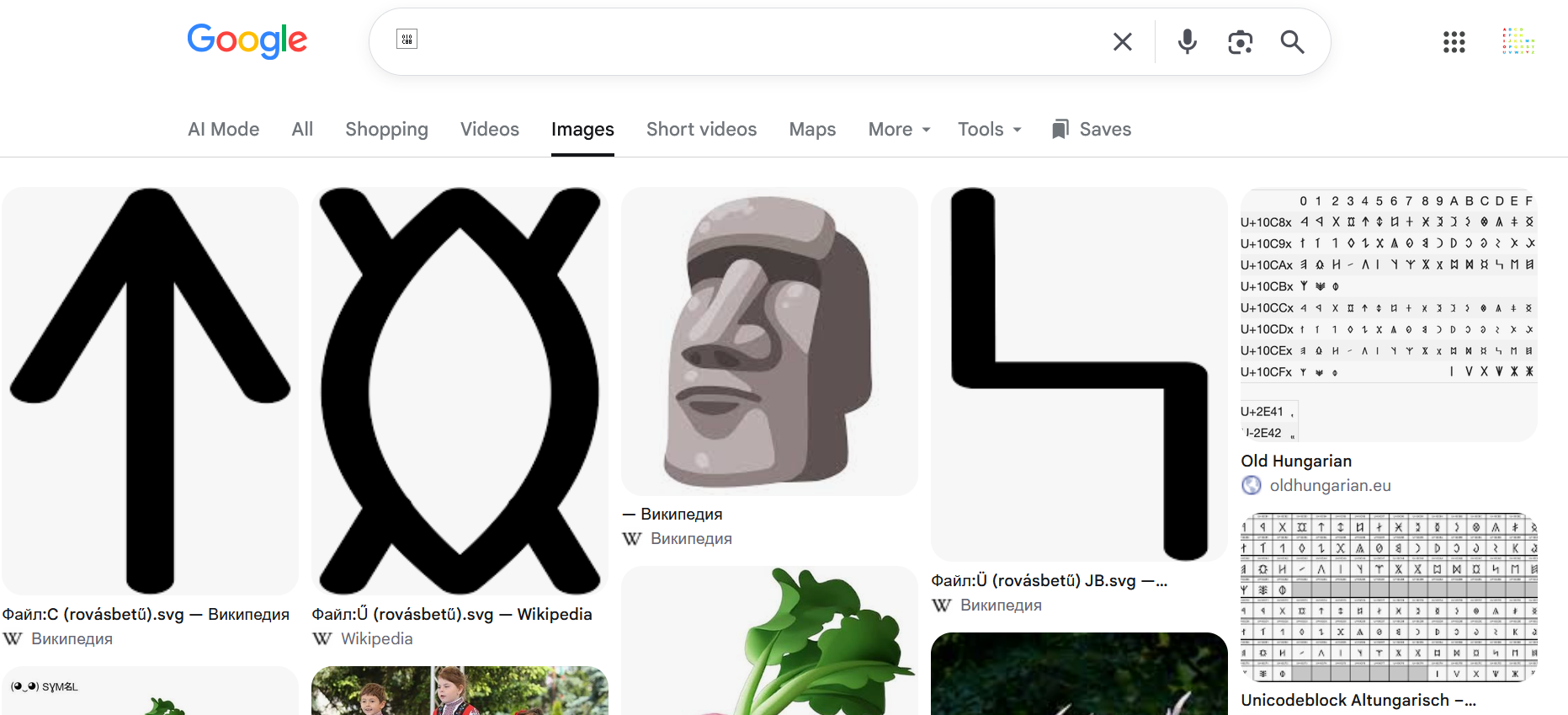
matter ~ mass
(matta ~ massa)
.
.